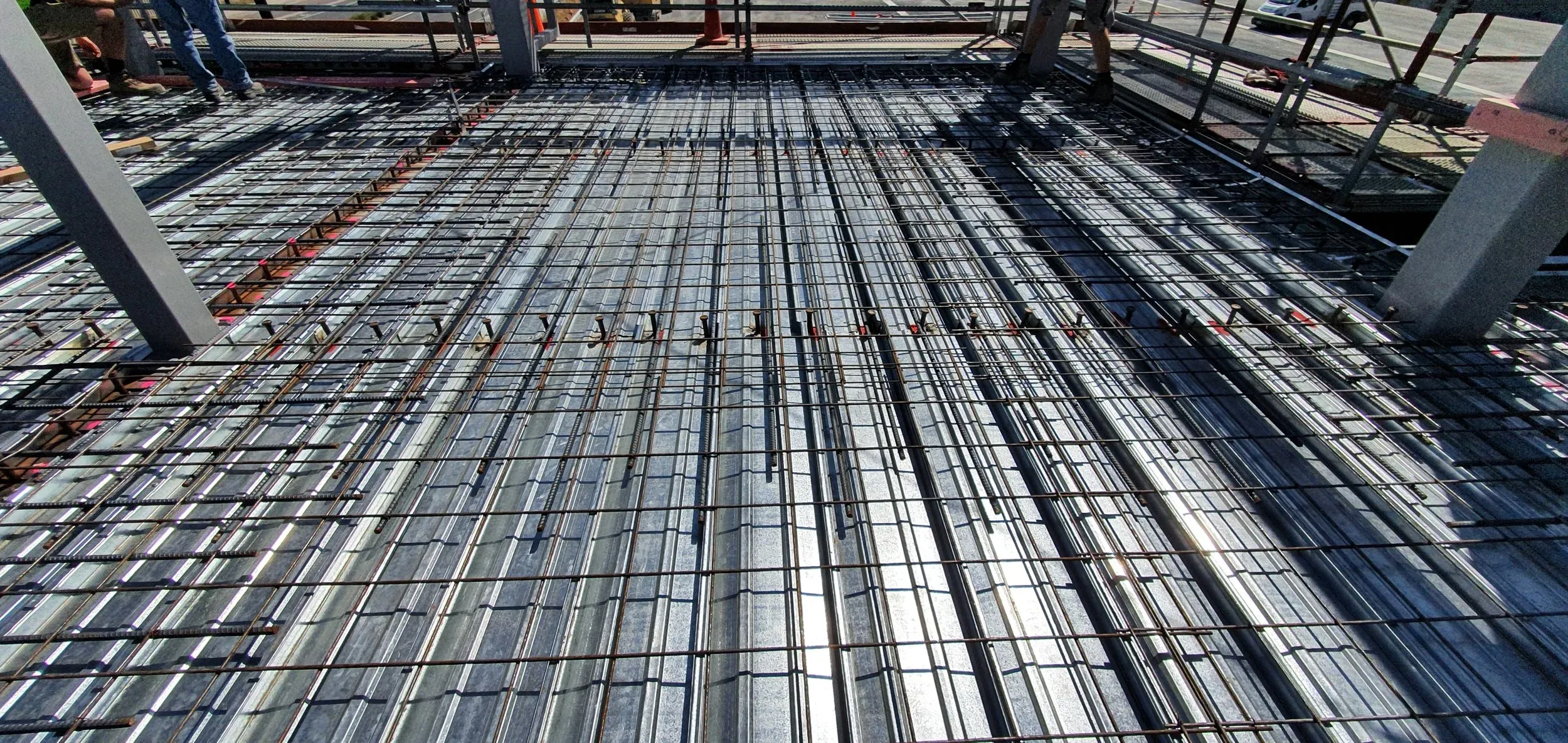

In the world of construction and structural engineering, few elements are as crucial as beams. These horizontal structural members play a vital role in supporting loads and transferring weight safely to columns, walls, and foundations. Whether in residential homes, commercial buildings, or large-scale infrastructure, the concept of Beam design is fundamental to ensuring stability, durability, and safety.
Understanding how beams function and how engineers design them provides valuable insight into the backbone of any structure. From selecting materials to calculating load capacity, the process is both a science and an art.
Understanding the Basics of Structural Beams
Beams are structural elements designed to withstand loads primarily through bending. They support floors, roofs, and ceilings, and help distribute loads evenly across a structure. The effectiveness of a beam depends on its material, shape, size, and placement.
Common types of beams include simply supported beams, cantilever beams, fixed beams, and continuous beams. Each type is suited for specific applications and load conditions. For example, cantilever beams are often used in balconies, while continuous beams are common in bridges and multi-span structures.
The Importance of Beam Design in Construction
Proper Beam design ensures that a structure can handle both expected and unexpected loads without failure. Engineers must consider several factors, including dead loads (permanent weight), live loads (temporary forces like people or furniture), and environmental loads such as wind or earthquakes.
A poorly designed beam can lead to excessive deflection, cracking, or even structural collapse. On the other hand, an efficient design not only ensures safety but also optimizes material usage, reducing construction costs.
Key Factors Influencing Beam Design
Several critical elements influence how a beam is designed:
- Material Selection: Steel, reinforced concrete, and timber are commonly used. Each material has unique properties such as strength, flexibility, and durability.
- Load Calculations: Engineers must accurately determine the magnitude and type of loads the beam will carry.
- Span Length: The distance between supports directly affects the size and strength required for the beam.
- Cross-Section Shape: I-beams, rectangular beams, and T-beams each offer different advantages in terms of strength and efficiency.
- Safety Factors: Engineers incorporate safety margins to account for uncertainties in load predictions and material behavior.
Modern Techniques and Innovations
With advancements in technology, beam design has become more precise and efficient. Computer-aided design (CAD) software and structural analysis tools allow engineers to simulate load conditions and optimize beam configurations before construction begins.
Additionally, modern materials such as high-strength concrete and composite beams have expanded design possibilities. These innovations enable the construction of taller buildings, longer bridges, and more complex architectural forms.
Sustainability is also becoming a major focus. Engineers now aim to design beams that use fewer materials while maintaining strength, reducing the environmental impact of construction projects.
Common Challenges in Beam Design
Despite technological progress, engineers still face several challenges:
- Balancing Strength and Cost: Stronger beams often require more material, increasing costs.
- Space Constraints: Limited space can restrict beam size, requiring creative design solutions.
- Environmental Conditions: Extreme weather, temperature changes, and seismic activity can impact beam performance.
- Construction Limitations: Practical issues during construction, such as transportation and installation, must also be considered.
Overcoming these challenges requires a deep understanding of structural principles and careful planning.
The Future of Beam Design
As the construction industry evolves, beam design continues to advance with it. The integration of artificial intelligence and machine learning is expected to further enhance design accuracy and efficiency. Smart materials that adapt to changing loads and conditions may soon become part of mainstream construction.
Moreover, sustainable practices will drive innovation, encouraging the use of recycled materials and energy-efficient production methods. Engineers will continue to push the boundaries of what is possible, creating structures that are not only strong but also environmentally responsible.
Conclusion
Beam design is a cornerstone of structural engineering, combining technical knowledge with creative problem-solving. From ensuring safety to enabling architectural innovation, its importance cannot be overstated. As technology and materials continue to evolve, the future of beam design promises even greater efficiency, sustainability, and structural excellence.
By understanding the principles and challenges involved, we gain a deeper appreciation for the unseen elements that hold our world together—one beam at a time.






























Sign in to leave a comment.