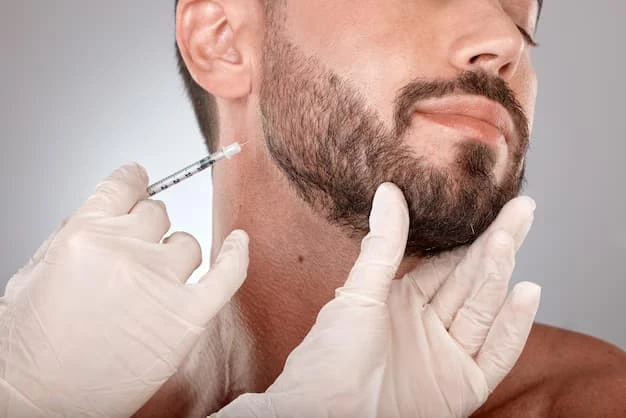
Facial hair plays a significant role in shaping personal style and enhancing facial features. Many individuals who struggle with patchy growth or uneven density often seek long term solutions to achieve a fuller appearance. Modern cosmetic procedures now offer effective options, and a beard hair transplant has become one of the most reliable methods for restoring natural facial hair. This procedure involves transferring healthy follicles from a donor area to the beard region, allowing individuals to achieve thicker, more defined facial hair that complements their facial structure.
The popularity of this procedure continues to grow as more individuals prioritize grooming and appearance. Specialists carefully design beard patterns to suit facial proportions, ensuring natural and balanced results. With advanced techniques and improved technology, patients experience minimal discomfort and faster healing. Over time, transplanted follicles grow naturally and blend seamlessly with existing facial hair. This gradual transformation allows individuals to enjoy long lasting results while maintaining a natural appearance that enhances overall confidence.
How the Procedure Works
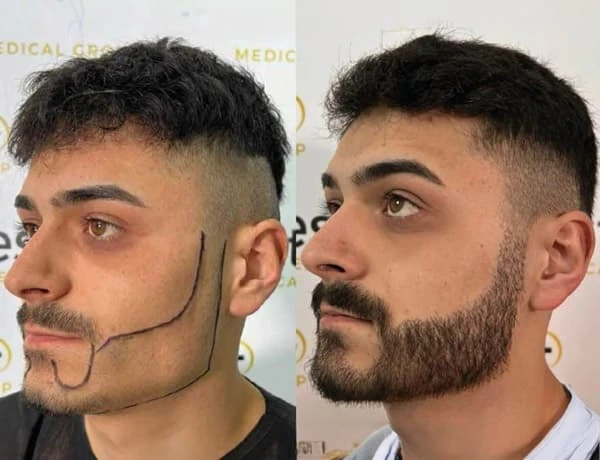
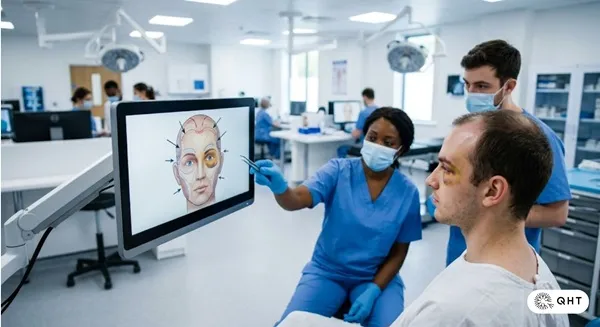
A beard hair transplant typically begins with a consultation where specialists assess facial hair patterns, skin condition, and donor hair availability. During this stage, the practitioner designs a beard shape that aligns with the patient’s preferences and facial features. Once the plan is finalized, hair follicles are carefully extracted from the donor area, usually located at the back of the scalp. This area is chosen because the hair closely matches beard texture, ensuring natural looking results after transplantation.
After extraction, each follicle is meticulously implanted into the beard area at precise angles and depths. This careful placement helps mimic natural hair growth patterns and ensures consistent density. The process requires expertise and attention to detail, as proper alignment influences the final outcome. Following the procedure, the transplanted follicles settle into place and gradually begin to grow, creating a fuller beard that looks natural and complements facial features.
Benefits of Beard Hair Transplant
One of the primary advantages of a beard hair transplant is the permanence of the results. Unlike temporary solutions such as topical treatments or cosmetic fillers, transplanted hair continues to grow naturally over time. This allows individuals to trim, shave, and style their beard as desired. The long lasting nature of the procedure makes it a popular choice for those seeking a dependable solution for patchy or thin facial hair.
Another benefit lies in the customization offered by modern techniques. Specialists tailor each procedure to match facial contours and personal preferences. This personalized approach helps create balanced and aesthetically pleasing results. Patients also appreciate the minimally invasive nature of the treatment, which typically involves minimal scarring and downtime. These advantages contribute to increased satisfaction and growing demand for this advanced facial hair restoration solution.
Who Is an Ideal Candidate
Individuals who experience uneven beard growth, scars, or naturally thin facial hair are often ideal candidates for this procedure. Genetics play a major role in beard density, and some individuals may never achieve their desired look naturally. A beard hair transplant offers a reliable alternative for those who want to enhance their facial hair and improve overall appearance. The procedure can also help individuals who have lost facial hair due to injury or previous cosmetic treatments.
Suitable candidates typically have sufficient donor hair and realistic expectations about the results. A thorough consultation helps determine the most appropriate approach for each individual. Factors such as hair texture, skin condition, and overall health are carefully evaluated before treatment. This personalized assessment ensures optimal outcomes and helps individuals achieve a natural looking beard that enhances their facial features.
Recovery and Expected Results
Recovery after a beard hair transplant is generally straightforward, with most individuals experiencing mild redness or swelling that subsides within a few days. Patients are usually advised to follow simple aftercare instructions to support healing and protect the transplanted follicles. Within the first few weeks, some shedding may occur, which is a normal part of the growth cycle. This temporary phase is followed by gradual regrowth as new hair begins to emerge.
Visible improvements typically appear within three to four months, with continued growth over the following months. Full results are often achieved within nine to twelve months, depending on individual factors. The newly transplanted hair grows naturally and blends seamlessly with existing facial hair. Over time, individuals can groom and style their beard freely, enjoying long lasting results that enhance their overall appearance and confidence.
Conclusion
Achieving a fuller and well defined beard is now more accessible thanks to modern cosmetic advancements. A beard hair transplant provides a permanent and natural looking solution for individuals struggling with patchy or thin facial hair. With careful planning, advanced techniques, and professional expertise, patients can achieve results that complement their facial features. The procedure offers long term benefits, making it a preferred option for individuals seeking lasting improvement in facial hair density.
As awareness continues to grow, more individuals are exploring this innovative treatment to enhance their appearance and confidence. From consultation to recovery, the process focuses on comfort, safety, and natural results. Those considering facial hair restoration can confidently explore this advanced solution and benefit from professional guidance and expertise available through Este Hair Transplant.



























Sign in to leave a comment.