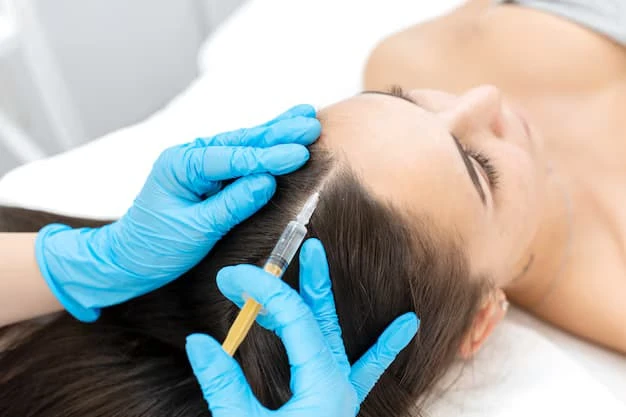
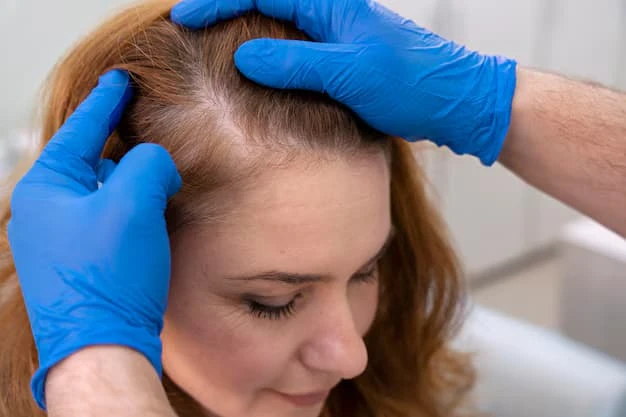
Hair loss in women is a growing concern that affects confidence, appearance, and emotional well being. Unlike male pattern baldness, female hair loss often appears as overall thinning rather than complete bald patches. In recent years, advanced medical solutions have made it possible to restore hair effectively, and among these solutions, the female hair transplant has gained significant popularity. This procedure offers a long term solution for women struggling with persistent hair thinning and loss. With evolving techniques and better understanding, it has become a safe and reliable option for many individuals.
Understanding Hair Loss in Women
Common Causes of Female Hair Loss
Hair loss in women can occur due to a wide range of factors, both internal and external. Hormonal imbalances, especially during pregnancy, menopause, or conditions like PCOS, often play a significant role. Additionally, nutritional deficiencies, particularly lack of iron, protein, and vitamins, can weaken hair follicles over time. Stress and lifestyle habits also contribute to hair thinning, making it a multifactorial condition that requires proper diagnosis.
Genetic predisposition is another leading cause, commonly referred to as female pattern hair loss. This condition gradually reduces hair density, mainly at the crown and top of the scalp. Medical conditions such as thyroid disorders and autoimmune diseases can also trigger hair loss. Understanding the root cause is essential before considering any treatment, as it helps determine the most effective approach for restoration.
Psychological Impact of Hair Loss
Hair is often associated with beauty and identity, especially for women, making hair loss emotionally distressing. Many women experience a decline in self esteem and confidence when they notice excessive shedding or thinning. Social interactions and personal relationships may also be affected due to increased self consciousness.
Over time, untreated hair loss can lead to anxiety and even depression in severe cases. This emotional burden highlights the importance of addressing hair loss not only from a medical perspective but also from a psychological standpoint. Seeking timely treatment can significantly improve both physical appearance and mental well being.
What is a Female Hair Transplant
Overview of the Procedure
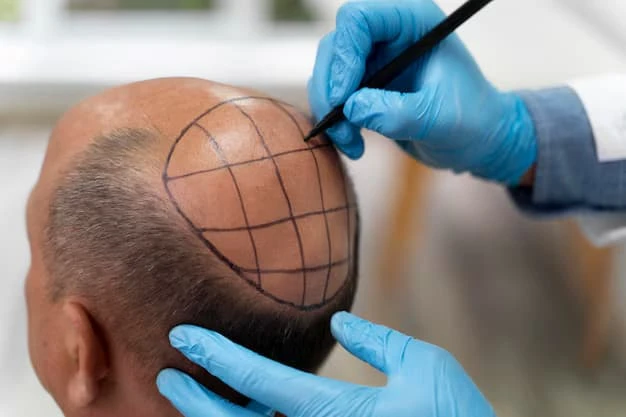
A female hair transplant is a cosmetic surgical procedure that involves transferring healthy hair follicles from one part of the scalp to areas experiencing thinning or hair loss. Typically, the donor area is located at the back or sides of the scalp where hair is more resistant to shedding. The transplanted follicles continue to grow naturally in their new location.
The procedure is performed under local anesthesia and is generally considered safe when done by experienced professionals. It is designed to provide a natural looking result, blending seamlessly with existing hair. Modern advancements have made the process minimally invasive with faster recovery times and improved outcomes.
Techniques Used in Hair Transplantation
There are two primary techniques used in female hair transplant procedures. The first is Follicular Unit Transplantation, which involves removing a strip of scalp and dissecting it into individual grafts. The second is Follicular Unit Extraction, where individual hair follicles are extracted directly from the donor area.
Both methods have their advantages, and the choice depends on the patient’s condition and desired results. Follicular Unit Extraction is more popular due to its minimally invasive nature and reduced scarring. However, a thorough consultation is necessary to determine the most suitable technique for each individual.
Who is an Ideal Candidate
Factors That Determine Eligibility
Not all women experiencing hair loss are ideal candidates for a hair transplant. The procedure works best for individuals with stable hair loss and sufficient donor hair. Women with localized thinning or receding hairlines are more likely to benefit from this treatment.
Those suffering from temporary hair loss due to stress or medical conditions may not require surgical intervention. Instead, addressing the underlying issue often restores hair growth naturally. A detailed scalp analysis and medical evaluation are essential before proceeding with the procedure.
Conditions That May Limit Suitability
Certain conditions may affect the success of a hair transplant. Diffuse hair thinning across the entire scalp can make it challenging to identify a strong donor area. Additionally, active scalp infections or uncontrolled medical conditions may delay or prevent the procedure.
Women with unrealistic expectations should also be guided carefully to understand the achievable results. A clear understanding of the process helps ensure satisfaction and avoids disappointment after the treatment.
The Procedure Step by Step
Pre Procedure Preparation
Before undergoing a female hair transplant, patients typically undergo a comprehensive consultation. During this stage, the surgeon evaluates hair loss patterns, donor area density, and overall scalp health. Blood tests and medical history reviews may also be conducted to ensure safety.
Patients are usually advised to avoid certain medications and maintain a healthy lifestyle leading up to the procedure. Proper preparation helps minimize risks and enhances the overall success of the transplant.
During the Procedure
On the day of the procedure, local anesthesia is administered to ensure comfort throughout the process. The surgeon carefully extracts hair follicles from the donor area and prepares them for implantation. Each follicle is then placed strategically in the recipient area to achieve a natural look.
The entire procedure can take several hours depending on the number of grafts required. Patients remain awake but relaxed, and most experience minimal discomfort during the process.
Post Procedure Care
After the procedure, patients receive detailed instructions on how to care for their scalp. Mild swelling and redness are common but usually subside within a few days. It is important to avoid touching or scratching the treated area to prevent complications.
Hair washing routines and medications are prescribed to support healing and promote growth. Following post operative guidelines closely plays a crucial role in achieving optimal results.
Expected Results and Recovery
Timeline of Hair Growth
Hair growth after a female hair transplant does not happen immediately. Initially, the transplanted hair may shed within a few weeks, which is a normal part of the process. New hair growth typically begins within three to four months.
By six months, noticeable improvements can be seen, with fuller results appearing around nine to twelve months. The final outcome is natural looking hair that continues to grow like normal hair.
Long Term Benefits
One of the major advantages of a hair transplant is its long lasting results. Since the transplanted follicles are resistant to hair loss, they continue to grow for years. This makes it a cost effective solution compared to temporary treatments.
Patients often experience a significant boost in confidence and overall satisfaction with their appearance. The natural integration of transplanted hair ensures that results are discreet and aesthetically pleasing.
Risks and Considerations
Possible Side Effects
Like any surgical procedure, a female hair transplant carries some risks. These may include mild swelling, temporary numbness, or minor scarring. In rare cases, infection or poor graft survival may occur.
However, choosing a qualified and experienced surgeon greatly reduces these risks. Proper aftercare and adherence to medical advice further ensure a smooth recovery process.
Managing Expectations
It is important for patients to have realistic expectations before undergoing the procedure. While a hair transplant can significantly improve hair density, it may not restore the original thickness completely.
Understanding the limitations and potential outcomes helps in making an informed decision. Clear communication with the surgeon ensures that expectations align with achievable results.
Alternative Treatments to Consider
Non Surgical Options
Before opting for surgery, many women explore non surgical treatments for hair loss. These may include topical medications, oral supplements, and laser therapy. Such treatments can slow down hair loss and improve hair quality.
However, these options often require continuous use and may not provide permanent results. They are usually recommended for early stages of hair thinning.
Combination Approaches
In some cases, combining non surgical treatments with a hair transplant can enhance overall results. This approach helps maintain existing hair while improving density in thinning areas.
A personalized treatment plan ensures that patients receive the best possible outcome based on their specific condition and goals.
Conclusion
Female hair loss is a complex issue that requires a comprehensive approach for effective treatment. A female hair transplant offers a reliable and long term solution for women experiencing persistent hair thinning and loss. With advanced techniques and proper care, the procedure can deliver natural and satisfying results that significantly improve confidence and quality of life. For those considering this option, seeking expert guidance from a trusted provider like Este Hair Transplant can make a meaningful difference in achieving the desired outcome.
























Sign in to leave a comment.