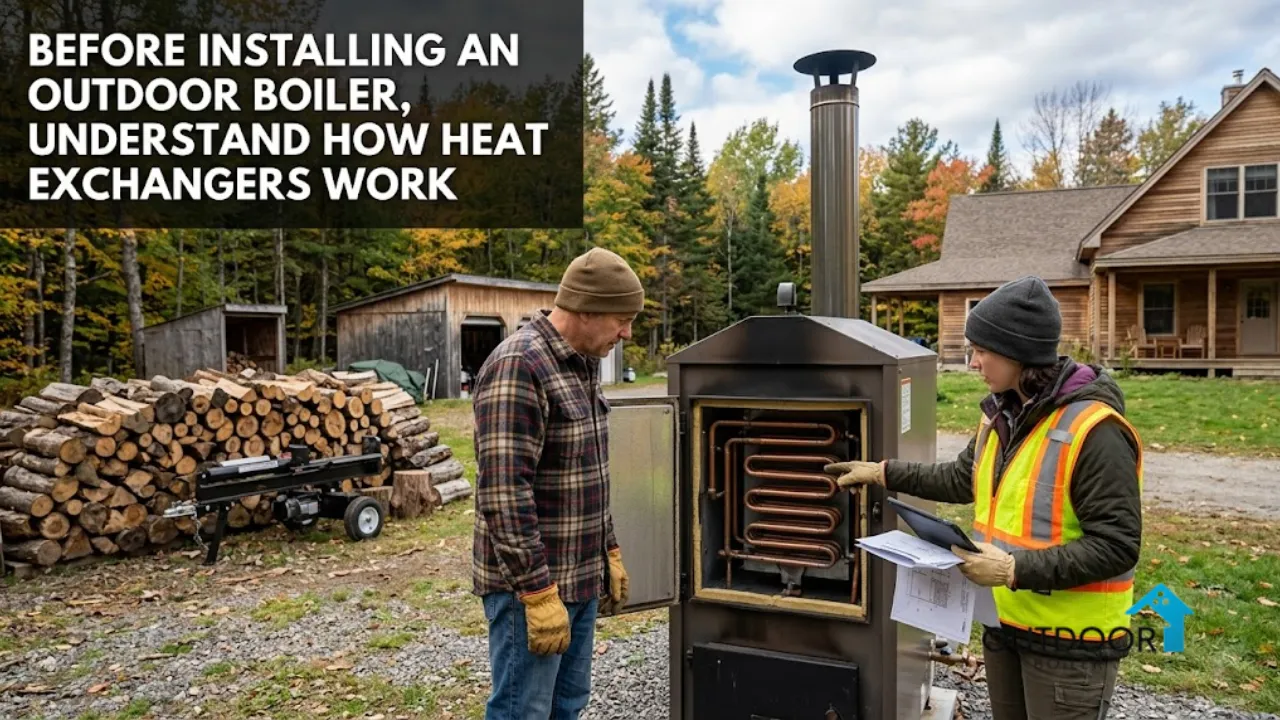


A heat exchanger is one of the most important components in an outdoor boiler system because it transfers heat from the boiler water to your home’s heating system without mixing the two water supplies. Understanding how it works can help you make better decisions when planning an outdoor heating setup.
When people think about installing an outdoor boiler, they often focus on the boiler itself, fuel source, or heating capacity. However, one component that plays a major role in system performance is the heat exchanger. It acts as the connection between the heat produced by the boiler and the areas that need warmth, making it an essential part of the overall heating process.
Whether you are researching outdoor boiler options for your home, workshop, or other buildings, learning how heat exchangers work can help you understand how heat moves through the system and why choosing the right type matters.
What Is a Heat Exchanger?
A heat exchanger is a device designed to transfer heat from one fluid to another without allowing the fluids to mix. In an outdoor boiler system, heated water from the boiler flows through the heat exchanger, where the energy is transferred to another water or air system that provides heat inside the building.
According to the U.S. Department of Energy, heat exchangers are commonly used in heating, ventilation, and air conditioning systems because they allow efficient heat transfer between different fluids or air streams.
The main purpose of a heat exchanger is to move heat efficiently while keeping separate systems isolated. This allows an outdoor boiler to work with different heating applications, such as radiant floor heating, forced-air systems, and domestic hot water systems.
How Does a Heat Exchanger Work With an Outdoor Boiler?
An outdoor boiler typically heats water outside the building. That heated water is then circulated through insulated underground pipes into the building where the heat needs to be delivered.
The heat exchanger receives the hot boiler water and transfers that heat into another system. The process generally works like this:
- The outdoor boiler heats water using a fuel source.
- A pump circulates the heated water through underground piping.
- The hot water enters the heat exchanger.
- Heat transfers through metal plates or coils into another water or air system.
- The heating system distributes warmth throughout the building.
The two fluids remain separated while heat moves between them. This separation helps protect the indoor heating system from contaminants and allows different heating systems to work together.
Why Is a Heat Exchanger Important in an Outdoor Boiler System?
A properly selected heat exchanger helps improve the efficiency and flexibility of an outdoor boiler system. It allows homeowners to connect their boiler to different types of heating equipment without replacing their existing indoor system.
Some important benefits include:
1. Efficient Heat Transfer
Heat exchangers are designed to maximize the movement of thermal energy. Their construction allows heat to pass efficiently between systems while minimizing energy loss.
2. System Protection
An outdoor boiler may operate with water that contains different minerals or treatment chemicals. A heat exchanger keeps the boiler water separate from the water circulating inside your home’s heating system.
3. Multiple Heating Applications
A single outdoor boiler can support different heating needs when paired with the right heat exchanger. These applications may include:
• Radiant floor heating
• Baseboard heating
• Forced air heating systems
• Domestic hot water systems
• Garages, workshops, and other buildings
Types of Heat Exchangers Used With Outdoor Boilers
Different heating setups require different types of heat exchangers. Understanding the available options can help you determine what type fits your needs.
Water-to-Water Heat Exchangers
A water-to-water heat exchanger transfers heat between two separate water systems. It is commonly used when connecting an outdoor boiler to radiant heating systems, existing boilers, or domestic hot water applications.
A plate heat exchanger is one example of this design. It uses multiple thin plates to create a large surface area where heat can transfer between the two water circuits.
Learn more about how these systems work with a water-to-water heat exchanger designed for boiler applications.
Water to Air Heat Exchangers
A water-to-air heat exchanger transfers heat from hot boiler water into air. This type is often installed inside forced-air furnaces or air handlers.
The process is similar to how a traditional furnace warms air, except the heat source comes from the outdoor boiler instead of burning fuel inside the building.
For homeowners using existing ductwork, a water-to-air heat exchanger can be an effective way to connect an outdoor boiler system.
Unit Heater Heat Exchangers
Unit heater systems use heated water from the boiler to warm air that is circulated throughout a space. These are commonly used for larger areas such as garages, workshops, agricultural buildings, and commercial spaces.
The right choice depends on factors such as building size, heating requirements, and how the space is used.
Factors to Consider When Choosing a Heat Exchanger
Selecting a heat exchanger is not only about choosing the largest option available. Several factors influence how well it will perform.
Heating Capacity
The heat exchanger must be properly sized based on the amount of heat your building requires. An undersized unit may struggle to transfer enough heat, while an oversized system may not operate efficiently.
Type of Heating System
Consider what you are connecting to your outdoor boiler. A radiant floor system, forced-air furnace, and hot-water system may require different heat exchanger designs.
Flow Rate
Water movement affects heat transfer. The pumps, piping size, and system design all influence how efficiently heat moves through the exchanger.
Installation Design
Proper installation plays an important role in performance. Pipe layout, insulation, and system maintenance can affect the long-term efficiency of the heating system.
Common Mistakes to Avoid When Installing an Outdoor Boiler Heat Exchanger
Many heating problems are not caused by the boiler itself but by incorrect system design or installation choices.
Some common mistakes include:
• Choosing a heat exchanger that is too small for the heating demand
• Ignoring water flow requirements
• Using incorrect piping sizes
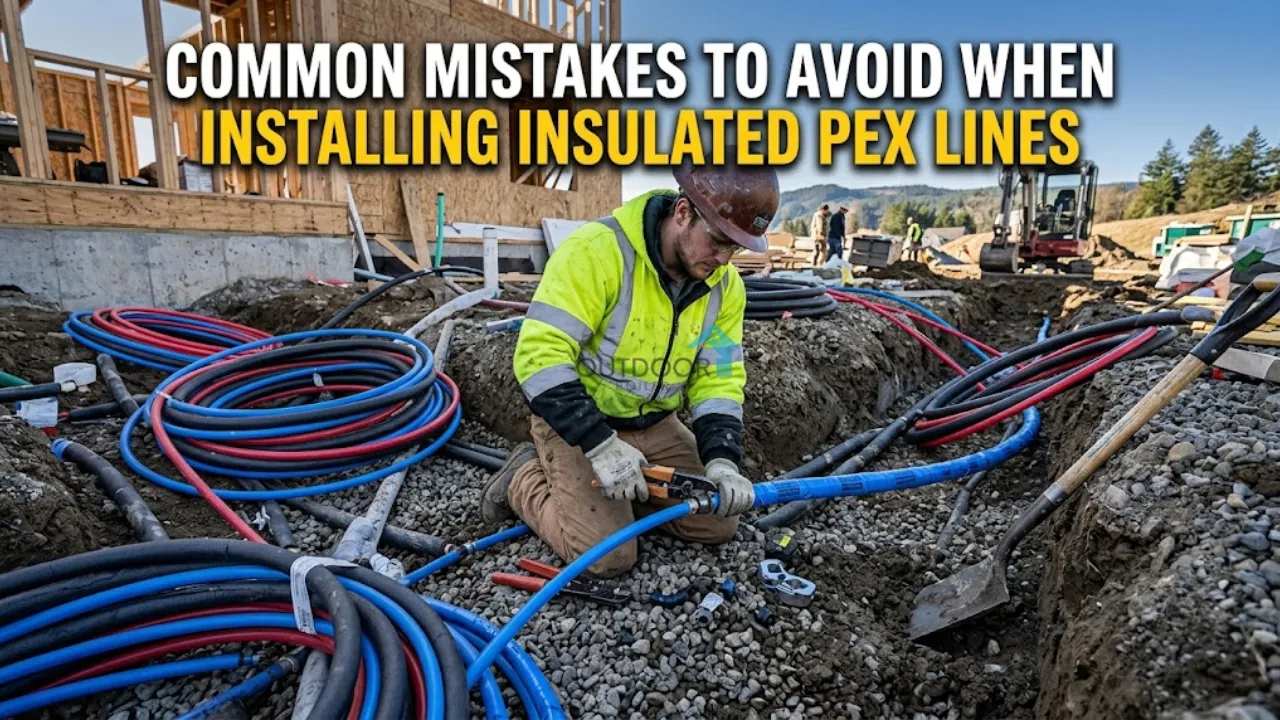
• Failing to properly insulate underground lines
• Not considering future heating needs
Taking time to understand the entire system before installation can help prevent costly adjustments later.
How to Maintain a Heat Exchanger
Regular maintenance helps keep a heat exchanger operating efficiently. Maintenance requirements depend on the system design, but common practices include:
• Checking for leaks
• Monitoring system pressure
• Inspecting connections and fittings
• Cleaning components when needed
• Following manufacturer recommendations
A well-maintained system can provide reliable heat transfer for years.
Frequently Asked Questions
What does a heat exchanger do in an outdoor boiler system?
A heat exchanger transfers heat from the outdoor boiler water to another heating system while keeping the two water circuits separate.
Do all outdoor boilers need a heat exchanger?
Most outdoor boiler systems use a heat exchanger when connecting to indoor heating systems because it allows heat transfer without mixing different water supplies.
How long does a heat exchanger last?
The lifespan depends on the material, water quality, maintenance, and operating conditions. Proper installation and regular inspections can help extend its service life.
Can one outdoor boiler heat multiple buildings?
Yes. With the correct system design and properly sized components, an outdoor boiler can provide heat to multiple buildings.
What type of heat exchanger do I need for my outdoor boiler?
The right type depends on your heating system, building requirements, and how you plan to use the heat. Water-to-water and water-to-air heat exchangers are common choices for different applications.
Understanding Your Heating System Before Installation
An outdoor boiler is more than just a heat source. It is a complete heating system where each component plays an important role. The heat exchanger helps transfer energy efficiently, protects connected systems, and allows an outdoor boiler to support different heating applications.
Before making an installation decision, take time to understand how each part works together, especially the heat exchanger that connects your boiler to your indoor heating needs.
If you are exploring options or need guidance in selecting the right heat exchanger for your system, contact us to discuss your heating requirements and find the right solution for your application.





















Sign in to leave a comment.