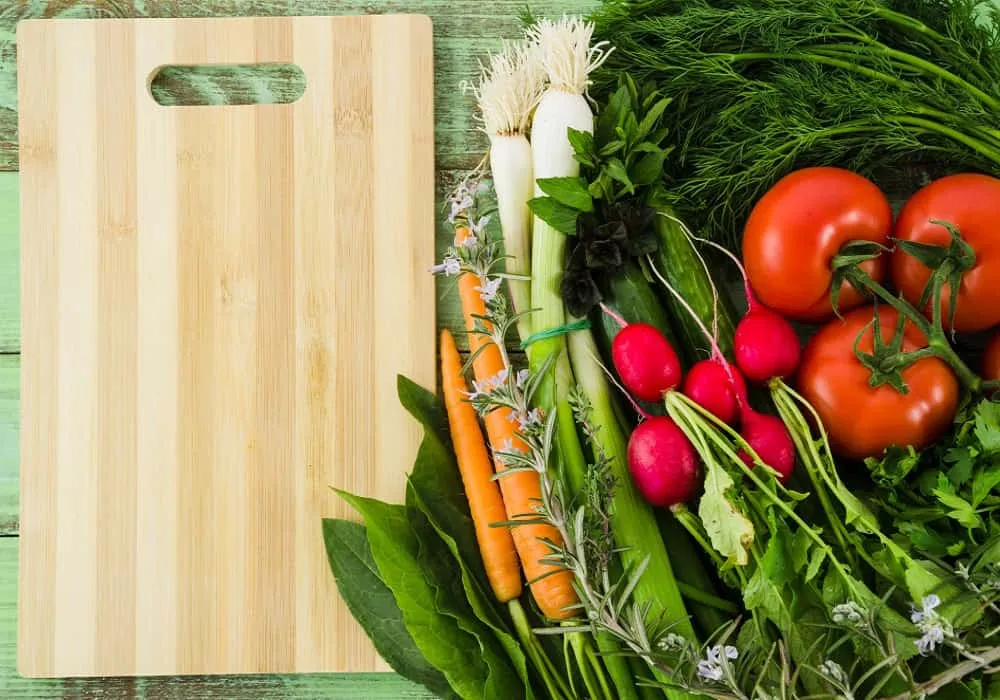

Starting a kitchen garden at home is one of the best ways to enjoy fresh, healthy, and chemical-free food. In India, where weather conditions vary from place to place, growing vegetables at home has become a popular trend among families. Whether you live in an apartment or a house with a backyard, you can easily grow your own food with the right knowledge.
In this guide, we will explore kitchen garden vegetables in India, how to grow them, and simple tips to help you start your gardening journey successfully.
Why Kitchen Gardening is Becoming Popular in India
Kitchen gardening is not just a hobby anymore. It has become a lifestyle choice for many Indian households. People want fresh vegetables that are free from harmful chemicals and pesticides.
Another reason is cost saving. Growing vegetables at home reduces monthly grocery expenses. It also ensures that you always have fresh produce available whenever needed.
Most importantly, gardening brings peace and happiness. Even a small balcony garden can reduce stress and improve mental well-being. That is why more people are exploring kitchen garden vegetables in India for daily use.
Best Kitchen Garden Vegetables in India for Beginners
If you are just starting, it is important to choose easy-to-grow vegetables. These plants require less maintenance and grow quickly.
Spinach is one of the easiest vegetables to grow in India. It grows fast and can be harvested multiple times. Tomatoes are another popular choice that grows well in pots and containers.
Chilies, coriander, and mint are also perfect for small spaces. They grow well in Indian weather conditions and do not need much care.
Radish and beans are also excellent options for beginners. These vegetables are commonly included in kitchen garden vegetables in India because they give quick and healthy results.
Choosing the Right Space for Your Kitchen Garden
You don’t need a large garden to grow vegetables. A balcony, terrace, or even a sunny window is enough.
Most vegetables need at least 4 to 6 hours of sunlight daily. So, choose a spot where sunlight is available. Proper airflow is also important for plant health.
Even in small apartments, you can grow kitchen garden vegetables in India using pots, containers, or vertical garden setups.
Soil and Containers for Healthy Growth
Good soil is the foundation of a successful garden. Always use nutrient-rich soil mixed with organic compost. This helps plants grow faster and healthier.
Make sure your pots or containers have drainage holes. This allows excess water to flow out and prevents root damage.
You can also reuse old buckets, bottles, or containers for planting. This makes your kitchen gardening setup budget-friendly and eco-friendly.
Watering and Plant Care Tips
Watering is very important in gardening. However, overwatering can damage plants, so it should be done carefully.
Always check the soil before watering. If it feels dry, then add water. Early morning or evening is the best time to water plants in India.
Regular care like removing dry leaves and checking plant health helps improve growth. These simple habits are important for maintaining kitchen garden vegetables in India.
Natural Fertilizers for Better Results
Instead of chemical fertilizers, use natural options like compost, cow dung manure, or kitchen waste compost.
These fertilizers improve soil quality and make vegetables healthier and safer to eat.
Using natural methods also helps the environment and supports sustainable gardening practices.
Seasonal Vegetables You Can Grow in India
India has different seasons, and each season supports different types of vegetables.
In summer, you can grow okra, chilies, and tomatoes. During monsoon, leafy vegetables like spinach grow well. In winter, carrots, peas, and cabbage are great options.
Understanding seasons helps you grow better kitchen garden vegetables in India throughout the year.
Common Problems and Simple Solutions
Beginners may face issues like pests, yellow leaves, or slow plant growth. These problems are normal in gardening.
You can solve most issues by regular monitoring and care. Remove damaged leaves and keep plants clean.
Using natural pest control methods like neem oil can also help protect your plants.
Benefits of Growing Kitchen Garden Vegetables in India
One of the biggest benefits is health. Fresh vegetables are full of nutrients and free from harmful chemicals.
It also helps save money and reduces dependency on market vegetables.
Gardening improves mental health by reducing stress and increasing happiness. It also helps children learn about nature and responsibility.
Overall, growing kitchen garden vegetables in India is a simple way to live a healthier and more sustainable life.
How to Start Your Kitchen Garden Easily
Starting is very simple. Begin with a few pots and easy vegetables like spinach, coriander, and tomatoes.
Place them in a sunny area and water them regularly. Use good soil and natural fertilizers for best results.
As you gain experience, you can expand your garden and try more vegetables.
If you want to learn more practical ideas, you can explore home gardening tips for beginners to improve your results step by step.
Conclusion
Kitchen gardening is a simple and rewarding activity that anyone can start at home. It provides fresh food, improves health, and brings peace of mind.
With the right planning and care, growing kitchen garden vegetables in India becomes easy and enjoyable. Even small spaces can turn into productive green areas.
Start small, stay consistent, and enjoy the journey of growing your own food naturally.
FAQs
1. What are the best kitchen garden vegetables in India for beginners
Spinach, tomatoes, coriander, mint, and chilies are the easiest vegetables to grow.
2. Can I grow vegetables in small apartments
Yes, you can use pots, containers, or balcony space for gardening.
3. How much sunlight do kitchen garden vegetables need
Most vegetables need at least 4 to 6 hours of sunlight daily.
4. What is the best soil for kitchen gardening
Nutrient-rich soil mixed with organic compost works best.
5. How often should I water kitchen garden plants
Water only when the soil feels dry, usually once a day or as needed.



























Sign in to leave a comment.