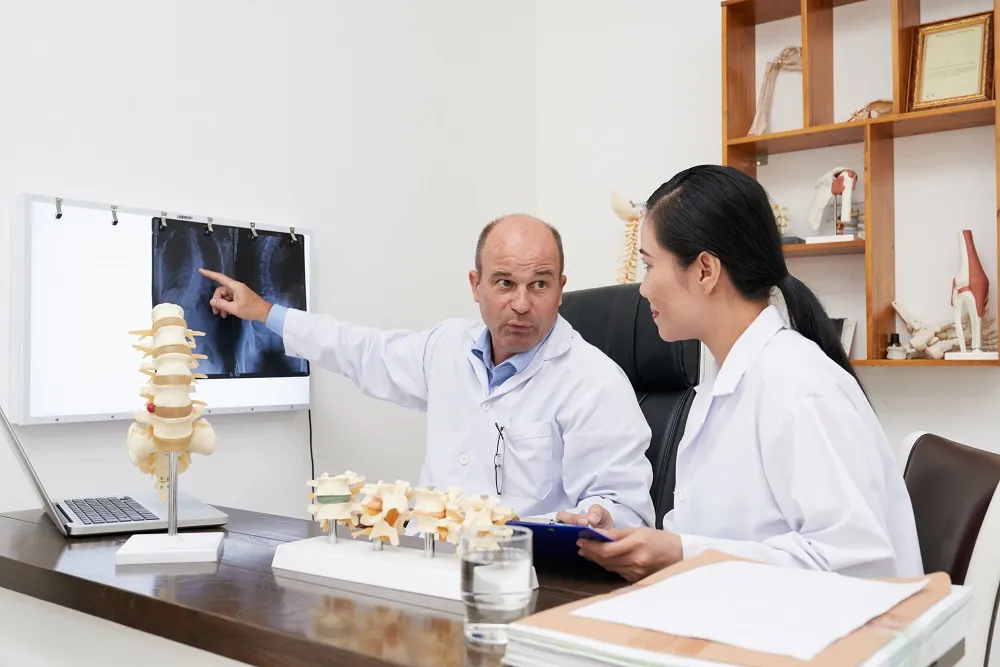

Back and neck pain can significantly affect daily life, limiting mobility, productivity, and overall well being. When conservative treatments fail to provide relief, surgical intervention may become necessary. Among modern surgical options, artificial disc replacement has gained attention for its ability to preserve motion while addressing damaged spinal discs. This advanced procedure is often recommended for carefully selected patients seeking an alternative to traditional spinal fusion. Understanding both the advantages and potential drawbacks of this treatment can help individuals make informed decisions about their spinal health and long term recovery.
Understanding Artificial Disc Replacement
What Is Artificial Disc Replacement?
Artificial disc replacement is a surgical procedure designed to remove a damaged or degenerated spinal disc and replace it with a specially designed artificial device. The goal is to restore normal disc function, maintain spinal movement, and reduce pain caused by disc degeneration. This procedure is commonly performed in the cervical spine, which is the neck region, and in some cases within the lumbar spine, which refers to the lower back. By preserving motion, the surgery aims to support a more natural spinal structure after treatment.
Why Disc Degeneration Occurs
Spinal discs act as cushions between the vertebrae, helping absorb shock and allowing flexibility. Over time, aging, repetitive stress, injuries, and genetic factors can contribute to disc degeneration. As discs wear down, they may lose height, become less flexible, and create pressure on nearby nerves. This can result in chronic pain, numbness, weakness, and restricted movement. When symptoms persist despite physical therapy, medications, and other conservative approaches, surgical treatment options may be considered to improve quality of life.
How the Procedure Works
Surgical Process
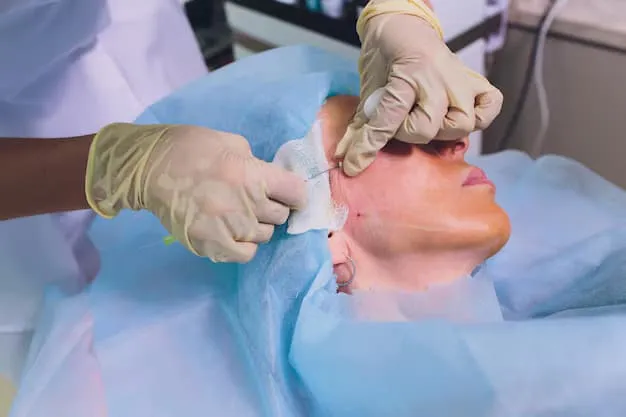
During artificial disc replacement surgery, the damaged disc is carefully removed while preserving surrounding structures. Once the disc space is prepared, the artificial disc is positioned between the vertebrae. The implant is designed to mimic the movement and function of a healthy natural disc. The surgery is typically performed under general anesthesia and requires careful planning to ensure proper placement. Modern imaging and surgical techniques help improve accuracy and support favorable outcomes for appropriately selected patients.
Recovery After Surgery
Recovery varies depending on the individual, overall health, and the location of the surgery. Many patients begin walking shortly after the procedure and gradually return to daily activities under medical guidance. Physical therapy is often recommended to improve strength, flexibility, and mobility. Recovery timelines can differ, but many individuals experience noticeable improvements in pain and function within weeks or months. Following postoperative instructions plays an important role in achieving successful long term results.
Key Benefits of Artificial Disc Replacement
Preservation of Natural Motion
One of the most significant benefits of artificial disc replacement is the preservation of spinal motion. Unlike fusion surgery, which permanently joins vertebrae together, artificial discs allow continued movement at the treated level. Maintaining natural motion can contribute to improved flexibility and a more normal range of movement. This advantage is especially important for individuals who wish to remain active and maintain functional mobility in their daily lives and recreational activities.
Reduced Stress on Adjacent Discs
When spinal segments are fused, neighboring discs may experience increased mechanical stress due to altered movement patterns. Over time, this additional strain can contribute to degeneration in adjacent segments. Artificial disc replacement helps maintain more natural biomechanics, potentially reducing the risk of excessive stress on nearby discs. Preserving movement at the treated level may help support overall spinal health and minimize the likelihood of future complications involving surrounding spinal structures.
Faster Return to Activities
Many patients appreciate the possibility of a quicker return to normal activities following artificial disc replacement. Because motion is preserved and spinal stability is maintained through the implant, some individuals experience a smoother recovery process compared to fusion procedures. While recovery varies among patients, many can resume work, exercise, and daily tasks relatively sooner. Appropriate rehabilitation and adherence to medical recommendations remain essential for achieving the best possible outcomes during the recovery period.
Improved Quality of Life
Chronic spinal pain can affect nearly every aspect of a person's life, including work performance, sleep quality, and emotional well being. Successful artificial disc replacement may significantly reduce pain and improve physical function. Patients often report greater comfort, increased mobility, and enhanced participation in activities they previously found difficult. These improvements can contribute to a better overall quality of life and greater independence in personal and professional responsibilities.
Maintenance of Spinal Alignment
Proper spinal alignment plays a critical role in maintaining comfort and function. Artificial disc replacement is designed to restore disc height and support the natural spacing between vertebrae. This restoration can help improve posture, reduce nerve compression, and maintain balanced spinal mechanics. By supporting normal alignment, the procedure may contribute to improved movement patterns and help reduce symptoms associated with degenerative disc conditions that affect everyday activities.
Potential Risks of Artificial Disc Replacement
Surgical Complications
Like any surgical procedure, artificial disc replacement carries certain risks. Potential complications can include infection, bleeding, adverse reactions to anesthesia, and injury to nearby tissues. Although these complications are relatively uncommon when performed by experienced specialists, they remain important considerations. Thorough preoperative evaluation and careful surgical planning help minimize risks and improve patient safety throughout the treatment process and recovery period.
Implant Related Issues
Artificial discs are designed to be durable and long lasting, but implant related problems can occasionally occur. In rare cases, the implant may shift, wear down, or fail to function as intended. Such situations could require additional monitoring or corrective procedures. Advances in implant technology have improved reliability and performance, yet patients should understand that no medical device is completely free from potential complications over time.
Persistent or Recurrent Symptoms
While many individuals experience significant relief after surgery, outcomes can vary. Some patients may continue to experience pain, stiffness, or neurological symptoms even after the procedure. Persistent symptoms may result from factors unrelated to the treated disc, such as underlying spinal conditions or nerve damage that existed before surgery. Comprehensive evaluation and realistic expectations are important components of the decision making process when considering surgical treatment.
Nerve or Tissue Injury
The spine contains delicate nerves, blood vessels, and surrounding tissues that require careful handling during surgery. Although uncommon, injury to these structures can occur and may lead to temporary or permanent symptoms. Potential effects include numbness, weakness, or changes in sensation. Advances in surgical techniques and imaging technologies have helped reduce these risks, but they remain important considerations when evaluating treatment options.
Need for Future Surgery
Artificial disc replacement is intended to provide long term benefits, but some patients may eventually require additional procedures. Factors such as implant wear, progression of spinal degeneration, or unexpected complications can contribute to the need for future intervention. While many patients enjoy lasting results, understanding the possibility of additional treatment helps establish realistic expectations and supports informed decision making before undergoing surgery.
Who May Be a Good Candidate?
Ideal Patient Characteristics
Not every patient with spinal pain is an appropriate candidate for artificial disc replacement. Generally, the procedure is considered for individuals with symptomatic disc degeneration affecting one or a limited number of spinal levels. Candidates often have persistent symptoms that have not responded to conservative treatment measures. Good overall health, adequate bone quality, and the absence of significant spinal instability are factors that may contribute to successful outcomes.
Conditions That May Limit Eligibility
Certain medical conditions may make artificial disc replacement less suitable for some patients. Severe osteoporosis, advanced arthritis, spinal deformities, infections, or extensive degeneration involving multiple levels can affect candidacy. Additionally, patients with specific anatomical considerations may be better served by alternative surgical approaches. A comprehensive evaluation by a qualified spine specialist is essential to determine whether this procedure aligns with an individual's unique medical circumstances.
Comparing Artificial Disc Replacement and Spinal Fusion
Differences in Motion Preservation
The most notable distinction between artificial disc replacement and spinal fusion is the preservation of movement. Fusion eliminates motion at the treated segment by permanently joining vertebrae together. In contrast, artificial disc replacement seeks to maintain natural movement through the implanted device. This difference can influence flexibility, spinal mechanics, and overall function after surgery. Understanding these distinctions helps patients evaluate which treatment approach may best meet their goals and lifestyle needs.
Long Term Considerations
Both procedures have demonstrated effectiveness for appropriately selected patients, but long term considerations may differ. Artificial disc replacement offers the potential advantage of preserving motion and reducing stress on adjacent levels. Fusion remains a valuable treatment option for many complex spinal conditions. The choice between procedures depends on factors such as diagnosis, anatomy, symptom severity, and surgeon recommendations. Personalized treatment planning remains essential for achieving optimal outcomes.
Conclusion
Artificial disc replacement has emerged as an important surgical option for individuals experiencing chronic pain caused by degenerative spinal disc conditions. By preserving motion, supporting spinal alignment, and potentially reducing stress on adjacent segments, the procedure offers several meaningful advantages. At the same time, patients should carefully consider potential risks, including surgical complications, implant related concerns, and the possibility of future treatment. A thorough evaluation and informed discussion with a qualified specialist can help determine whether this approach is appropriate. For those exploring advanced spine care options, Robert Louis MD can provide professional guidance and expertise regarding treatment decisions and long term spinal health.
























Sign in to leave a comment.