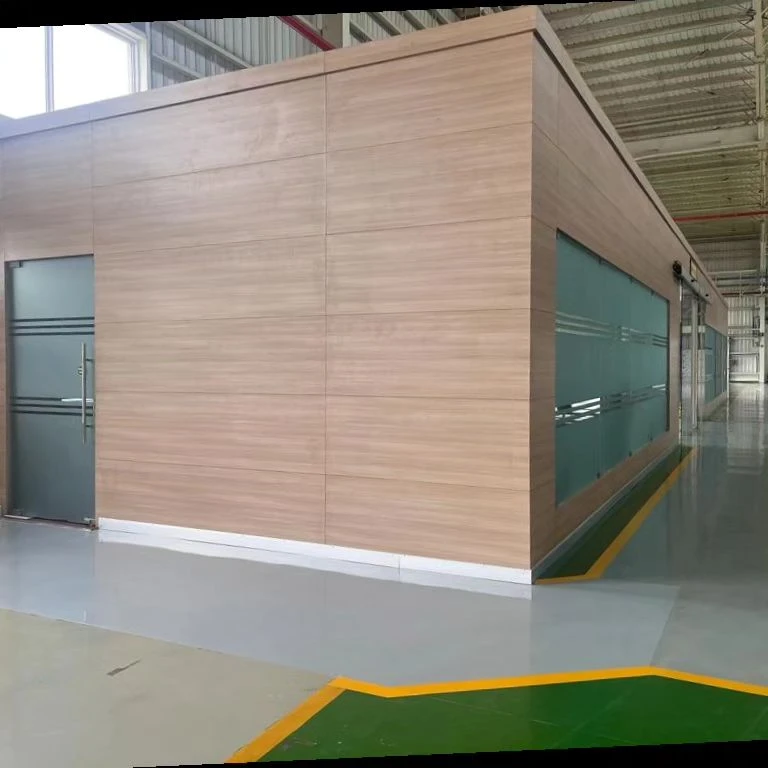

Top Benefits of Prefabricated Structures
Prefabricated structures, often referred to as prefab or modular construction, have been gaining widespread popularity in the construction industry. These structures are created by assembling individual components or modules in a factory setting, and they offer numerous advantages over traditional on-site construction methods. In this blog, we'll delve into the key benefits of prefabricated structures, supported by examples and statistics.
Benefits of Prefabricated Structures
Speed of ConstructionOne of the most significant advantages of prefabricated structures is the speed of construction. Since the components are manufactured in a controlled factory environment, work on the building site can occur simultaneously. This results in faster project completion. For instance, a study by the [Modular Building Institute](https://www.modular.org/) found that modular construction can be up to 50% faster than traditional construction methods.
Cost EfficiencyPrefabricated structures often lead to cost savings. With streamlined manufacturing processes, reduced material waste, and quicker construction, overall project costs are typically lower. For example, the UK government reported a 30% cost reduction in healthcare facilities using off-site construction methods, which includes prefab structures.
Quality ControlThe controlled factory environment in which prefab components are produced allows for rigorous quality control. This leads to consistently higher quality structures. As an example, the construction of [One World Trade Center's](https://www.onewtc.com/) structural components, which were prefabricated, exemplified this quality control, ensuring the strength and precision needed for such a prominent structure.
Environmental BenefitsPrefabricated construction is more environmentally friendly than traditional construction. The reduction in material waste, energy consumption, and construction site pollution contribute to a smaller carbon footprint. One study by the [Building Research & Information](https://www.tandfonline.com/toc/rbri20/current) journal found that modular construction produced 67% less waste than traditional construction.
Design FlexibilityContrary to the misconception that prefab structures are monotonous, they offer design flexibility. Customization is possible in terms of size, layout, finishes, and architectural style. For instance, the [BoKlok](https://www.boklok.com/) housing concept, owned by IKEA and Skanska, offers a variety of home designs that can be tailored to individual preferences.
Energy EfficiencyMany prefab structures are designed with energy efficiency in mind. Modern materials and construction methods allow for better insulation and sealing. This is particularly important for sustainable and green building projects. The [Bee'ah Headquarters](https://beeah.ae/en) in the UAE, a LEED Platinum building, used prefabricated concrete panels for both aesthetic appeal and sustainability.
SafetySafety on the construction site is improved with prefabricated structures. Since most of the work is done in a controlled environment, exposure to risks such as adverse weather conditions is minimized. This is especially beneficial for large-scale projects like the [Forest City Ratner's B2 Atlantic Yards Tower](https://fcrc.com/) in Brooklyn, which used modular construction for enhanced worker safety.
Reduced DisruptionPrefabricated construction causes less disruption to the surrounding environment. This is particularly advantageous when building in urban or sensitive areas. The [Cheesegrater Building](https://www.cheesegraterldn.com/) in London, constructed with prefabricated components, minimized disruption to the city's busy financial district.
ConsistencyThe consistency in prefab manufacturing ensures that every module or component is identical. This is crucial for building large structures. Take, for example, the construction of hospitals. Companies like [Katerra](https://katerra.com/) specialize in prefab medical facilities, ensuring the exact replication of crucial healthcare spaces.
AdaptabilityPrefabricated structures are adaptable. They can be disassembled and relocated, making them suitable for temporary or semi-permanent applications. For instance, [McGregor Memorial Conference Center](https://detroit.curbed.com/2014/4/4/10129890/restoring-detroits-midcentury-marvel-um-s-conference-center) in Detroit was disassembled and moved to a new location, preserving its architectural heritage.
**11. Reduction in Site Disruption**
Traditional construction methods often bring significant disruptions to the surrounding areas. Large construction sites, heavy machinery, and material storage can disrupt the daily lives of nearby residents and businesses. Prefabricated structures, on the other hand, significantly reduce on-site disruption. The majority of construction activities occur within a factory, away from the project site. This is particularly advantageous when building in densely populated urban areas, where minimizing disturbances is essential.
Improved Site SafetyConstruction sites can be hazardous places. On-site accidents, injuries, and even fatalities are not uncommon in traditional construction. Prefabricated construction significantly improves site safety. Since many of the critical components are produced in a controlled factory setting, the exposure to risky on-site conditions is minimized. This enhanced safety aspect is particularly beneficial for large and complex projects. For example, the [Forest City Ratner's B2 Atlantic Yards Tower](https://fcrc.com/) in Brooklyn, which used modular construction, was able to enhance worker safety due to the reduced on-site work.
Versatility in ApplicationPrefabricated structures are highly versatile. They are used for a wide range of applications, from residential homes to commercial buildings and specialized structures like healthcare facilities and educational institutions. Their versatility is evident in housing solutions like [BoKlok](https://www.boklok.com/), a housing concept owned by IKEA and Skanska, which offers a variety of home designs that can be customized to meet individual preferences.
Scalability for Large ProjectsLarge-scale construction projects often require flexibility in design and execution. The scalability of prefabricated structures makes them ideal for such projects. They can be used for skyscrapers, bridges, stadiums, and more. This scalability was demonstrated with the construction of the [One World Trade Center](https://www.onewtc.com/), where many of the structural components were prefabricated, ensuring the precision and strength needed for such an iconic structure.
Conclusion
The benefits of prefabricated structures extend beyond cost efficiency and speed. They encompass environmental sustainability, safety, and adaptability, all while maintaining high-quality construction. As more industries recognize the advantages of prefab construction, its growth is likely to continue. This construction method is not merely a trend but a paradigm shift with enduring benefits that will shape the future of the industry.






















Sign in to leave a comment.