

Back pain is one of the most common health concerns affecting adults across all age groups. It can interfere with work, limit daily activities, and reduce overall quality of life. As people search for non invasive and drug free approaches to pain management, spinal decompression therapy has gained increasing attention. At the center of this therapy is the spinal decompression table, a specialized piece of equipment designed to gently stretch the spine and relieve pressure on spinal structures. Understanding how this table works and the benefits it offers can help individuals make informed decisions about their back health.
Understanding Back Pain and Its Causes
Back pain can arise from many different sources. Poor posture, repetitive movements, injuries, and age related changes in the spine all play a role. In many cases, the pain is linked to compression of the spinal discs and surrounding nerves.
Common Conditions Linked to Spinal Compression
Spinal compression often contributes to conditions such as disc bulges, disc herniation, degenerative disc changes, and sciatica. When discs are compressed, they may lose hydration and flexibility. This can lead to inflammation, nerve irritation, and persistent discomfort. A spinal decompression table is designed to address these issues by creating space within the spine.
The Impact of Chronic Back Pain on Daily Life
Chronic back pain can affect sleep, mobility, and mental well being. People may avoid physical activity out of fear of worsening their pain, which can lead to muscle weakness and further problems. Effective pain relief methods are essential not only for comfort but also for maintaining an active and healthy lifestyle.
What Is a Spinal Decompression Table
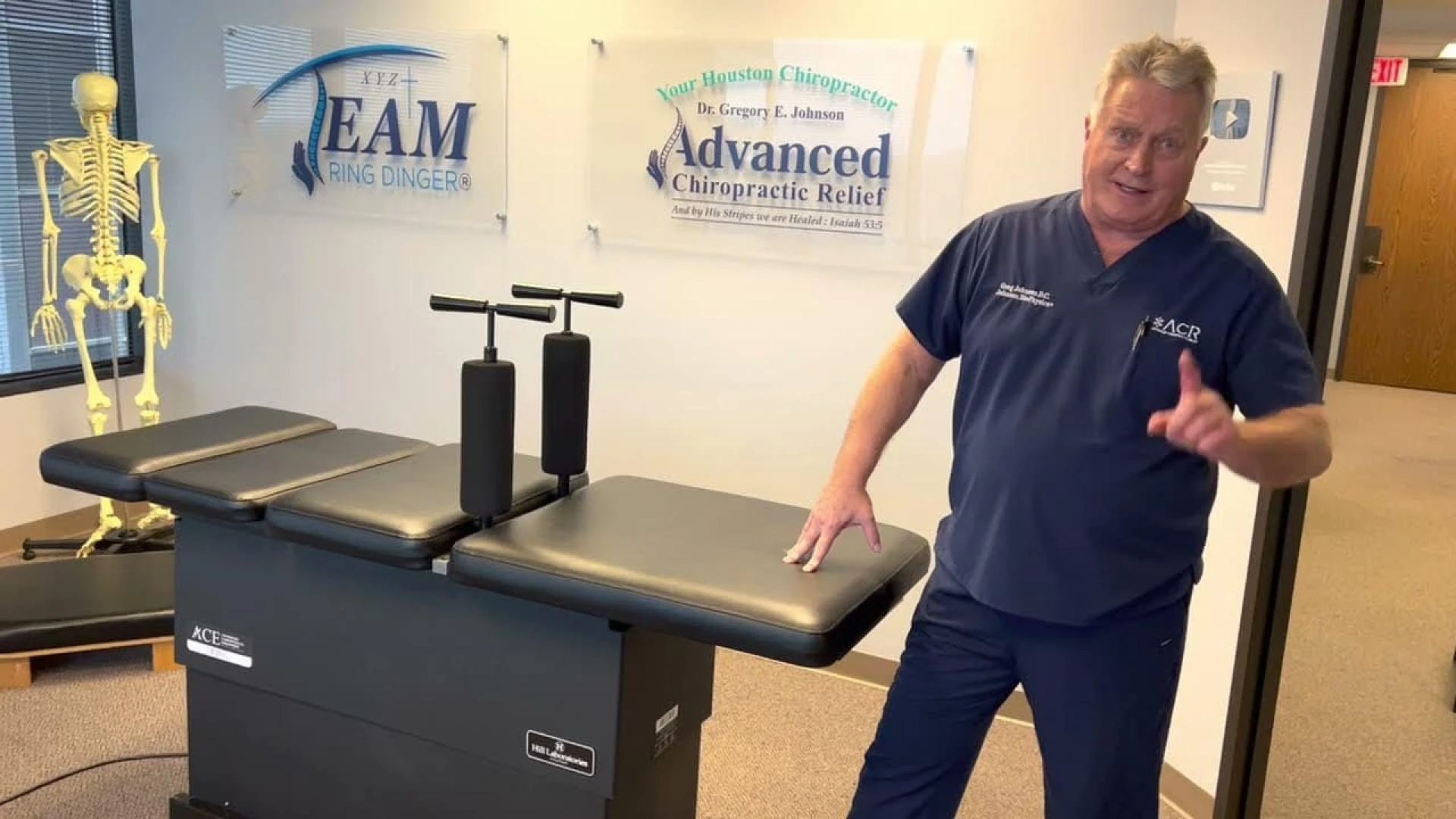
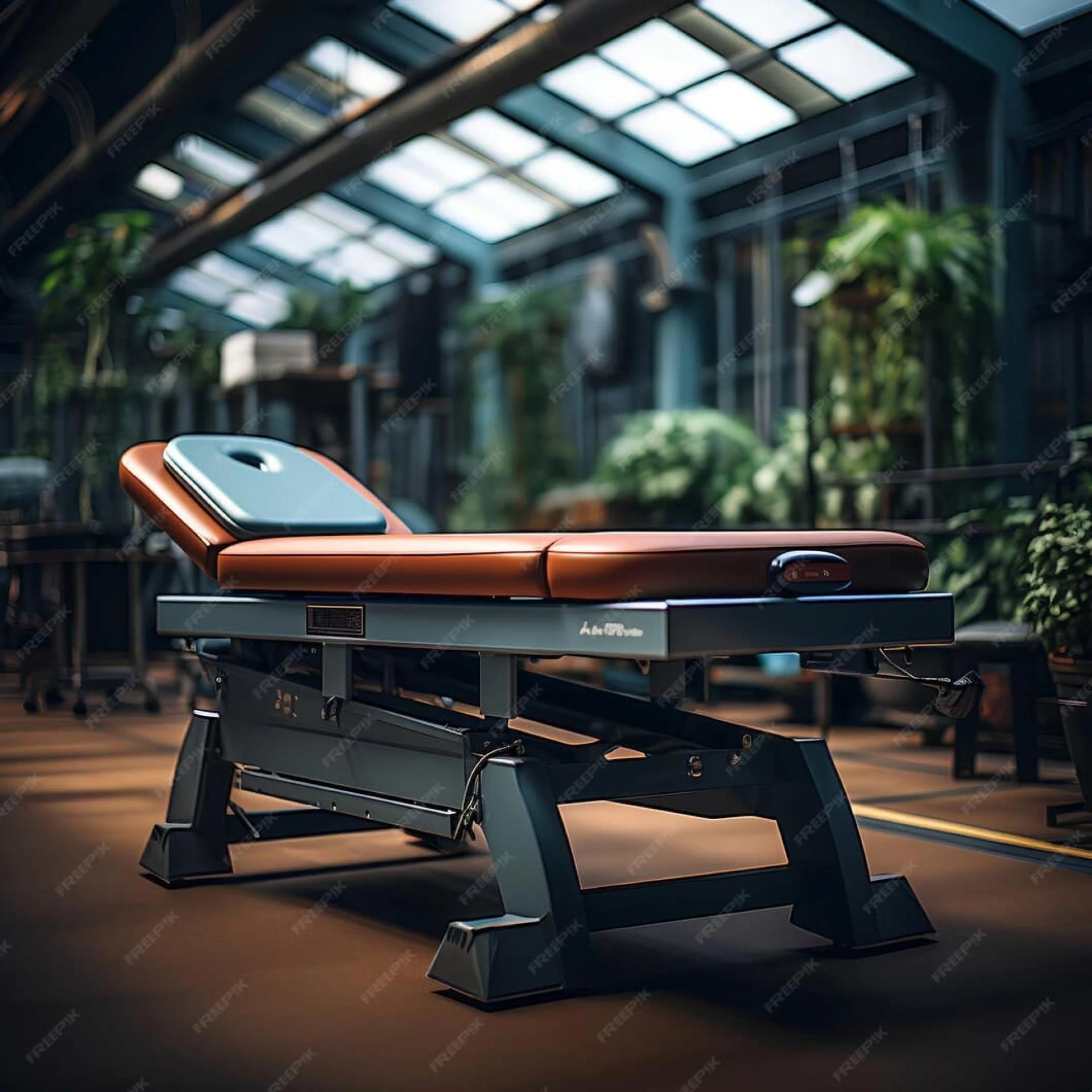
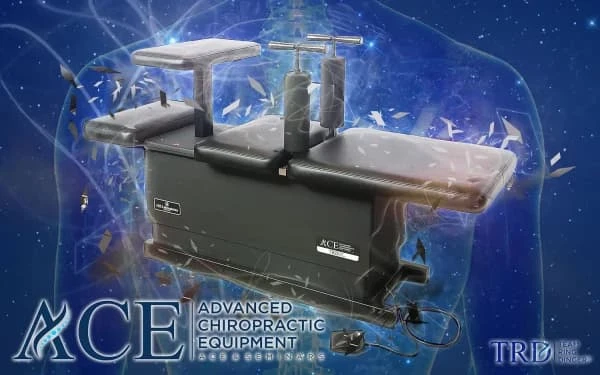
A spinal decompression table is a motorized table used during spinal decompression therapy. It allows controlled stretching of the spine in a precise and comfortable manner. Unlike simple traction methods, this table uses advanced technology to apply targeted force based on the needs of the individual.
How the Table Works During Therapy
During a session, the individual lies on the table while a harness is placed around the lower body or upper body depending on the area being treated. The table then gently separates and relaxes the spine in cycles. This process creates negative pressure within the discs, which may encourage the movement of fluids, nutrients, and oxygen back into the disc spaces.
Difference Between Decompression and Traditional Traction
Traditional traction often applies a constant pulling force, which can cause muscles to tighten in response. A spinal decompression table uses variable tension to prevent this muscle guarding response. This makes the therapy more comfortable and potentially more effective for relieving pressure on spinal structures.
How Spinal Decompression Tables Help Relieve Back Pain
The primary goal of spinal decompression therapy is to reduce pressure on the spine. By doing so, it can address the root causes of pain rather than simply masking symptoms.
Reducing Pressure on Spinal Discs
One of the main benefits of using a spinal decompression table is the reduction of pressure within the spinal discs. Lower pressure can help bulging or herniated discs retract slightly, reducing irritation of nearby nerves. This may lead to a noticeable decrease in pain over time.
Promoting Natural Healing Processes
When pressure is relieved, the spine is better able to receive essential nutrients and fluids. Improved circulation in the affected area supports the body natural healing mechanisms. This environment can aid in disc repair and overall spinal health.
Improving Spinal Alignment and Mobility
Gentle stretching of the spine can help improve alignment and flexibility. Better alignment reduces uneven stress on muscles and joints. Increased mobility allows individuals to move more freely and with less discomfort during daily activities.
Non Invasive and Drug Free Pain Management
Many people prefer to avoid surgery or long term medication when managing back pain. A spinal decompression table offers a conservative approach that aligns with these preferences.
Avoiding Surgical Risks
Surgery always carries risks such as infection, extended recovery time, and uncertain outcomes. Spinal decompression therapy is non invasive and does not require anesthesia or incisions. This makes it an appealing option for individuals who want to explore alternatives before considering surgical intervention.
Reducing Dependence on Pain Medication
Pain medications may provide temporary relief but often do not address the underlying cause of pain. Long term use can also lead to side effects or dependency. By targeting spinal compression directly, therapy using a spinal decompression table may reduce the need for ongoing medication.
Comfort and Customization During Treatment
Modern spinal decompression tables are designed with patient comfort in mind. Customization is a key factor in the success of the therapy.
Adjustable Settings for Individual Needs
Each person back pain is unique. A spinal decompression table allows practitioners to adjust force, angle, and duration based on the specific condition being treated. This individualized approach helps ensure that therapy is both safe and effective.
Relaxing Treatment Experience
Sessions are generally comfortable and may even feel relaxing for many individuals. The gentle motion of the table combined with controlled stretching can help reduce muscle tension. A calm and comfortable experience encourages consistency, which is important for achieving positive results.
Supporting Long Term Spinal Health
Beyond pain relief, spinal decompression tables can play a role in supporting long term spinal wellness. Consistent therapy may help prevent future issues related to spinal compression.
Encouraging Better Posture and Movement
As spinal alignment improves, individuals may notice better posture and movement patterns. Reduced pain allows for more natural movement, which helps strengthen supporting muscles. Over time, this can lead to improved stability and reduced risk of re injury.
Complementing Other Therapeutic Approaches
Spinal decompression therapy is often used alongside other conservative treatments such as therapeutic exercise, stretching, and lifestyle changes. When combined, these approaches can enhance overall outcomes and promote lasting spinal health.
Who May Benefit From a Spinal Decompression Table
While not everyone is a candidate, many individuals with certain types of back pain may benefit from this therapy.
Suitable Conditions for Decompression Therapy
People experiencing chronic lower back pain, neck pain, sciatica, or disc related issues may find relief through the use of a spinal decompression table. It is especially beneficial for those whose pain is linked to disc compression rather than fractures or severe instability.
Importance of Professional Evaluation
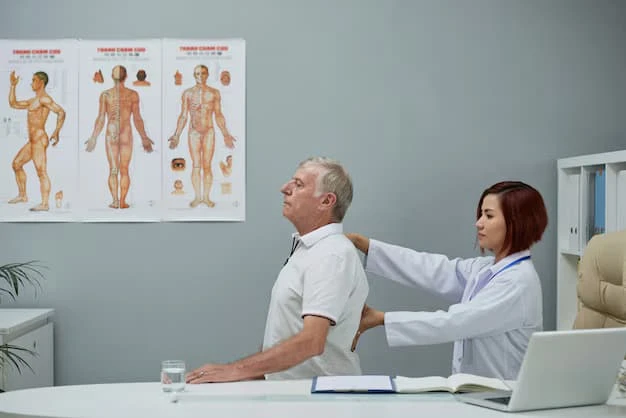
Before beginning therapy, a proper evaluation is essential. A trained professional can determine whether spinal decompression is appropriate based on medical history and current symptoms. This ensures safety and helps set realistic expectations for results.
The Role of Consistency and Treatment Plans
Like many therapeutic approaches, spinal decompression therapy works best when followed as part of a structured plan.
Gradual Improvement Over Time
Results are often cumulative. Some individuals may notice relief early, while others experience gradual improvement over several sessions. Consistency allows the spine to adapt and heal progressively.
Maintaining Results After Therapy
After completing a course of treatment, maintaining spinal health through exercise, proper posture, and healthy habits is important. Continued attention to spinal care helps preserve the benefits gained from therapy on a spinal decompression table.
Conclusion
Back pain can significantly affect quality of life, but modern therapeutic options offer hope for relief without invasive procedures. A spinal decompression table provides a targeted and gentle approach to reducing spinal pressure, promoting healing, and supporting long term spinal health. By addressing the underlying causes of pain, this therapy helps many individuals regain comfort, mobility, and confidence in their daily lives. For those seeking advanced solutions and reliable equipment in this field, Advanced Chiropractic Equipment LLC stands as a trusted name in supporting effective spinal care solutions.




























Sign in to leave a comment.