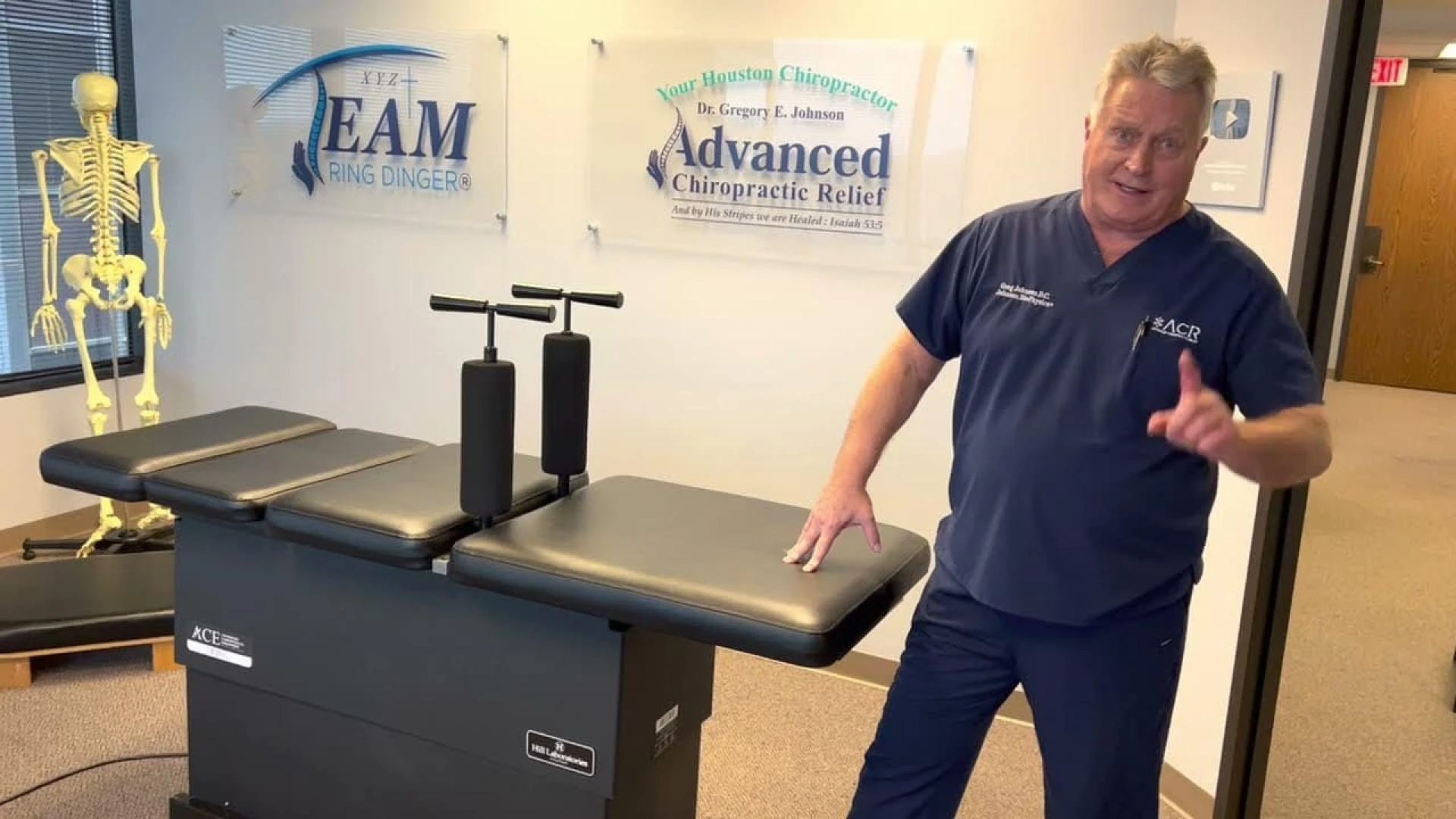

Spinal decompression is an essential aspect of chiropractic care, offering patients relief from conditions such as herniated discs, chronic back pain, and nerve compression. A wide range of decompression tables is available to support different techniques, each providing unique advantages depending on clinical goals. Among these, Ring Dinger tables are widely recognized for their full-body axial traction capabilities. Understanding how Ring Dinger tables compare to other decompression tables helps chiropractors select the most effective equipment for their practice and patient needs.
This article explores the characteristics of Ring Dinger tables, compares them to other decompression tables, and provides guidance for choosing equipment that enhances treatment outcomes.
The Role of Decompression Tables in Chiropractic Practice
Purpose of Spinal Decompression
Decompression tables are designed to reduce pressure on the spinal discs and nerves. By gently stretching the spine, these tables improve circulation, promote tissue healing, and increase the space between vertebrae. This process can relieve pain, enhance mobility, and support overall spinal health.
Benefits for Patients and Practitioners
Decompression tables allow chiropractors to apply controlled forces consistently and safely. Patients benefit from reduced discomfort during treatment, while practitioners can deliver precise adjustments without relying solely on manual traction. The right table enhances both patient outcomes and clinical efficiency.
Ring Dinger Tables: Full-Body Traction
Unique Features of Ring Dinger Tables
Ring Dinger tables are designed to provide full-body axial traction, pulling the spine in a vertical direction. Patients are secured at the pelvis and legs, and the table gradually lowers to stretch the entire spinal column. This method ensures uniform decompression and is particularly effective for conditions where significant spinal elongation is required.
Body Stabilization
Securing the lower body is essential for effective traction. Ring Dinger tables feature pelvic and leg supports to maintain proper alignment during treatment. This stabilization ensures that traction is focused on the spine rather than distributed unevenly across other body segments.
Vertical Traction Movement
The defining feature of Ring Dinger tables is their vertical traction. The table lowers the patient smoothly, allowing gravity-assisted elongation of the spinal column. This type of motion can provide deep decompression that is distinct from horizontal or segmental methods.
Sturdy Construction
Because of the forces involved, Ring Dinger tables are built with strong frames and reliable mechanical systems. Durability and stability are crucial for safe and effective treatment, particularly during repeated sessions with multiple patients.
Other Types of Decompression Tables
While Ring Dinger tables provide full-body traction, several other decompression table types are commonly used in chiropractic practice. Each offers a different approach to spinal decompression.
Static Traction Tables
Mechanism of Action
Static traction tables deliver a sustained, horizontal pull along the spine. The patient remains in a fixed position while gentle traction is applied.
Clinical Benefits
Static traction is ideal for patients who need steady decompression without complex motion. It is often used for general spinal pain relief and for patients with lower tolerance for vertical or dynamic traction methods.
Flexion Distraction Tables
How They Work
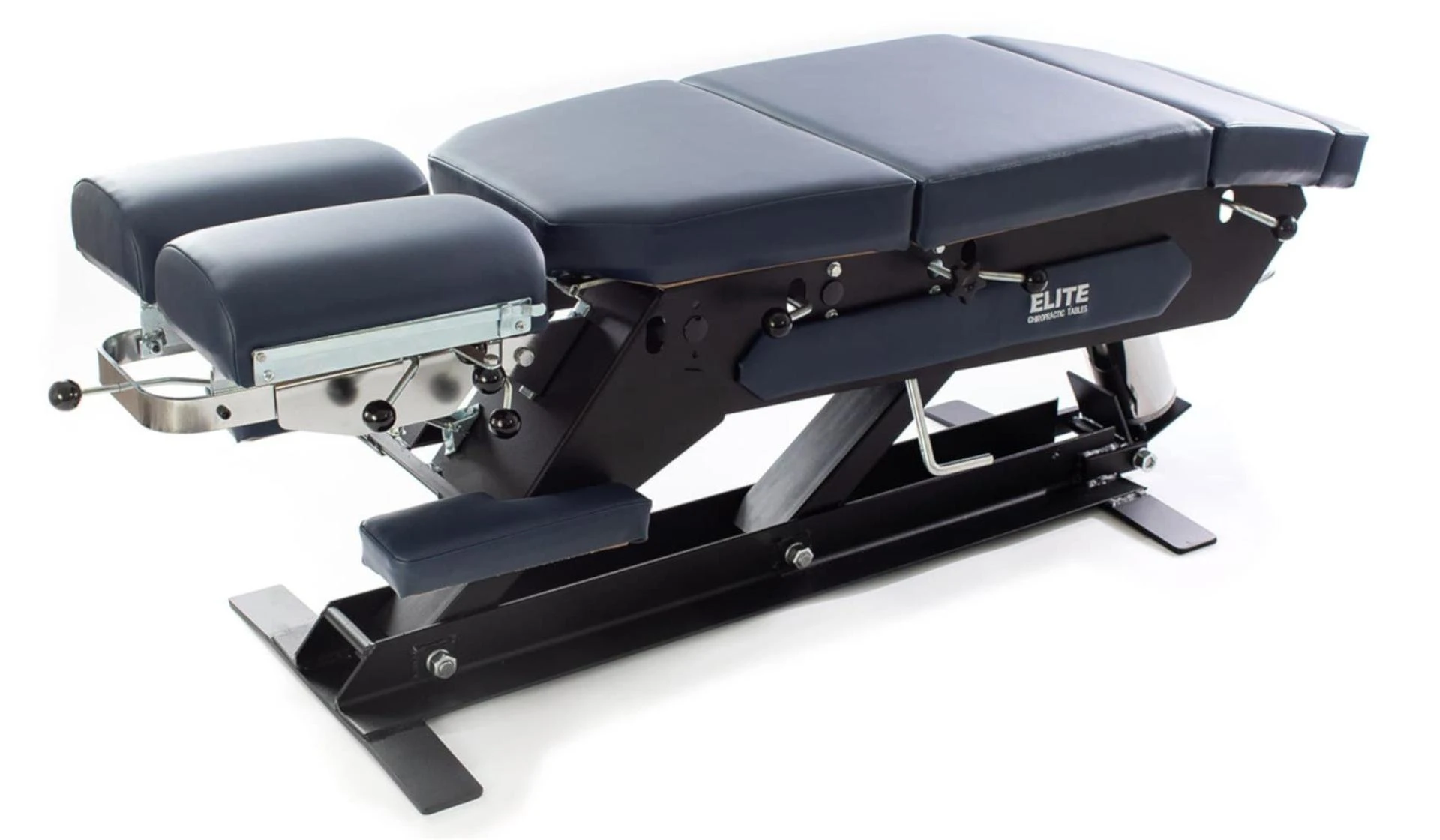
Flexion distraction tables combine spinal flexion with distraction movements. The practitioner guides specific segments of the table to move in coordination with the patient’s spine.
Clinical Advantages
Flexion distraction enhances segmental mobility, relieves nerve pressure, and promotes relaxation of surrounding muscles. These tables are particularly useful for disc injuries, restricted mobility, and chronic pain conditions.
Computer-Assisted Decompression Tables
Technology Integration
Computer-assisted tables use programmable systems to control traction force, speed, and duration. Sensors provide feedback to optimize treatment and ensure repeatable outcomes.
Precision and Customization
These tables allow for highly controlled treatment protocols that can be tailored to each patient. Practitioners can adjust parameters for specific spinal regions and track progress over time, enhancing the predictability of results.
Comparing Ring Dinger Tables to Other Decompression Tables
Traction Direction and Motion
Ring Dinger tables apply vertical traction, affecting the entire spinal column. Other tables typically use horizontal or segmental motion that targets specific regions. Vertical traction may provide more uniform elongation, while segmental tables allow for precise, targeted adjustments.
Patient Experience
Patients may experience the full-body stretch of Ring Dinger tables as more intense than other methods. Some respond well to this pronounced traction, while others may prefer gentler, segmental approaches offered by flexion distraction or computer-assisted tables.
Control and Standardization
Computer-assisted decompression tables offer precise, measurable control over force and duration, providing consistent results across multiple sessions. Ring Dinger tables require the practitioner’s expertise to tailor traction appropriately, relying on assessment and technique.
Clinical Applications
Ring Dinger tables are ideal for cases where full-body spinal elongation is desired, such as disc herniation or significant spinal compression. Other tables, including static traction and flexion distraction, are better suited for patients who need gradual decompression, targeted segmental therapy, or integrated motion patterns.
Choosing the Right Table for Your Practice
Assess Clinical Needs
Practitioners should evaluate the primary spinal conditions treated in their practice. Full-body traction may be advantageous for aggressive decompression goals, while segmental or computer-assisted methods may better serve patients with sensitive conditions or localized issues.
Consider Patient Comfort
Patient tolerance is an important factor. Some individuals prefer vertical, gravity-assisted traction, while others benefit from slower, controlled, or segmental movement. Selecting a table that aligns with patient needs enhances treatment adherence and satisfaction.
Evaluate Practice Workflow
The table’s size, maintenance requirements, and ease of use impact clinical workflow. Practices with high patient volume may benefit from tables that are quick to set up and adjust, while smaller clinics may prioritize multi-functionality.
Long-Term Value
Investing in durable, versatile tables ensures long-term benefits. Multi-function tables or specialized traction tables may provide flexibility to accommodate different techniques and evolving clinical approaches.
Integrating Decompression Tables into Clinical Protocols
Patient Assessment
A thorough evaluation is essential before using any decompression table. Identifying disc issues, nerve involvement, and overall spinal alignment helps determine which table and method are most appropriate.
Treatment Customization
Each patient requires an individualized approach. Practitioners may combine Ring Dinger table sessions with manual adjustments, flexion distraction techniques, or rehabilitative exercises for optimal results.
Monitoring Progress
Documenting patient responses and functional improvements ensures that decompression is effective. Adjustments to the treatment plan can be made based on observed outcomes, ensuring a high standard of care.
Benefits of Technique-Specific Decompression Tables
Enhanced Precision
Tables designed for specific traction methods improve accuracy and allow practitioners to deliver consistent care.
Patient Comfort and Compliance
Proper support, controlled motion, and appropriate force application enhance patient comfort, leading to better adherence to treatment plans.
Practice Differentiation
Offering specialized decompression techniques can set a clinic apart. Patients seeking targeted spinal decompression may be drawn to practices with expertise and equipment such as Ring Dinger tables.
Expanded Treatment Options
Versatile decompression tables enable clinics to address a broader range of spinal conditions and accommodate diverse patient needs, improving overall clinical outcomes.
Conclusion
Ring Dinger tables provide full-body axial traction that is distinct from other decompression methods. While other tables, including static traction, flexion distraction, and computer-assisted systems, offer alternative approaches, Ring Dinger tables remain valuable for practices focused on aggressive, uniform spinal decompression. Choosing the right decompression table requires consideration of clinical goals, patient comfort, workflow, and long-term value. By understanding the differences and benefits of each type of table, chiropractors can select equipment that enhances precision, improves patient outcomes, and supports practice growth. For expert guidance on high-quality chiropractic tables and professional resources, practitioners can consult Advanced Chiropractic Equipment.

























Sign in to leave a comment.