Transitional care management services have become a critical part of healthcare today, especially as hospitals strive to improve patient outcomes, reduce readmissions, and streamline care coordination. For healthcare providers and administrators, understanding the benefits of transitional care management services is essential to delivering high-quality care and maintaining a competitive edge. In this article, we will explore the key advantages of implementing transitional care management services for hospitals and why this approach is essential for modern healthcare delivery.
What Are Transitional Care Management Services?
Transitional care management services refer to a set of activities and interventions designed to ensure patients experience a smooth and safe transition from one healthcare setting to another. This often involves moving from a hospital to a home environment or another care facility. The goal is to prevent complications, avoid unnecessary readmissions, and support patients as they adjust to new care protocols.
Transitional care management services typically include comprehensive follow-up care, medication reconciliation, patient and family education, coordination with primary care providers, and ongoing communication to address any concerns post-discharge.
Key Benefits of Transitional Care Management Services for Hospitals
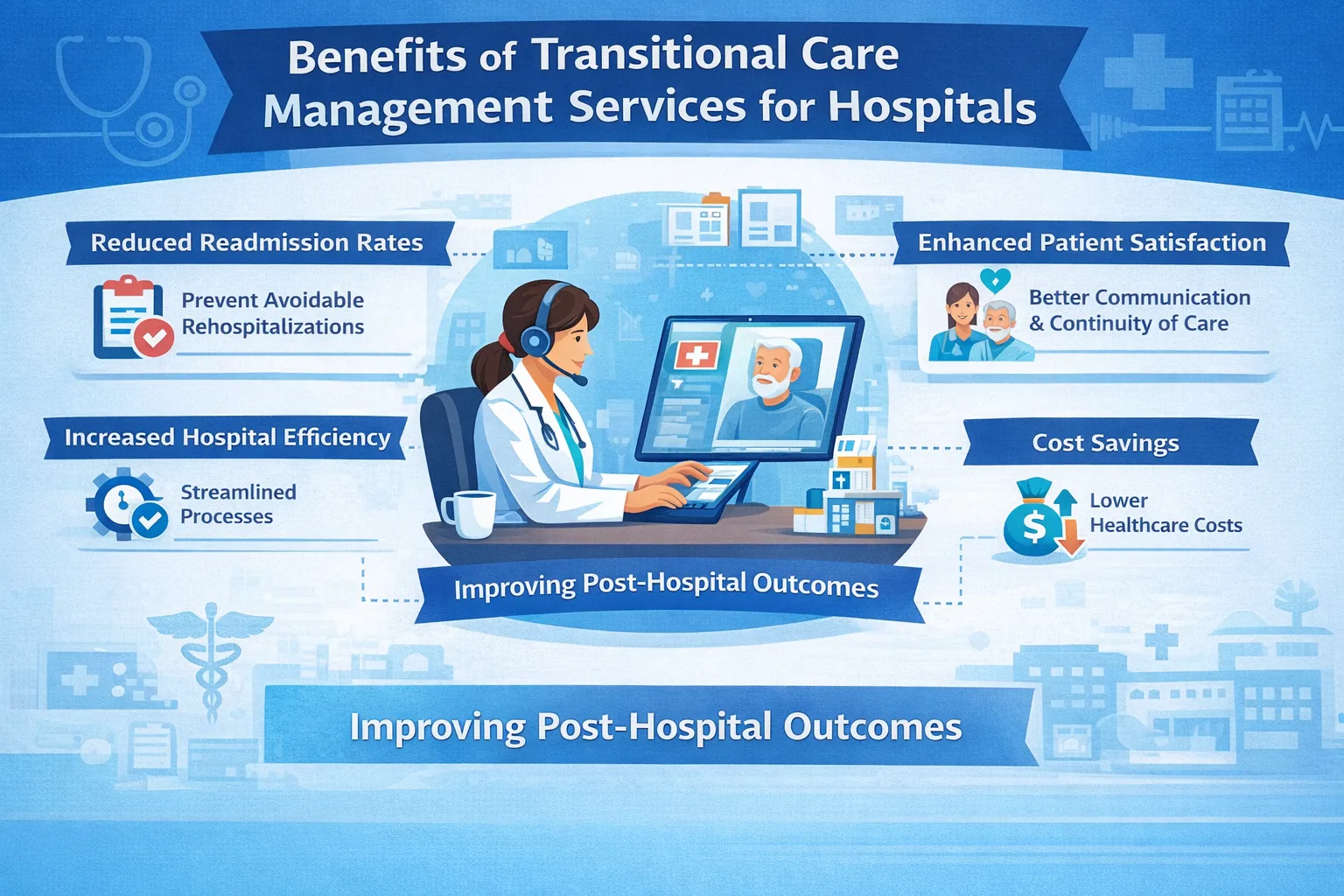
1. Reduces Hospital Readmissions
One of the most significant benefits of transitional care management services is the reduction in hospital readmissions. Patients who do not receive proper follow-up care after discharge are at higher risk of complications that can lead to unplanned readmissions. By providing structured follow-up and clear communication, transitional care management services help identify issues early and address them before they escalate.
2. Improves Patient Outcomes
Transitional care management services are designed to support patients during the vulnerable period after hospital discharge. By ensuring that patients understand their medications, follow-up appointments, and self-care instructions, hospitals can significantly improve patient outcomes. This not only leads to better health for patients but also enhances the hospital’s reputation for quality care.
3. Enhances Patient Satisfaction
Patients who feel supported during their transition from hospital to home are more likely to be satisfied with their overall care experience. Transitional care management services provide patients and families with personalized support, answer questions, and offer guidance through the recovery process. High patient satisfaction scores are increasingly important for hospitals as they impact reimbursement and public perception.
4. Streamlines Care Coordination
Effective care coordination is essential for successful patient transitions. Transitional care management services facilitate communication between hospital staff, primary care providers, specialists, and community resources. This ensures that everyone involved in the patient’s care is on the same page, reducing the risk of errors and improving the overall care experience.
5. Supports Compliance With Healthcare Regulations
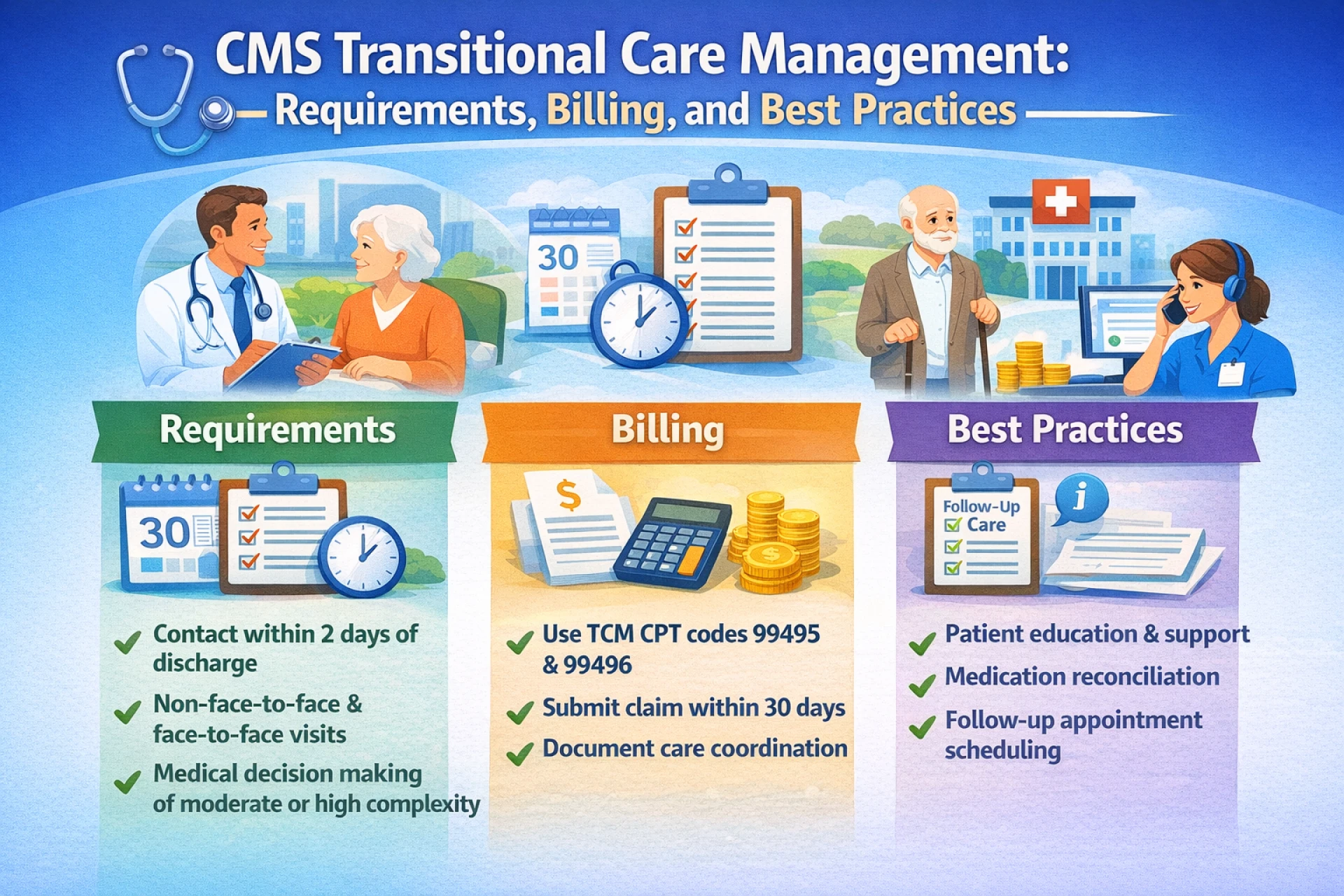
Regulatory bodies such as the Centers for Medicare & Medicaid Services (CMS) have recognized the importance of transitional care management services. By implementing these services, hospitals can better comply with regulations aimed at reducing readmissions and improving care transitions, which can also impact reimbursement rates.
6. Lowers Healthcare Costs
Reducing unnecessary hospital readmissions and preventing complications can lead to significant cost savings for hospitals and the healthcare system as a whole. Transitional care management services help ensure that patients receive the right care at the right time, which reduces emergency room visits and hospital stays.
7. Promotes Better Medication Management
Medication errors are a common cause of hospital readmissions. Transitional care management services include medication reconciliation, where a healthcare professional reviews all of a patient’s medications to ensure accuracy. This helps prevent dangerous drug interactions, duplications, and omissions, leading to safer patient care.
How Transitional Care Management Services Work
Transitional care management services typically begin at the time of discharge planning. Here’s how a typical process might look:
- Discharge Planning: The hospital care team identifies patients at risk for readmission and creates a customized transition plan.
- Follow-Up Contact: Within 48 hours of discharge, a healthcare professional contacts the patient to review medications, answer questions, and schedule follow-up visits.
- Care Coordination: The patient’s primary care provider and any specialists are notified of the discharge and provided with relevant information.
- Ongoing Support: The patient receives regular check-ins, education, and support for 30 days post-discharge, ensuring all needs are met and any issues are addressed promptly.
Why Hospitals Need Transitional Care Management Services Now More Than Ever
The healthcare landscape is rapidly changing, and hospitals are under increased pressure to deliver value-based care. Readmission penalties, patient satisfaction scores, and the shift toward population health management all contribute to the growing importance of effective care transitions.
Transitional care management services provide a structured framework for hospitals to address these challenges head-on. By investing in these services, hospitals can not only improve patient outcomes but also enhance their financial performance and reputation within the community.
Best Practices for Implementing Transitional Care Management Services
For hospitals looking to implement or improve transitional care management services, consider these best practices:
- Build a Multidisciplinary Team: Include nurses, social workers, pharmacists, and care coordinators to address all aspects of patient care.
- Use Technology: Leverage electronic health records and care management platforms to streamline communication and track patient progress.
- Educate Patients and Families: Empower patients with the knowledge and tools they need to manage their health at home.
- Monitor Outcomes: Track readmission rates, patient satisfaction scores, and other metrics to continually improve your transitional care management program.
Conclusion: The Value of Transitional Care Management Services for Hospitals
Transitional care management services are an invaluable resource for hospitals aiming to improve patient care, reduce readmissions, and achieve better health outcomes. By providing comprehensive support during the critical transition period, hospitals can set patients up for long-term success and strengthen their position in an increasingly competitive healthcare market.
For hospitals seeking to innovate and lead in patient-centered care, investing in transitional care management services is not just a smart move—it’s a necessity. Whether you are looking to enhance your current programs or launch new initiatives, embracing transitional care management services will deliver measurable benefits for both your patients and your organization.
If your hospital is ready to see the impact of transitional care management services, now is the time to act. Start building a program that supports your patients through every step of their healthcare journey and watch your hospital thrive.





























Sign in to leave a comment.