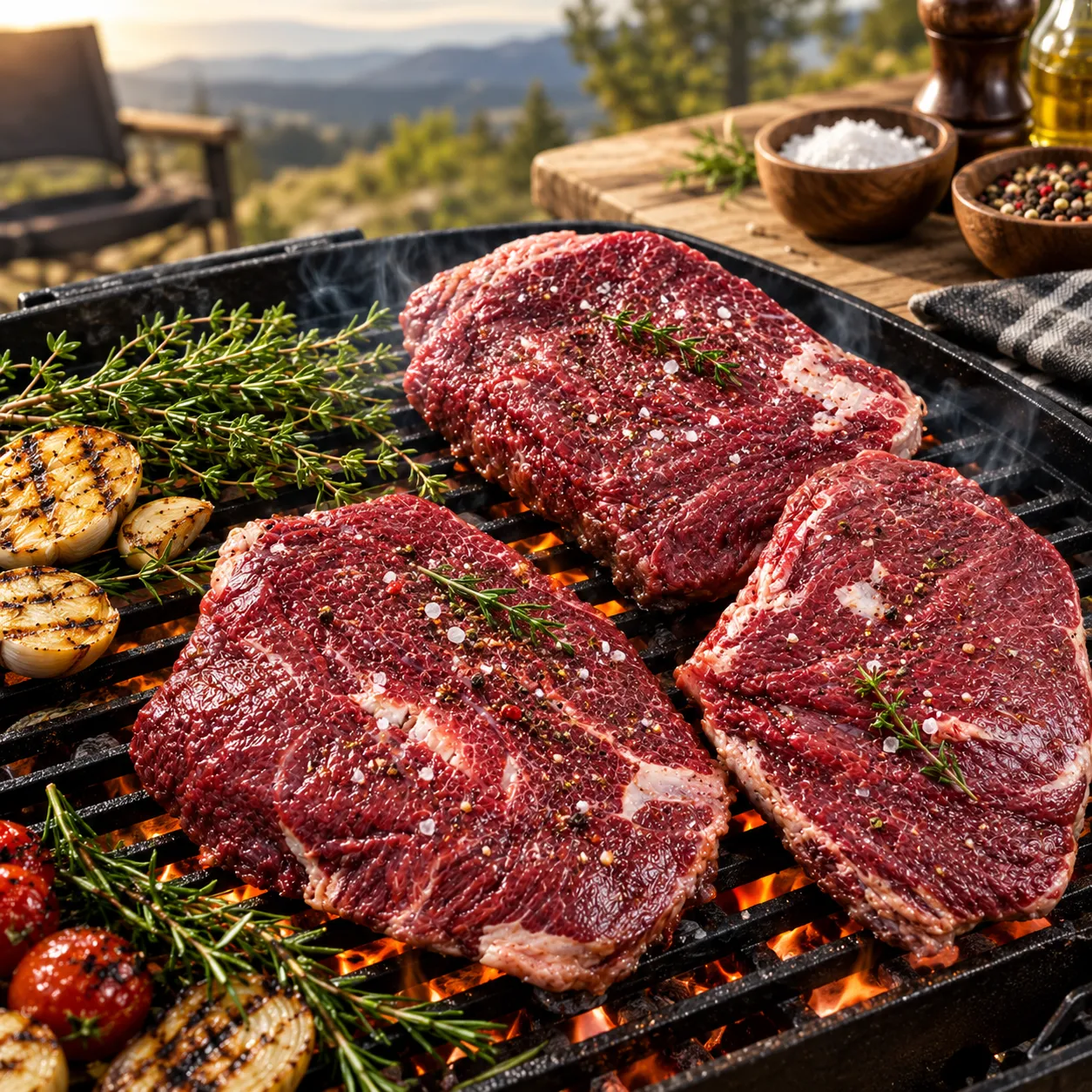

A Little Freezer Planning Today Can Make Tomorrow’s Supper Feel Almost Effortless.
The week can turn sideways before Tuesday is over. Practice runs late, work follows somebody home, and the dinner plan that sounded easy on Sunday suddenly feels like one more chore. That is where the best beef for meal prep earns its place. The right cuts can be portioned, frozen, thawed safely, and turned into several meals without making every night taste like leftovers.
For families in Louisiana and across the US, that might mean ground beef ready for taco night, a roast that becomes two dinners, or steak portions waiting for a quick skillet. Good prep is not about filling every inch of the freezer. It is about stocking cuts that match the household’s schedule, cooking style, and appetite, then handling them well enough that quality still shows up when supper hits the plate.
Key Takeaways For Easier Beef Prep
- Choose versatile cuts that can move between several meals.
- Portion before freezing so only what is needed has to thaw.
- Use refrigerator thawing when time allows and safer, faster methods when plans change.
- Match cooking and reheating to the cut rather than treating every package the same.
Why Do Some Cuts Prep Better?
Meal prep asks more from beef than a single dinner does. Some cuts are less forgiving after chilling and reheating, while others become dependable lunches, bowls, sandwiches, or skillet meals later in the week.
Ground beef checks the versatility box. Chuck roast handles long cooking and can be shredded for different meals. Sirloin can be sliced for bowls, wraps, or quick reheating when cooked carefully. Brisket and shank need more time, but their slow cooked texture suits families that want one cooking session to carry several meals.
Thinking about meal prep beef cuts this way makes shopping easier. Instead of asking which cut is universally best, a household can ask what job each package needs to do once Monday gets rolling.
Best Beef for Meal Prep Starts Here
For many households, ground beef is the easiest place to begin. It portions neatly, thaws relatively quickly, and can swing from tacos to pasta sauce, burgers, rice bowls, or stuffed vegetables without much trouble. A plain cooked batch also lets seasoning change from meal to meal.
That makes ground beef meal prep especially useful when evenings are unpredictable. One batch can be divided instead of committing every portion to the same recipe.
Chuck roast belongs in another lane. It takes longer up front, but once tender it can be pulled apart and portioned for sandwiches, bowls, soups, or a second family dinner. That makes it handy for households that like to get ahead on weekends.
Sirloin works when the family wants something quicker. Thin slices can pair with rice, potatoes, vegetables, or salad. The trick is avoiding overcooking, since leaner pieces can dry out during reheating.
How Should Beef Be Frozen?
Good freezing beef habits begin before the freezer door opens. The household should think about the next meal while portioning the meat.
Large packs may look economical, but freezing everything together creates a problem later. Portioning first makes the freezer far more cooperative.
A simple routine helps:
- Divide beef according to normal meal size.
- Use freezer suitable wrapping or sealed packaging.
- Press out excess air where possible.
- Label the cut and freezing date.
- Place newer packages behind older ones.
LSU AgCenter recommends freezer safe materials to help limit freezer burn and notes that steaks and roasts are generally best used within nine to twelve months for optimal frozen quality; ground beef has a shorter recommended quality window.
Which Cuts Handle Freezing Gracefully?
Most raw beef can freeze well when packaged correctly, but the way it will be used later matters.
| Cut or Format | Meal Prep Strength | Best Next Step | Common Misstep |
| Ground beef | Highly flexible | Freeze in meal portions | Making one oversized block |
| Chuck roast | Strong for batch cooking | Cook slowly, then portion | Rushing the cook |
| Sirloin | Quick meal option | Slice against the grain | Reheating until dry |
| Brisket | Useful across meals | Store with cooking juices | Freezing one huge cooked piece |
| Shank | Good for braises | Keep with broth or sauce | Expect a quick cook |
| Steak portions | Handy for planned dinners | Wrap individually | Thawing more than needed |
Giving every cut a purpose helps the freezer support meal planning instead of becoming a stack of packages nobody remembers buying.
Safe Thawing Keeps Quality On Track
A good cut can lose its advantage when thawing beef becomes an afterthought. USDA Food Safety and Inspection Service guidance identifies refrigerator thawing, cold water thawing, and microwave thawing as safe methods, while counter thawing is not recommended.
Refrigerator thawing fits weekly planning because the meat stays cold while it defrosts. Smaller portions and steaks generally thaw faster than large bone in pieces or whole roasts, so bigger cuts need to come out earlier.
When the day gets away from everybody, cold water can speed things up if the package stays watertight. Microwave thawing can also help, but the meat should move straight into cooking afterward. That bit of forethought is the lagniappe that keeps a hectic evening from unraveling at supper.
Should Raw Or Cooked Beef Freeze?
Both can earn freezer space, but they solve different problems. Raw portions provide flexibility. Ground beef can become chili, meatballs, burgers, or taco filling depending on what sounds good that day. Raw steak portions also leave seasoning and cooking style open.
Cooked beef saves more time. A finished roast, browned ground meat, or braised shank can be divided into meal containers and brought back out when the schedule gets tight. Saucy and slow cooked dishes often reheat comfortably because moisture is already built into the meal.
Families that enjoy batch cooking beef may find cooked chuck, brisket, or ground portions particularly useful because one longer kitchen session can set up several different meals.
Make Reheating Work With The Cut
Reheating is where smart prep can go south fast. Lean steak slices need gentle handling. Too much heat can take them from tender to tough before anyone sets the table. Adding them near the end of a skillet meal or reheating them with a little moisture can help.
Shredded chuck and brisket are usually more forgiving, particularly when stored with some cooking liquid. Ground beef can be reheated inside a sauce, soup, taco filling, or skillet dish rather than heated by itself until dry.
Different cuts call for different treatment. A roast that spent hours becoming tender should not be blasted with heat the same way a quickly reheated ground beef filling might be.
Build A Three Speed Freezer
A practical freezer can be organized around three speeds rather than random cuts.
- Fast lane: ground beef, patties, or portioned steak for nights when supper needs to come together quickly.
- Middle lane: sirloin strips or cooked ground beef that can be worked into bowls, wraps, and skillet meals.
- Slow lane: chuck roast, brisket, or shank for weekends when a longer cook can set up future meals.
This structure helps beef meal prep fit the calendar. Nobody has to pull out a roast on the busiest night of the week or burn through premium steaks because nothing else was planned.
Around here, getting ahead does not have to mean cooking everything on Sunday. Sometimes it simply means having the right package ready when the week starts acting up.
What Goes Wrong With Batch Cooking?
Batch cooking sounds efficient until every container tastes identical by Thursday.
A better approach is to make flexible beef bases rather than finish every meal in the same flavor. Ground beef can be cooked simply, then divided for Cajun inspired rice bowls, tacos, pasta sauce, or breakfast hash. Shredded chuck can head toward sandwiches, potatoes, or vegetable bowls.
Smaller containers are easier to thaw and let households pull out only what they need. Clear labels matter too; if nobody can tell brisket from roast, the system starts falling apart.
Variety can come from sauces, seasonings, sides, and cooking styles rather than preparing an entirely different protein every evening.
Keep These Freezer Habits Around
Do:
- Package beef in amounts the household normally cooks.
- Label cuts before they disappear into storage.
- Move older packages forward.
- Thaw with a food safe method.
- Reheat in ways that protect moisture.
Do not:
- Leave raw beef thawing on the counter.
- Freeze one family size block when smaller portions are usually needed.
- Heat lean cuts again and again.
- Confuse freezer burn with spoilage, although it can hurt quality.
- Let mystery packages pile up.
USDA also notes that meat thawed safely in the refrigerator can be refrozen, though quality may decline somewhat. That can come in handy when a dinner plan gets called off, or company suddenly changes course.
Picture A Sunday Prep That Pays
Consider a fictional household facing a packed week. Monday has practice, Tuesday runs late, Thursday includes guests, and Saturday is supposed to be easy.
Instead of cooking five complete dinners, the family works backward. Ground beef is divided into two portions, one for tacos and another left plain for a skillet meal. A chuck roast cooks slowly and is shredded, with half saved for sandwiches and the rest set aside for bowls. Steak portions stay raw and individually wrapped for Thursday.
When Monday gets hectic, tacos come together without much carrying on. Thursday still has something worth sitting down for. By Saturday, the household has room to switch things up instead of facing the same reheated plate again.
That is meal prep without painting the whole week into a corner.
Let The Freezer Carry Some Weight
The best beef for meal prep is not simply the cut that stays frozen longest or cooks fastest on Sunday. It is beef that fits the household’s real schedule, freezes in sensible portions, thaws safely, and still works across meals people actually want to eat.
Ground beef brings flexibility, roasts and brisket can stretch one cooking session, while steaks and sirloin give planned meals a quicker route to the table. When families pair the right cut with smart packaging, thoughtful thawing, and gentle reheating, the freezer stops being storage space and starts pulling its share of the weekly workload.
For households looking to stock that kind of practical rotation, COASTAL BEEF LLC offers pasture raised, USDA certified beef that includes American Beef, Angus selections, premium steaks, ground beef and patties, boxes and bundles, beef shank, roasts, and briskets. American Beef is available in quarter, half, and whole options, while vacuum sealed packaging and nationwide next day or two-day air shipping can help families plan freezer inventory around the meals they cook most.
FAQs For Better Weekly Prep
1. Can Seasoning Wait Until Cooking Day?
Yes. Keeping some portions simply seasoned gives a household more freedom to take the same basic ingredient in different directions later.
2. Is Slicing Before Storage Always Better?
Not always. Pre-slicing can save time for quick meals, while keeping some cuts whole leaves more options open.
3. Should Braising Liquid Be Stored Too?
For shredded or braised dishes, keeping some cooking liquid with the meat can help protect moisture during reheating.
4. Can Freezer Zones Simplify The Week?
Yes. Grouping packages by quick meals, slow cooking, or special dinners makes it easier to grab the right item without digging around.
5. What If Dinner Plans Shift Midweek?
The household can move meals around rather than forcing the schedule. Safe storage and sensible portions make that flexibility much easier.


























Sign in to leave a comment.