
Microplastics are extremely small plastic particles typically defined as fragments less than 5 millimeters in size. At the lower end of the spectrum, nanoplastics can be measured in nanometers and may behave differently due to their ability to interact with biological systems at a molecular level. These particles originate from the breakdown of larger plastic items, synthetic textiles, industrial processes, and even everyday consumer products.
From a scientific standpoint, microplastics are not uniform. They vary in shape, density, polymer composition, and surface characteristics. Common shapes include fibers, fragments, and spheres, each influencing how the particle behaves in water, air, and biological environments. Their surfaces can also adsorb other substances, which may alter their properties further.
Because of this variability, understanding microplastics requires more than simply identifying their presence. Researchers study their size distribution, chemical composition, and interaction potential with other environmental elements. This complexity is a key reason why filtration systems must be designed with precision and multiple mechanisms in mind when evaluating the best filters for microplastics.
Mechanisms Used in Filtration Technologies
Filtration technologies rely on several physical and sometimes chemical mechanisms to capture particles. The primary mechanisms include size exclusion, adsorption, interception, and electrostatic attraction.
Size exclusion, also known as sieving, is the most straightforward method. In this process, particles larger than the pore size of the filter medium are physically blocked. However, because microplastics can be extremely small, especially fibers and nanoplastics, size exclusion alone is often insufficient unless the filter has very fine pore structures.
Interception occurs when particles follow fluid streamlines but come into contact with filter media and become trapped. This mechanism is particularly relevant for elongated particles such as fibers that do not behave like spherical particles.
Adsorption involves particles adhering to the surface of the filtration medium. Materials with large surface areas or specific surface chemistries can enhance this process. Electrostatic attraction can also play a role, where charged particles are drawn to oppositely charged filter surfaces.
Advanced filtration systems may combine these mechanisms to improve overall effectiveness. Multi-stage filtration setups are commonly used to address the wide range of particle sizes and types found in microplastic contamination.
Particle Size and Filtration Efficiency
Particle size is one of the most important factors in determining filtration efficiency. Filters are typically rated based on their ability to capture particles of a certain size threshold, measured in microns. However, microplastics exist across a broad size spectrum, and smaller particles are significantly more challenging to capture.
As particle size decreases, the probability of passage through a filter increases unless the filtration medium has sufficiently small pores or utilizes additional capture mechanisms. For instance, larger fragments may be captured through simple mechanical filtration, while smaller fibers require more complex interactions with the filter material.
The efficiency of a filter is not only dependent on pore size but also on flow rate. Higher flow rates can reduce contact time between particles and the filter medium, potentially decreasing capture efficiency. Conversely, slower flow rates allow more interaction time, improving the likelihood of particle retention.
Another important factor is clogging or fouling. As filters accumulate captured particles, their effectiveness may change over time. In some cases, accumulation can improve filtration by reducing pore sizes, while in others it can restrict flow and decrease performance. Regular maintenance or replacement is therefore essential to maintain consistent efficiency.
Laboratory Testing and Performance Metrics
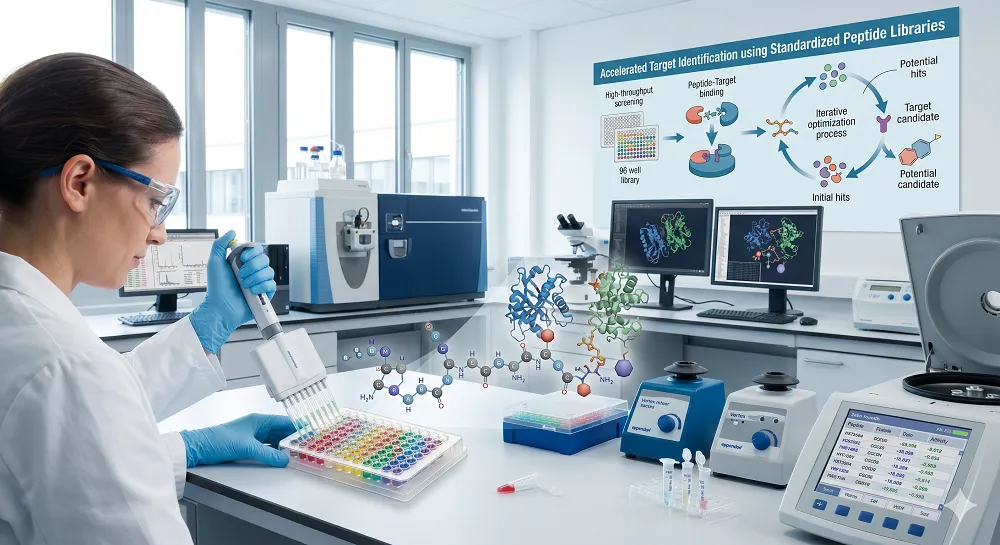
Evaluating filtration systems for microplastic capture requires controlled laboratory testing using standardized methods. Researchers typically introduce known concentrations of microplastic particles into test systems and measure the percentage removed by the filtration device.
Key performance metrics include removal efficiency, pressure drop, flow rate, and longevity. Removal efficiency indicates the proportion of particles captured, while pressure drop measures the resistance to fluid flow across the filter. A higher pressure drop often correlates with greater filtration density but may also indicate reduced flow efficiency.
In laboratory settings, particle characterization tools such as microscopy and spectroscopy are used to analyze both incoming and filtered samples. These tools help determine the size distribution and composition of particles before and after filtration.
Repeatability and consistency are also important considerations. A filter that performs well in one test may not maintain the same performance under different conditions, such as varying water quality, temperature, or particle load. For this reason, performance evaluations often include multiple test cycles and varying input conditions.
When assessing the best filters for microplastics, it is important to consider not just peak efficiency but also real-world applicability. Filters must maintain performance across diverse conditions while balancing factors such as maintenance requirements, durability, and usability.
Conclusion
Microplastics present a complex filtration challenge due to their varied sizes, shapes, and behaviors. Effective filtration relies on a combination of mechanisms, including size exclusion, interception, adsorption, and electrostatic interactions. Particle size plays a critical role in determining how easily these particles can be captured, and smaller particles require more advanced filtration approaches.
Laboratory testing provides valuable insight into how filtration systems perform under controlled conditions, using measurable metrics such as removal efficiency and pressure drop. However, real-world performance depends on multiple interacting factors, including flow rate, maintenance, and environmental variability.
Understanding the science behind filtration methods allows for more informed evaluation of systems designed to capture microplastics. Rather than relying on a single approach, the most effective solutions typically integrate multiple mechanisms to address the wide range of particle types encountered. This scientific perspective helps guide thoughtful decisions when exploring best filters for microplastics within broader efforts to support mindful and conscious living practices.

























Sign in to leave a comment.