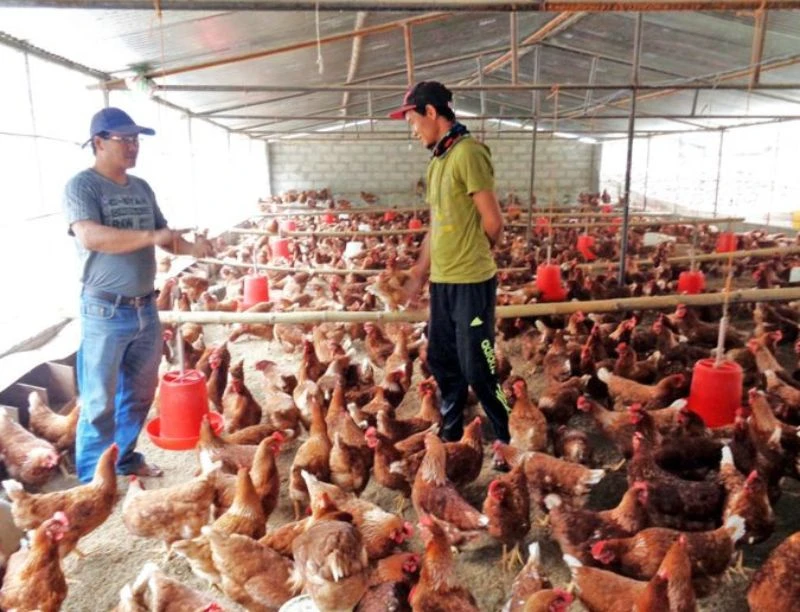

Poultry farming is a highly profitable agribusiness in Nepal. A surge in demand for poultry products like meat and eggs has prompted poultry farmers to adopt new-generation methods, enhancing productivity and efficiency. Adopting Nepal’s top poultry-rearing practices promises improved output, disease resistance, and sustainability. This article delves into the most crucial poultry farming practices, focusing on breed selection, housing, diet, disease prevention, and market strategies.
Selecting the Right Poultry Breed
Choosing the appropriate breed is the foundation of a successful poultry farm. In Nepal, selection depends on the purpose of farming—either for meat (broilers) or egg production (layers).
Broiler Breeds: Cobb 500, Ross 308, and Hubbard are reared extensively for meat production as they grow more quickly and yield more.
Layer Breeds: Hy-Line, Lohmann Brown, and Shaver Brown are most appropriate for egg production and have a high laying ability.
Local Breeds: Giriraj and Sakini are prominent local breeds suited to and immune to regional diseases.
Carefully choosing breeds based on climate, market, and resources available ensures sustainable poultry farming.
Efficient Poultry Housing Management
Proper housing is critical in poultry farming, providing shelter, ventilation, and protection from predators and diseases.
1. Types of Poultry Housing:
Deep Litter System: Poultry birds are raised on the floor with bedding materials like rice husks or sawdust. It is cost-effective and widely used in Nepal.
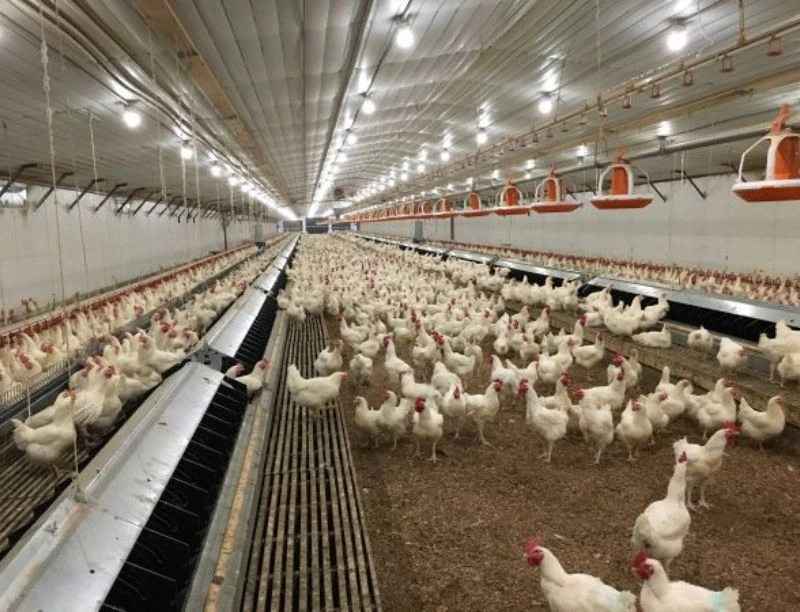
Battery Cage System: Birds are kept in cages with automated feeding and watering systems, improving egg production efficiency.
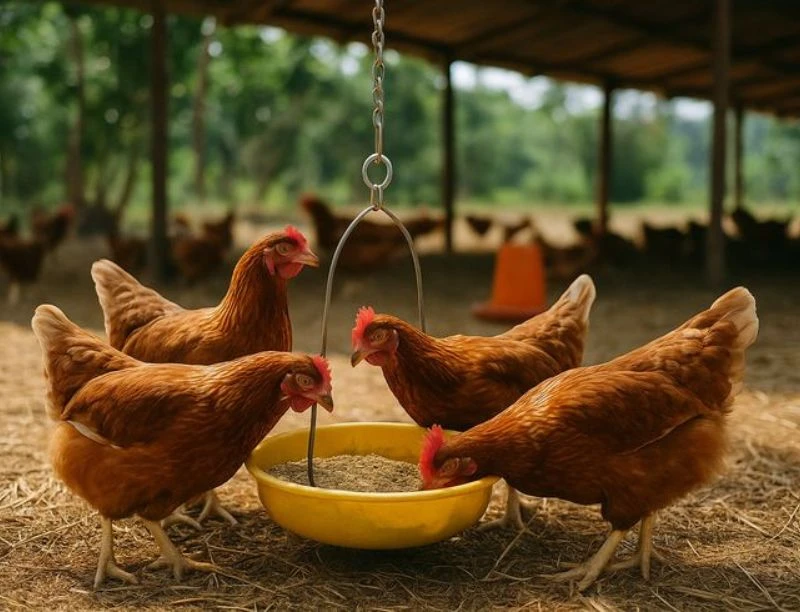
Free-Range System: This method allows birds to roam freely during the day, ensuring better quality meat and eggs but requiring a larger space.
2. Housing Considerations:
Adequate ventilation to regulate temperature and humidity.
Proper lighting for optimal egg production (14-16 hours daily).
Protection from predators like foxes and rodents.
Regular cleaning and disinfection to maintain hygiene.
Balanced Nutrition and Feeding Practices
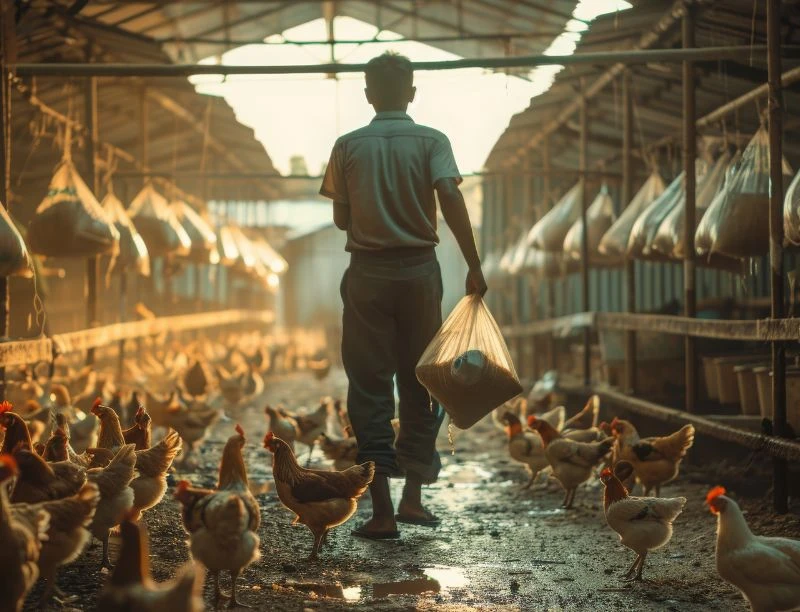
Providing a well-balanced diet ensures healthy growth and high productivity. Poultry feed in Nepal consists of grains, proteins, vitamins, and minerals.
Common Poultry Feeds:
Starter Feed (0-3 weeks) – High protein for rapid growth.
Grower Feed (4-8 weeks) – Balanced nutrients for development.
Layer Feed (18+ weeks) – High calcium for strong eggshells.
Broiler Feed – An energy-rich diet for faster weight gain.
Feeding Tips:
Use commercial feed formulated for specific poultry needs.
Maintain a clean water supply to avoid dehydration.
Supplement with green vegetables and calcium sources like crushed eggshells.
Provide adequate feeding space to prevent competition and ensure uniform growth.
Disease Prevention and Biosecurity Measures
Disease outbreaks can cause heavy losses in poultry farming. Taking preventative action is essential to keeping a flock healthy.
1. Common Poultry Diseases in Nepal:
Newcastle Disease Causes respiratory issues and high mortality.
Avian Influenza – Highly contagious viral disease.
Coccidiosis – Affects the intestinal tract, leading to diarrhoea and weakness.
Salmonellosis – A bacterial infection causing digestive disorders.
2. Biosecurity Measures:
Regular vaccination and deworming programs.
Keeping the poultry house clean and disinfected.
Avoid overcrowding to reduce stress and disease spread.
Isolating sick birds to prevent contamination.
Restricting farm visitors to minimise disease transmission.
Waste Management and Sustainability
Sustainable poultry farming involves proper waste management and eco-friendly practices.
Waste Utilisation:
Poultry manure can be composted and used as organic fertiliser for crops.
Wastewater from poultry farms can be treated and reused for irrigation.
Feathers and other by-products can be processed into poultry meal or organic fertiliser.
Sustainable Practices:
Using solar-powered incubators and lighting systems.
Integrating poultry farming with fish or crop farming to optimise resource utilisation.
Implementing rainwater harvesting for water sustainability.
Encouraging agroforestry by planting trees around farms to create a favourable microclimate.
For More Details, Click Here























Sign in to leave a comment.