


Hiring developers has never been simple. Recruiters often spend hours reviewing resumes, scheduling interviews, and coordinating technical rounds, only to discover later that a candidate may not be the right fit. As hiring demand grows and remote recruitment becomes more common, many companies are turning to AI coding interviewers to make the process faster, more consistent, and easier to scale.
But simply adopting AI interview technology is not enough. To get the best results, companies need to use these tools thoughtfully. When implemented correctly, AI coding interviewers can improve hiring efficiency, reduce bias, and create a better experience for both recruiters and candidates.
Here are some practical best practices for using AI coding interviewers in tech recruitment.
Define Clear Hiring Goals Before Starting
Before introducing an AI coding interviewer into your recruitment workflow, identify exactly what you want to achieve. Some companies want to reduce time-to-hire, while others focus on improving candidate quality or handling high-volume recruitment.
Having clear goals helps recruiters:
- Choose the right interview structure
- Select relevant coding assessments
- Measure hiring success more effectively
- Avoid unnecessary screening rounds
A clear strategy ensures the AI interviewer supports your hiring process instead of complicating it.
Customize Coding Assessments for Each Role
Not every developer role requires the same technical skills. A frontend engineer, backend developer, and DevOps candidate all need different assessments.
Avoid using generic coding tests for every position. Instead:
- Match questions to the job role
- Include real-world coding scenarios
- Test practical problem-solving abilities
- Focus on skills actually used in daily work
Candidates appreciate assessments that feel relevant to the role they are applying for, and recruiters get more accurate hiring insights.
Keep the Candidate Experience Simple
Technical interviews can already feel stressful for candidates. Complicated platforms, unclear instructions, or long interview processes can create a poor experience.
To improve candidate satisfaction:
- Provide clear interview instructions
- Keep the interface user-friendly
- Allow flexible interview scheduling
- Share expectations before the assessment
- Avoid overly lengthy coding rounds
A smooth interview experience reflects positively on your company and helps attract stronger talent.
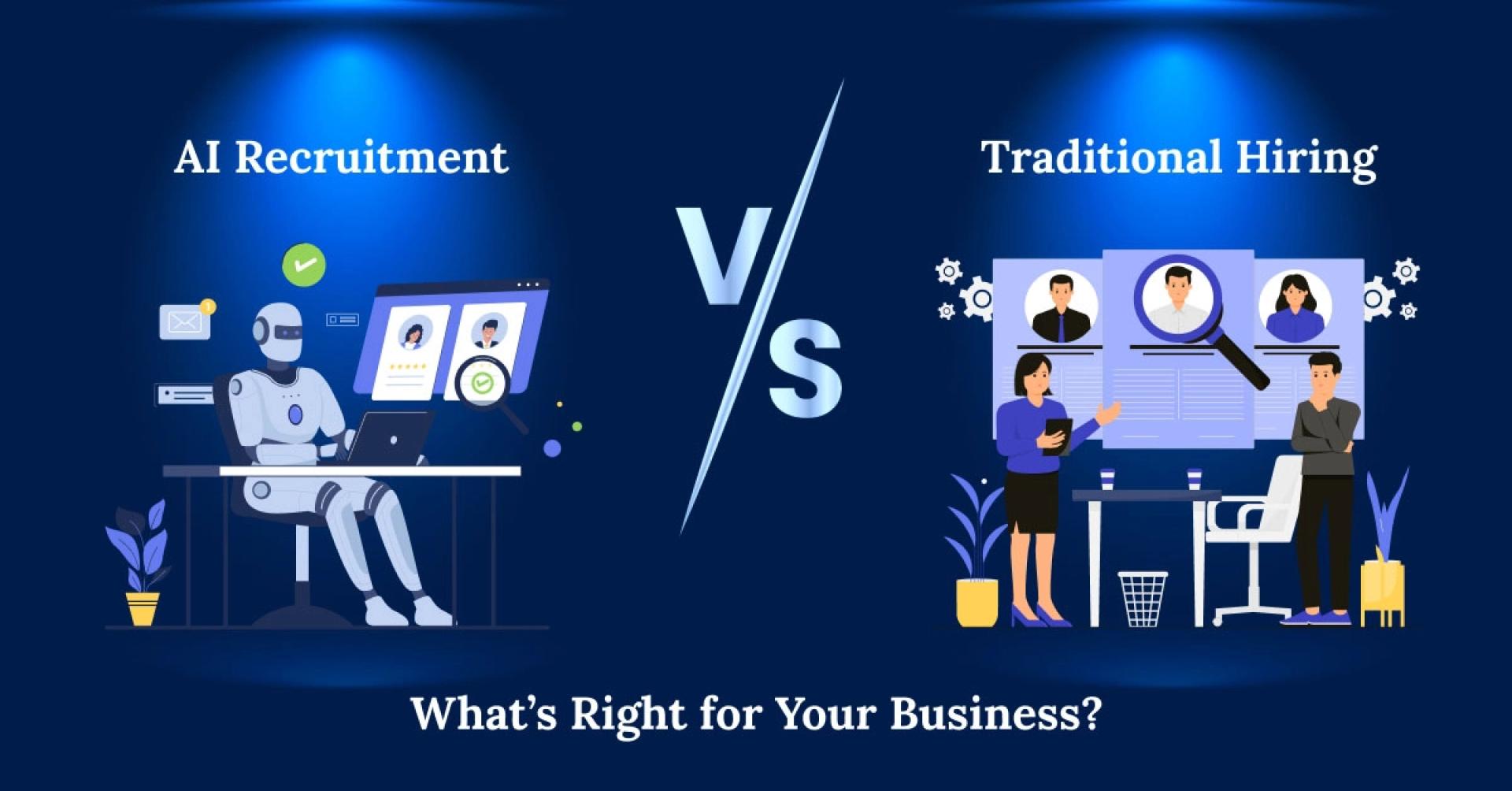
Use AI as Support, Not a Full Replacement
AI coding interviewers are excellent for automation and initial technical screening, but human involvement still matters.
Recruiters and hiring managers should:
- Review AI-generated insights carefully
- Conduct final human interviews
- Evaluate communication and teamwork skills
- Consider cultural fit alongside technical ability
The best hiring decisions usually come from combining AI efficiency with human judgment.
Focus on Real Skills Instead of Memorization
Traditional coding interviews sometimes focus too heavily on theoretical questions or algorithm memorization. Modern AI coding interview tools work best when they evaluate practical skills.
Good assessments should measure:
- Problem-solving ability
- Code quality
- Logical thinking
- Debugging skills
- Real-world development knowledge
This approach helps identify candidates who can actually perform well on the job.
Reduce Bias with Standardized Evaluations
One major advantage of AI coding interviewers is consistency. Every candidate receives the same assessment criteria, which helps reduce unconscious bias during early screening stages.
To improve fairness:
- Use structured evaluation metrics
- Standardize technical questions
- Focus on measurable performance data
- Avoid unnecessary personal factors
Fair hiring practices create stronger and more diverse engineering teams.
Continuously Review Interview Performance
AI recruitment tools should not run on autopilot forever. Recruitment teams should regularly review interview outcomes and make improvements.
Track metrics such as:
- Candidate completion rates
- Interview-to-hire ratios
- Assessment accuracy
- Candidate feedback
- Hiring manager satisfaction
Regular optimization ensures the interview process stays effective as hiring needs evolve.
Balance Speed with Quality
AI coding interviewers can dramatically speed up recruitment, especially during high-volume hiring. However, faster hiring should not come at the cost of candidate quality.
Avoid:
- Over-automating every stage
- Relying only on AI scores
- Skipping meaningful technical discussions
- Using extremely short assessments
The goal is to improve efficiency while still identifying the best developers for your team.
Ensure Transparency with Candidates
Candidates should understand how the interview process works and how AI is being used in evaluation.
Transparency builds trust by:
- Explaining interview steps clearly
- Sharing assessment expectations
- Communicating timelines
- Providing feedback whenever possible
Open communication creates a more positive recruitment experience overall.
Final Thoughts
AI coding interviewers are changing how companies hire technical talent. They help recruiters save time, streamline technical screening, and manage large volumes of applicants more efficiently. But success depends on how these tools are implemented.
The most effective companies use AI coding interviewers as part of a balanced hiring strategy — combining automation, structured evaluations, and human decision-making. By focusing on fairness, candidate experience, and role-specific assessments, businesses can build stronger tech teams while improving the overall recruitment process.
As technical hiring continues to evolve, AI recruiting tools will likely become an essential part of modern recruitment workflows.




















Sign in to leave a comment.