

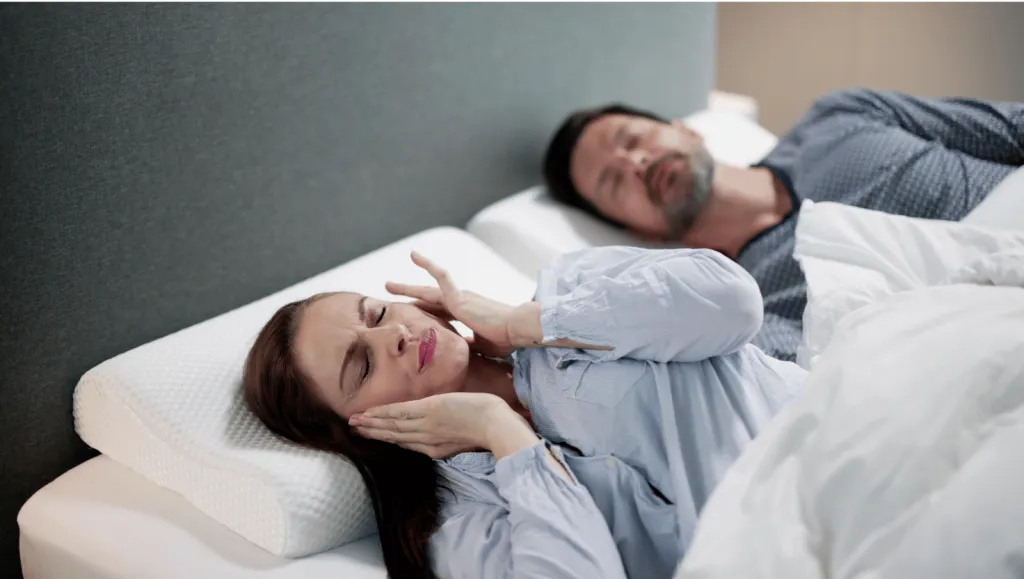
If you share a bedroom with a chronic snorer, you already know the nightly routine. You lie awake in the dark, staring at the ceiling, waiting for the next loud rumble to break the silence. By the time morning rolls around, your partner is fully rested, while you feel completely drained and exhausted.
For light sleepers, finding the best snoring ear plugs in Australia is not just about convenience—it is about rescuing your health, your mood, and often your relationship.
At Aussie Ear Plugs, our team speaks with sleep-deprived partners every single day. The most common frustration we hear isn't just about the noise; it is about the physical earplugs failing. You buy a pack of cheap foam cylinders, manage to get them in, and finally drift off. But by 3:00 AM, you are wide awake again because the earplugs have completely fallen out and vanished into your bedsheets.
Here is the biological reason why standard earplugs fall out during the night, and what you actually need to look for to maintain a quiet, unbroken sleep.
The Physiology of Sleep: Why Your Plugs Fall Out
To understand why your earplugs will not stay put, you have to look at how your face moves when you are unconscious.
Your ear canal is not a rigid, static tube. It sits directly next to your temporomandibular joint (the TMJ), which connects your jaw to your skull. While you sleep, you naturally swallow, shift your neck, and sometimes grind your teeth. Every single time your jaw moves, the TMJ shifts, causing your ear canal to subtly change shape.
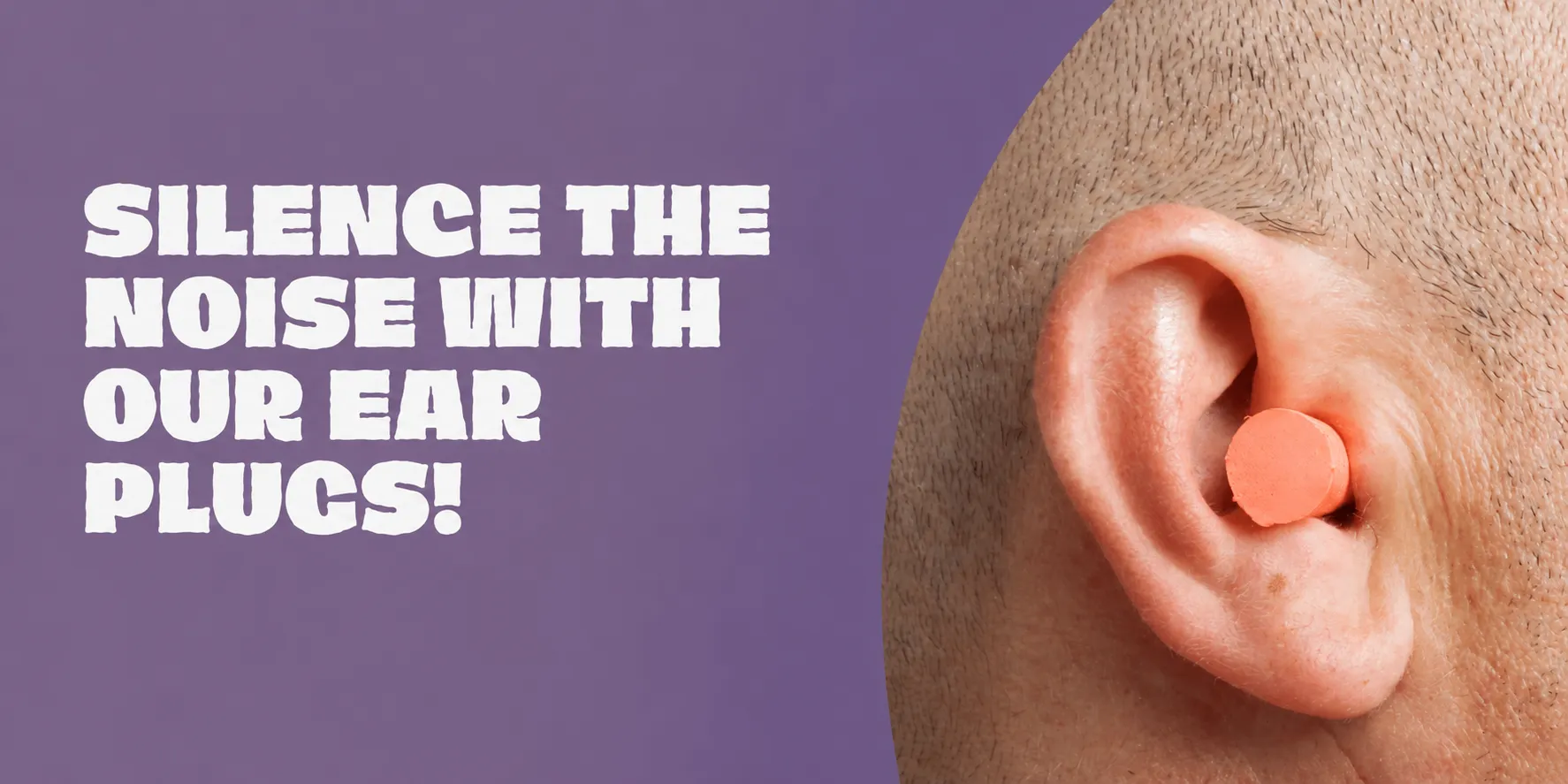
If you are wearing traditional expanding foam or rigid plastic earplugs, this constant jaw movement acts exactly like a mechanical pump. Over a few hours, the flexing of the canal slowly squeezes the earplug outward until the acoustic seal breaks and the snoring floods back in.
Canal Blocking vs. Surface Sealing
The biggest mistake people make when buying sleep protection is choosing the wrong style of barrier.
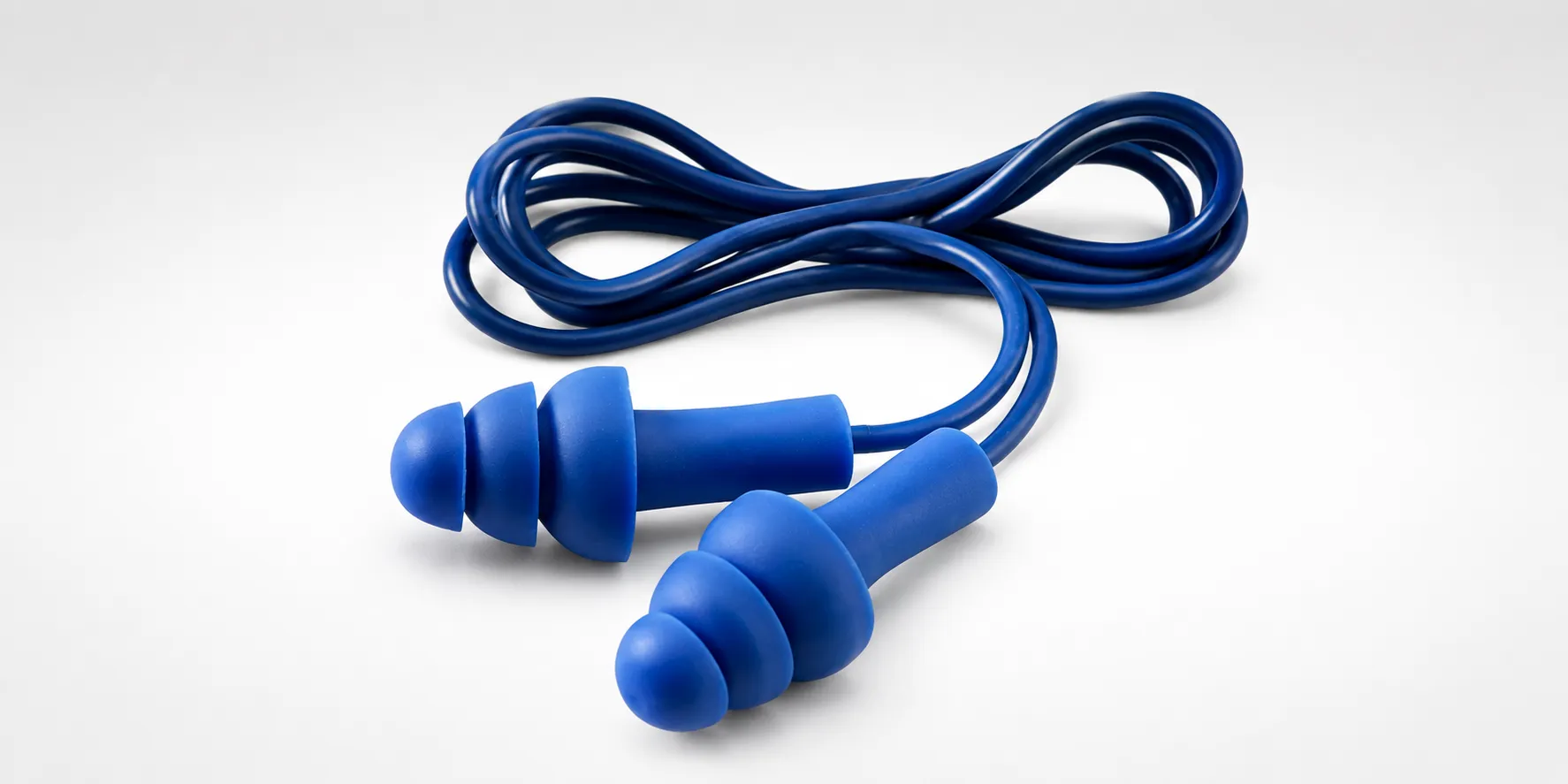
If you work on a loud construction site, operate heavy machinery, or ride a motorcycle, you need aggressive acoustic blocking. In those high-impact daytime environments, investing in heavy-duty noise cancelling ear plugs in Australia that penetrate deep into the ear canal is exactly what you want.
But sleeping next to a snoring partner requires a completely different approach.
For nighttime use, you do not want a plug that jams deep into the ear canal, as this creates friction against your pillow and causes a throbbing ache. Instead, the best snoring ear plugs in Australia utilize a "surface sealing" design. High-quality moldable materials (like pure beeswax blends or medical-grade silicone putty) do not go inside the canal. Instead, they sit completely flat over the outer bowl of your ear.
Because they sit on the outside, they are completely immune to the internal pumping action of your jaw. They simply flex and move with your skin, keeping the acoustic seal perfectly intact until morning.
Fighting the Australian Climate
Another massive factor that destroys your sleep hygiene is temperature. Australian summer nights can get incredibly warm and humid.
Standard foam earplugs are highly porous—they act exactly like tiny sponges. When you wear them on a hot night, they trap body heat and absorb sweat inside your ear canal. The moment your ear canal becomes slightly sweaty, the foam loses its grip and slides right out. Reusing sweaty foam night after night can also lead to painful ear infections.
Dense, moldable silicone and natural beeswax do not absorb moisture. In fact, they use your natural body temperature to gently soften, creating a gentle suction effect against your skin that stays completely locked in place, even if you are sweating or tossing and turning.
The 3-Step Nighttime Application Routine
Even the most premium sleep plugs require the right technique. To guarantee your snoring protection stays in place all night long, try this quick application routine before your head hits the pillow:
- Step 1: The Dry Wipe. Grab a tissue and gently wipe the outer bowl of your ear (the concha) to remove any natural skin oils or lingering moisture from your evening shower. A clean, dry surface ensures the material grips securely.
- Step 2: The Heat Prep. Never place a cold piece of moldable silicone or wax onto your ear. Roll the material firmly between your warm palms for 20 to 30 seconds. This makes it highly pliable so it perfectly matches the unique contours of your ear.
- Step 3: The Flat Press. Press the softened material firmly over the ear opening like a customized lid. Ensure you do not push it down into the canal. Keep the profile completely flat so it does not snag or rub against your pillow when you roll onto your side.
By switching from rigid internal plugs to flexible, moldable surface seals, you can finally put an end to the 3:00 AM wake-ups. Protect your ears correctly, block out the rumble, and start waking up feeling genuinely recharged.


























Sign in to leave a comment.