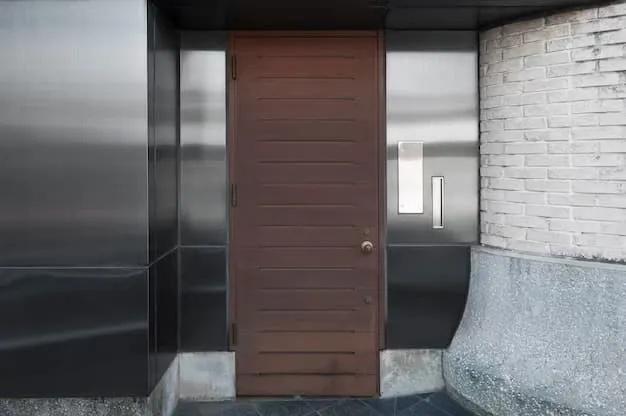

Creating a professional recording environment requires careful attention to acoustics, privacy, and noise control. Recording studios are designed to capture clean and accurate sound without unwanted interference from outside noise or sound leakage between rooms. One of the most important components in achieving this goal is the installation of high quality soundproof doors. Many studio owners and sound engineers rely on soundproof doors to improve recording quality and maintain a controlled acoustic environment. These doors are specially designed to reduce sound transmission while supporting comfort, security, and long term durability in both commercial and personal studio spaces.
Why Soundproof Doors Are Important for Recording Studios
Recording studios are highly sensitive environments where even the smallest outside noise can affect the quality of a recording. Standard doors are often unable to block unwanted sounds such as traffic, conversations, machinery, or vibrations from nearby rooms. This can result in distorted audio recordings and interruptions during important sessions. Soundproof doors are specifically built to create a barrier against external noise and help maintain sound clarity inside the studio.
In addition to blocking external disturbances, these doors also prevent sound from escaping the recording space. This is especially important for studios located in residential buildings, office complexes, or shared commercial properties. A properly installed soundproof door helps create privacy for musicians, podcasters, and audio engineers while reducing complaints from neighboring spaces. The improved sound isolation allows artists and producers to work confidently without distractions.
Understanding How Soundproof Doors Work
Soundproof doors are designed using dense materials and advanced sealing systems that limit the transfer of sound waves from one side of the door to the other. Unlike ordinary doors, these specialized products are heavier and include features such as acoustic seals, insulated cores, and reinforced frames. Every part of the door works together to minimize gaps where sound could travel.
The effectiveness of soundproofing depends on the door’s Sound Transmission Class rating, often referred to as STC. A higher STC rating indicates better sound blocking performance. Recording studios typically require doors with higher ratings because they handle loud instruments, vocals, and audio equipment. The combination of solid construction and proper installation helps create an environment where sound quality remains clear and controlled.
Acoustic Seals and Gaskets
Acoustic seals are essential components of soundproof doors because they close the small gaps around the edges of the door. Even a tiny opening can allow significant amounts of sound to pass through. High quality seals help maintain a tight barrier when the door is closed and improve overall noise reduction performance.
Door gaskets also contribute to sound insulation by preventing vibrations and air leakage. These features are commonly installed around the frame and threshold of the door. In professional recording studios, effective sealing systems help ensure that every recording session remains free from outside interference. Properly fitted seals also improve energy efficiency and indoor comfort.
Solid Core Construction
The core material inside a soundproof door plays a major role in reducing sound transmission. Most soundproof doors use solid timber, steel, or composite cores that are much denser than hollow interior doors. The added weight helps absorb sound waves and prevents them from passing through the door surface.
Solid core construction is especially beneficial in music studios where instruments and amplifiers produce strong sound vibrations. A heavier door structure creates better sound isolation and contributes to a more professional recording setup. Many studio owners choose thick acoustic doors because they offer long lasting performance and improved durability.
Key Features to Look for in Soundproof Doors
Choosing the right soundproof door for a recording studio requires careful consideration of several important features. Not all acoustic doors provide the same level of performance, so understanding the available options helps studio owners make informed decisions. The right door should combine sound insulation, strength, comfort, and functionality.
The design of the door should also complement the studio layout and allow easy movement between recording spaces. Factors such as material quality, frame construction, and sealing systems all influence the overall effectiveness of the installation. Selecting a high performance soundproof door can significantly improve recording conditions and create a more productive workspace.
High STC Rating
An important feature to consider is the STC rating of the door. Recording studios often require doors with higher ratings to block loud sounds effectively. A door with a strong acoustic rating provides better protection against external noise and internal sound leakage.
Higher STC ratings are particularly useful in professional studios where clear audio recordings are essential. These doors help create a quieter environment that supports accurate sound monitoring and mixing. Studio owners should choose products that match the acoustic requirements of their specific recording space.
Durable Frame Design
A soundproof door is only as effective as its frame and surrounding structure. Strong frames help support the weight of heavy acoustic doors while maintaining a secure seal around the edges. Weak or poorly fitted frames can reduce the performance of even the best soundproof door.
Durable frames are commonly made from steel or reinforced timber to provide long term stability. They also help prevent vibrations that could affect sound isolation. Professional installation ensures that the door and frame work together effectively to maintain consistent acoustic performance.
Automatic Door Bottom Seals
Automatic door bottom seals are designed to close the gap between the door and the floor when the door shuts. This feature helps prevent sound leakage and improves overall noise reduction. When the door opens, the seal automatically lifts to allow smooth movement.
These seals are highly effective in recording studios because floor gaps are often one of the main areas where sound escapes. Adding an automatic seal improves the acoustic performance of the entire door system and creates a more controlled recording environment.
Benefits of Installing Soundproof Doors in Recording Studios
Installing soundproof doors offers a wide range of benefits for studio owners, musicians, and audio professionals. These doors improve the overall quality of recordings while creating a comfortable and distraction free environment. They are an essential investment for anyone who values professional sound performance.
Beyond acoustic control, soundproof doors also contribute to privacy, energy efficiency, and property value. Their durable construction makes them suitable for long term use in demanding studio settings. A properly designed recording space with effective soundproofing can improve productivity and support better creative performance.
Improved Recording Quality
One of the main advantages of soundproof doors is their ability to improve recording quality. By reducing external noise, these doors help capture cleaner vocals and instrument recordings. This minimizes the need for excessive audio editing and improves overall production efficiency.
A quieter environment also helps audio engineers detect subtle details during mixing and mastering. Accurate sound monitoring is essential for professional audio work, and soundproof doors contribute significantly to maintaining acoustic clarity within the studio.
Greater Privacy and Concentration
Recording sessions often require privacy and focus, especially when artists are working on sensitive projects or creative performances. Soundproof doors help create a secure and isolated environment where musicians can perform confidently without interruptions.
The reduction of outside distractions also improves concentration for producers, podcasters, and voice over artists. A calm and controlled recording space supports creativity and allows professionals to work more effectively during long studio sessions.
Reduced Noise Complaints
Studios located in residential or commercial buildings may generate high sound levels that disturb nearby occupants. Soundproof doors help reduce noise transmission and minimize complaints from neighbors or surrounding businesses.
This is particularly important for studios operating during evening hours or in shared facilities. Effective sound isolation supports responsible noise management and allows studio owners to maintain positive relationships with nearby occupants.
Different Types of Soundproof Doors for Studios
There are several types of soundproof doors available for recording studios, each designed to meet different acoustic requirements and design preferences. Understanding these options helps studio owners choose the most suitable solution for their space.
The choice of door often depends on factors such as studio size, budget, recording activities, and overall building structure. Selecting the right type of door can greatly influence the effectiveness of the studio’s soundproofing system.
Acoustic Timber Doors
Acoustic timber doors are popular in recording studios because they provide excellent sound insulation while maintaining a warm and professional appearance. These doors are usually built with solid cores and advanced acoustic seals to reduce noise transmission.
Timber acoustic doors are suitable for vocal booths, control rooms, and rehearsal spaces. Their attractive finish also complements modern studio interiors and creates a comfortable atmosphere for artists and clients.
Steel Soundproof Doors
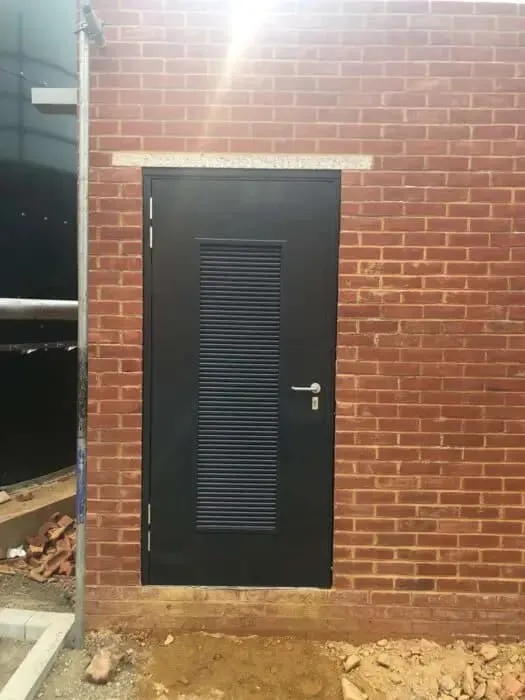
Steel soundproof doors offer exceptional durability and high acoustic performance. These doors are commonly used in commercial studios where maximum strength and security are required. Their heavy construction helps block powerful sound vibrations effectively.
Steel acoustic doors are resistant to wear and suitable for high traffic recording environments. They are often combined with reinforced frames and specialized seals to achieve superior soundproofing performance.
Double Door Systems
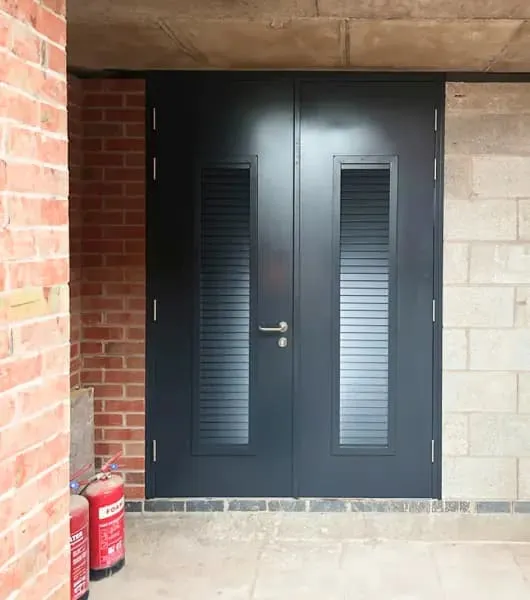
Double door systems provide an additional layer of sound insulation by creating an air gap between two separate doors. This design significantly reduces sound transmission and is commonly used in professional recording studios.
The space between the doors acts as a sound buffer that absorbs noise before it can travel into or out of the studio. Double door systems are ideal for environments where maximum acoustic isolation is required.
Maintenance Tips for Soundproof Doors
Proper maintenance is important to ensure that soundproof doors continue performing effectively over time. Regular inspections help identify issues such as worn seals, loose hinges, or frame damage that could reduce acoustic performance.
Cleaning the door surface and sealing components also helps maintain durability and appearance. Studio owners should ensure that the door closes tightly and that all acoustic seals remain intact. Routine maintenance protects the investment and supports consistent sound isolation.
Lubricating hinges and checking alignment can prevent operational problems and extend the life of the door system. Professional servicing may also be beneficial for studios with heavy daily use. Well maintained soundproof doors continue to provide reliable acoustic protection for many years.
Conclusion
Soundproof doors play a critical role in creating professional recording studios that deliver clear and accurate audio performance. Their ability to reduce noise transmission, improve privacy, and support concentration makes them an essential part of any acoustic environment. From solid core construction to advanced sealing systems, these doors provide the sound isolation needed for high quality recordings and productive studio sessions.
Choosing the right soundproof door depends on factors such as acoustic requirements, studio design, and durability needs. Whether selecting timber acoustic doors, steel soundproof doors, or double door systems, investing in quality solutions can significantly improve studio performance and user experience. For those seeking reliable acoustic and security solutions, Security Doors Direct offers products designed to support professional recording environments with durability and effective sound control.





























Sign in to leave a comment.