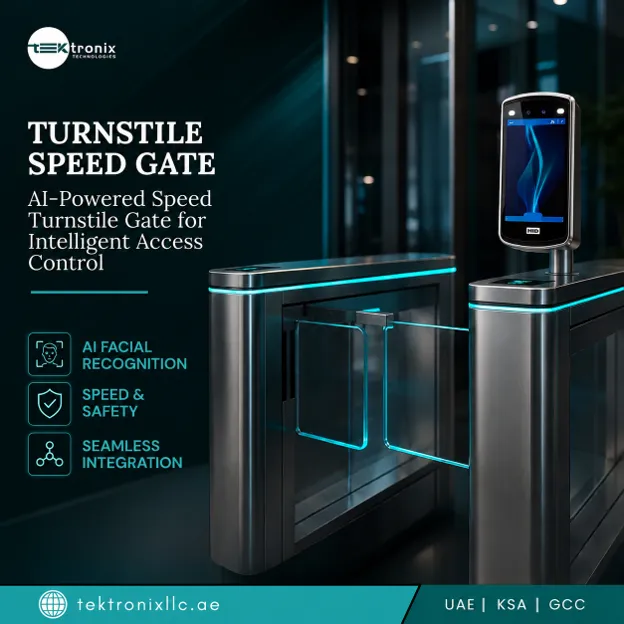

Turnstile Speed Gates have become the standard entry solution for offices, malls, metro stations, and industrial sites across the UAE. As Dubai and Abu Dhabi continue building denser, higher-traffic developments, facility owners are turning to modern turnstile speed gate solutions that combine fast, controlled pedestrian flow with strict identity verification at every entry point.
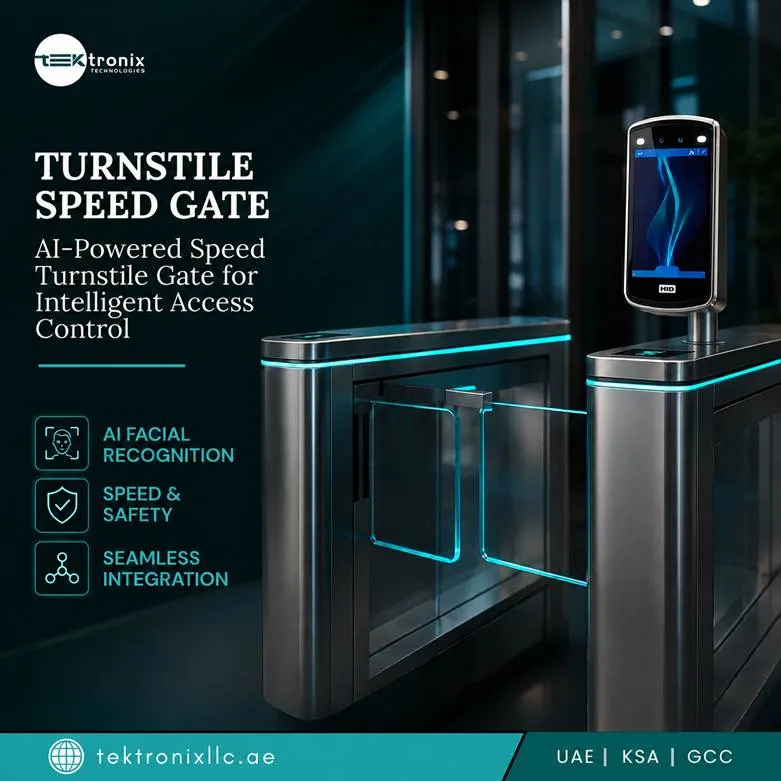
Choosing the right gate is not a one-size-fits-all decision. Lobby aesthetics, throughput requirements, security level, and integration with existing credentials all shape which turnstile type fits a given building. This guide walks through the main gate types available in the UAE market, where each performs best, and what to look for when specifying a system.
Why UAE Buildings Are Standardising on Turnstile Speed Gates
Dubai and Abu Dhabi's office towers, metro interchanges, and mixed-use developments now handle pedestrian volumes that a manned reception desk or manual barrier simply cannot manage safely. A speed gate automates that flow, verifying every credential in under a second while physically preventing tailgating — a gap in coverage that a human guard alone cannot reliably close during peak hours.
Insurers, landlords, and enterprise security policies increasingly expect a documented, tamper-resistant entry record for every building, and speed gates deliver that automatically as part of normal operation, without adding staff or slowing down legitimate traffic.
Turnstile Access Control: How the System Works
Turnstile Access Control ties the physical gate mechanism to a credential-verification layer — a card reader, biometric scanner, or mobile app — so the barrier only releases once an authorised identity is confirmed. The gate itself enforces single-person passage, meaning even a valid credential cannot be used to let a second, unauthorised person through in the same pass.
How a Typical Deployment Operates
- A user presents a credential — card, biometric, or mobile — at the reader mounted on the gate.
- The access-control system verifies the credential against the permissions database in real time.
- A confirmed match releases the barrier mechanism for a single pass.
- Sensors confirm only one person passed before the barrier resets and locks again.
- Every pass event is logged with a timestamp for reporting and audit purposes.
Comparing the Main Turnstile Gate Types
Different buildings and risk levels call for different hardware. Here is how the most common gate types compare.
Tripod Turnstile Gates
Tripod Turnstile Gates use a simple rotating three-arm barrier and are among the most cost-effective options for stadiums, factories, and staff entrances where a visible, robust deterrent matters more than a premium aesthetic.
Swing Barrier Turnstile Gates
Swing Barrier Turnstile Gates use glass or metal panels that swing open on verification, offering a sleeker look suited to corporate lobbies and hotels, along with easier accessibility for wheelchair users and visitors with luggage.
Full Height Turnstile Gates
Full Height Turnstile Gates extend from floor to ceiling like a rotating cage, making them the strongest physical deterrent available and a common choice for stadium perimeters, industrial compounds, and unmanned outdoor entrances.
Flap Barrier Turnstile Gates
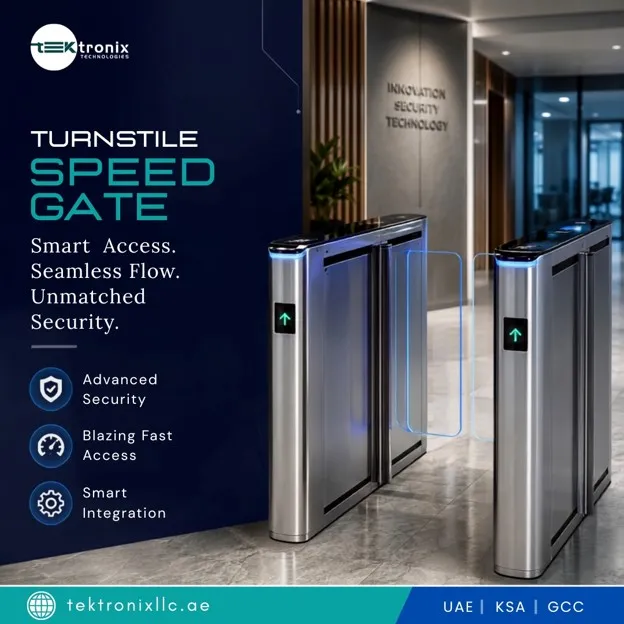
Flap Barrier Turnstile Gates use retractable panels that rise from the housing, combining a compact footprint with fast throughput, making them a popular choice for metro stations and high-traffic office lobbies across the UAE.
Smarter Verification: Facial Recognition & Biometric Turnstiles
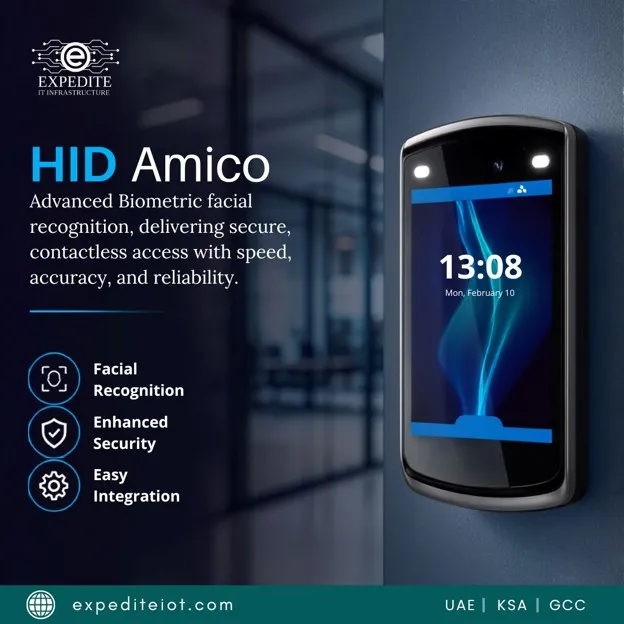
Credential verification has moved well beyond cards and PINs. Intelligent Facial Recognition Turnstiles identify an approaching person and release the gate before they even reach the reader, removing the pause of badging in and giving security teams a live identity log of every pass.
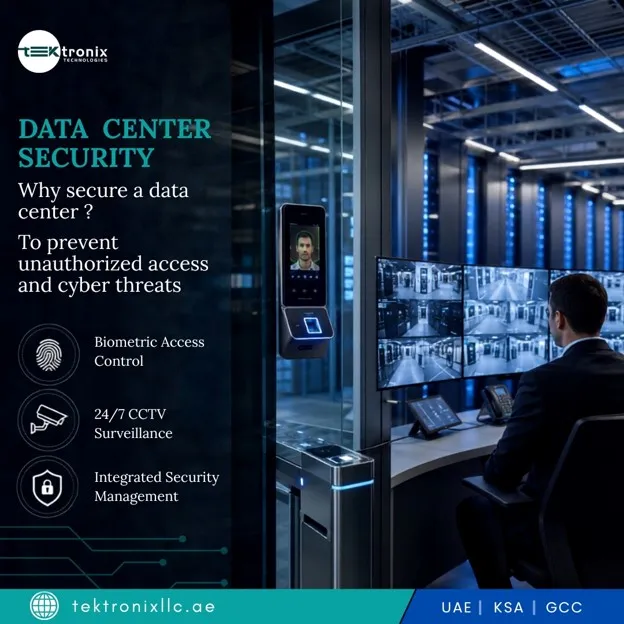
Biometric Turnstiles more broadly cover fingerprint, palm, and iris verification alongside facial recognition, giving facility owners a credential that cannot be lost, shared, or cloned the way a physical card can — a meaningful advantage for high-security zones such as server rooms and executive floors.
Turnstile Speed Gates UAE: Where Demand Is Concentrated
Turnstile Speed Gates UAE installations span corporate towers, metro and transport hubs, stadiums, universities, and industrial parks, with each sector favouring a different mix of gate type and verification method depending on throughput and security requirements. Government and transport authorities across the country have also driven broader adoption by specifying automated gate systems for public-facing infrastructure.
Turnstile Speed Gates Dubai: A Competitive, Fast-Moving Market
Turnstile Speed Gates Dubai deployments have grown quickly across the emirate's business districts, free zones, and transport network, as developers specify automated entry from the design stage to match tenant expectations for both security and a polished lobby experience. Dubai's dense commercial real estate market has made a fast, elegant gate system as much a branding decision as a security one.
Turnstile Speed Gates Abu Dhabi: Steady Institutional Growth
Turnstile Speed Gates Abu Dhabi adoption has been driven largely by government facilities, education campuses, and the emirate's expanding cultural and business districts, where documented, auditable entry control is often a baseline requirement rather than an optional upgrade.
Why Tektronix LLC Is a Trusted Turnstile Partner in the UAE
Tektronix LLC designs and installs turnstile and speed gate systems for offices, transport hubs, and industrial sites across the UAE. The team's engineers are trained on integrating gate hardware with card, biometric, and mobile credential systems into a single managed platform.
- Experience: deployment history spanning corporate, transport, and industrial turnstile projects across Dubai and Abu Dhabi.
- Expertise: certified engineers covering gate mechanics, biometric integration, and access-control software configuration.
- Authority: solutions built on established, internationally recognised turnstile and biometric hardware platforms.
- Trust: transparent site assessment, documented testing, and ongoing local support after installation.
Facility owners planning a rollout can review Tektronix LLC's turnstile speed gate solutions to see how gate type, verification method, and throughput requirements are scoped for their specific site.
Business Case: Throughput, Cost & Security ROI
Beyond security, automated gates reduce staffing costs at reception and entry points, since a single security officer can oversee several lanes instead of manually checking every credential. Faster, tailgating-resistant entry also shortens queues during peak arrival times, improving the experience for tenants, students, or passengers passing through the building each day.
Because most gate platforms integrate with existing access-control and biometric databases, adding turnstiles to an already-secured building is typically a hardware upgrade rather than a full system replacement, keeping rollout costs and disruption to a minimum.
Turnstiles Within the Wider Smart Building Ecosystem
Turnstile speed gates increasingly sit alongside visitor management, video surveillance, and fire and smoke detection as part of one connected security platform rather than a standalone device. A verified pass at the gate can trigger an elevator call, log a visitor's arrival, or feed an occupancy count used for emergency evacuation planning — giving facility teams a single, coordinated view of building activity instead of separate, disconnected systems.
Choosing the Right Gate for Your Building
- Estimate peak-hour pedestrian volume to size the number of lanes needed at each entrance.
- Match gate type to security level — tripod or flap for standard offices, full height for perimeters and unmanned sites.
- Confirm accessibility requirements, since swing barriers typically offer the easiest wheelchair and luggage access.
- Decide on verification method — card, mobile, or biometric — based on credential-management priorities.
- Plan integration with existing access control, visitor management, and fire-alarm release requirements.
Implementation Best Practices
- Run a lobby or entrance survey to confirm gate footprint, power, and network cabling routes.
- Pilot the chosen gate type at one entrance before a full multi-site rollout.
- Train reception and security staff on manual override and fire-egress procedures.
- Test biometric or facial recognition accuracy on-site before full enrolment.
- Schedule periodic maintenance to keep gate mechanisms and sensors operating reliably.
Conclusion
Turnstile Speed Gates and integrated Turnstile Access Control now define modern entry security across the UAE, replacing manual checks with fast, auditable pedestrian flow.
From Tripod Turnstile Gates and Swing Barrier Turnstile Gates to Full Height Turnstile Gates and Flap Barrier Turnstile Gates, the right hardware fits every lobby and risk level.
Paired with Intelligent Facial Recognition Turnstiles and Biometric Turnstiles, Turnstile Speed Gates UAE deployments across Turnstile Speed Gates Dubai and Turnstile Speed Gates Abu Dhabi are setting the new standard for secure, efficient building access.

























Sign in to leave a comment.