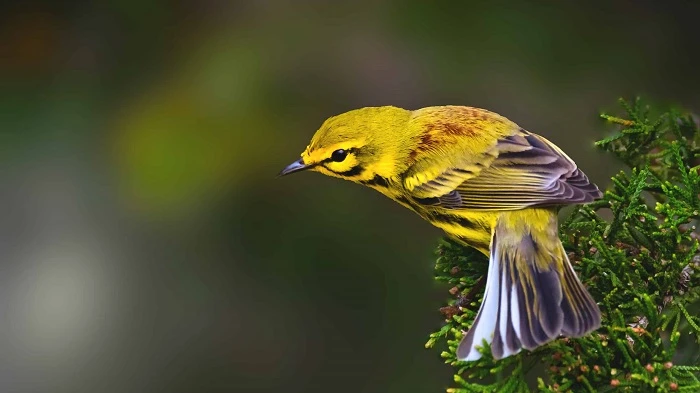

The presence of birds has always captured human imagination. Their ability to fly, migrate, and communicate through song has connected them to mystery, transformation, and the divine. Across cultures, birds have been seen as messengers between worlds, representing both spiritual insight and personal growth. Bird Symbolism is one of the most enduring aspects of human spirituality, expressing our longing for freedom, renewal, and guidance.
From ancient myths to modern dreams, birds have been portrayed as signs of change. Their movements mirror the rhythm of life—birth, migration, loss, and rebirth. People have watched birds to interpret omens, to understand the seasons, and to find meaning in personal experiences. Each species carries its own message, yet all share a connection to the idea of transition and spiritual awakening.
This article explores the deeper meanings behind Bird Symbolism, its cultural roots, and how it reflects humanity’s journey toward growth and change.
The Spiritual Roots of Bird Symbolism
Ancient Beliefs and the Language of the Sky
In many early societies, birds were believed to be sacred. They lived in the sky, a realm associated with gods and spirits. Ancient Egyptians viewed the falcon as a symbol of divine vision and protection. The god Horus, often shown with a falcon’s head, represented the sun and the power of kingship. To the Egyptians, a bird’s flight was more than natural movement; it was the soul’s ability to rise above earthly limits.
In Greece, birds played an important role in communication with the gods. The Greeks practiced augury—the reading of omens through the behavior of birds. The direction and type of flight were believed to reveal divine approval or warning. Similarly, in Rome, augurs interpreted bird calls and flight paths to decide political and military actions.
In these ancient cultures, Bird Symbolism reflected the idea that the heavens spoke through natural signs. Birds became messengers between humans and the divine, teaching that transformation and destiny were written not just in stars but also in the wings that crossed the sky.
Birds in Eastern and Indigenous Traditions
In Eastern philosophies, birds have often symbolized freedom from material attachment. In Hinduism, the Garuda—a bird-like creature—represents wisdom, power, and protection. It serves as the vehicle of Vishnu, one of the most important deities in Hindu belief. In Buddhism, birds symbolize the ability to transcend suffering and attain spiritual enlightenment.
Indigenous cultures across the Americas also hold birds as sacred symbols. The eagle, for instance, is seen as a link between humans and the Creator. Its flight carries prayers to the heavens. Among the Navajo, feathers are used in ceremonies to bring balance and healing. To many Native traditions, each bird teaches a different lesson. The raven teaches magic and transformation. The owl reveals truth and wisdom in darkness. The hummingbird represents joy, beauty, and the renewal of spirit.
These traditions show how Bird Symbolism connects deeply to cycles of growth, life, and change. Each bird becomes a teacher, offering insights into how humans can evolve spiritually and emotionally.
The Message of Change and Transformation
Flight as a Metaphor for Freedom
The flight of a bird is one of nature’s most profound symbols of transformation. When a bird spreads its wings and rises, it represents the soul’s desire to escape limitations. Flight suggests freedom, courage, and transcendence. In human life, it mirrors our wish to grow beyond our fears and past mistakes.
Watching birds migrate can remind us of the cycles of change we all experience. Birds travel vast distances, often guided only by instinct and the stars. They embody trust in nature and resilience in the face of uncertainty. Their journey mirrors human transformation—an act of faith, endurance, and the search for a new beginning.
In literature and art, flight often expresses a spiritual awakening. It is the moment when the individual breaks free from darkness or confusion and enters a clearer state of understanding. In this sense, Bird Symbolism becomes a metaphor for the soul’s progress through life’s trials toward a higher awareness.
The Symbol of Renewal and Rebirth
Birds also represent renewal. The changing of feathers, the migration of flocks, and the dawn chorus of spring all echo the cycles of death and rebirth. In many traditions, the phoenix is the most powerful expression of Bird Symbolism. It burns in its own fire and rises from its ashes, renewed and radiant. This ancient image teaches that destruction can lead to transformation, and endings often mark new beginnings.
For individuals, seeing or dreaming of birds during a time of challenge may symbolize recovery or inner healing. The bird becomes a sign that life continues, even after loss. It reminds us that our own growth often requires releasing what no longer serves us, just as a bird sheds old feathers to fly anew.
Cultural Perspectives on Growth and Guidance
Birds as Messengers of Spirit and Change
Throughout history, birds have been considered messengers from the spiritual realm. In Christian symbolism, the dove represents the Holy Spirit and peace. It is a sign of purity, hope, and divine love. The blackbird, on the other hand, often carries the message of mystery and the hidden self. It calls people to explore what lies beneath the surface of their lives.
In Celtic mythology, birds guide souls to the afterlife. They are both protectors and companions in the journey between worlds. Their song and movement express the rhythm of creation. For the Celts, birds were teachers of rhythm and renewal—reminders that life constantly flows, shifts, and renews itself.
In Chinese culture, cranes symbolize longevity and spiritual elevation. They are often seen as symbols of immortality, representing the soul’s ability to transcend physical boundaries. The swallow brings good fortune and signals the arrival of spring, marking the renewal of hope.
Across these traditions, Bird Symbolism carries a common theme: transformation through connection with the divine. The flight, the song, and the seasonal return of birds all remind humanity that growth and change are part of a larger, sacred order.
Personal Growth Reflected in Bird Symbolism
On a personal level, Bird Symbolism speaks to the soul’s evolution. A person may dream of a bird when standing on the edge of an important decision. The bird’s flight may symbolize courage to take that step. Seeing a bird soar high might inspire confidence, while seeing one perched quietly could suggest patience and contemplation.
Different birds often represent specific qualities. The eagle teaches strength and vision. The sparrow reminds us of simplicity and joy in small things. The crow, often misunderstood, represents transformation through wisdom and acceptance of life’s mysteries. The peacock embodies beauty and renewal, showing how self-expression can lead to growth.
These symbols remind us that nature communicates through subtle signs. To understand Bird Symbolism is to become more attentive to these messages. The movement of birds, their presence in dreams, or their calls in nature can all serve as reflections of our inner journey toward change and balance.
The Continuing Relevance of Bird Symbolism
Modern Interpretations and Psychological Insight
In modern psychology, Bird Symbolism still plays a vital role in understanding human emotions and transformation. Carl Jung viewed birds as symbols of the unconscious mind’s striving for freedom. They represented thoughts and desires that seek expression beyond rational boundaries.
Artists, poets, and filmmakers continue to use birds as metaphors for growth. Movies often show a bird in flight during moments of liberation or personal discovery. Paintings and songs use bird imagery to describe healing, love, and rebirth. This continued presence of Bird Symbolism shows that humanity’s fascination with flight and transformation remains timeless.
The Call to Awareness and Harmony
In an age of technology and environmental concern, birds also remind us of our connection to nature. Their migration patterns reflect the health of ecosystems. Their songs signal the balance of the natural world. When birds disappear from a place, it often means something in the environment is broken. Thus, Bird Symbolism now extends beyond personal spirituality into collective responsibility.
The spiritual meaning of birds invites people to live with awareness and respect. It teaches that growth does not only happen within the soul but also in how we care for the earth. Change, like flight, depends on harmony—between self and world, between spirit and nature.
Conclusion
Bird Symbolism continues to speak across cultures and generations. It reflects humanity’s search for meaning, freedom, and renewal. Birds remind us that change is natural, that growth often comes through movement, and that beauty can rise from uncertainty.
Through their songs and flight, they connect heaven and earth, body and spirit, the seen and the unseen. To understand Bird Symbolism is to listen to life’s rhythms and recognize that each transformation, no matter how small, brings us closer to wisdom and balance.
Birds, as symbols of change and growth, remain timeless guides. They remind us to rise above limitation, to trust in transformation, and to embrace the freedom of the soul’s eternal flight.























Sign in to leave a comment.