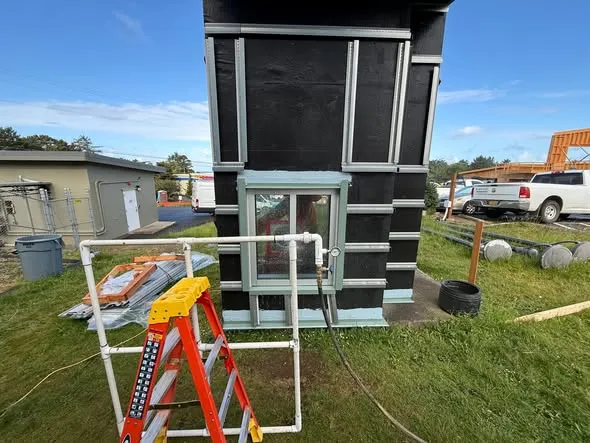

Modern buildings are expected to do more than provide shelter. They must maintain indoor comfort, support energy efficiency, protect against moisture issues, and comply with increasingly strict building codes. One of the most reliable ways to evaluate whether a building's air barrier system is performing as intended is through professional blower door testing.
At QED LAB INC, blower door testing is used to provide accurate, measurable data about how much air is entering or escaping through a building envelope. Whether the project involves new construction, a renovation, or code compliance verification, testing helps confirm that the air barrier system is functioning as designed and contributing to overall building performance.
What Is Blower Door Testing?
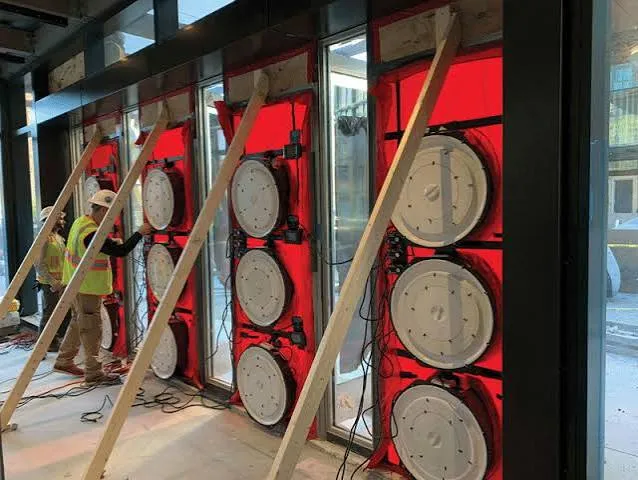
Blower door testing is a diagnostic procedure used to measure the airtightness of a building. During the test, a specialized fan is temporarily installed in an exterior doorway. The fan creates a pressure difference between the inside and outside of the building, allowing technicians to identify and quantify air leakage throughout the structure.
This process helps determine how effectively the air barrier system controls unwanted air movement through walls, ceilings, floors, windows, doors, and other building components.
The results provide building owners, contractors, architects, and developers with valuable information about the building's air leakage rate and overall envelope performance.
Why Air Barrier Performance Matters
An air barrier is designed to limit uncontrolled airflow between the interior and exterior of a building. When air barriers perform properly, they help maintain consistent indoor temperatures, improve energy efficiency, and reduce strain on heating and cooling systems.
Poor air barrier performance can contribute to:
- Increased energy consumption
- Higher utility costs
- Drafts and uneven indoor temperatures
- Moisture accumulation within building assemblies
- Reduced indoor air quality
- HVAC system inefficiencies
- Challenges meeting energy code requirements
Blower door testing helps identify these concerns before they become costly long-term issues.
How Blower Door Testing Works
The testing process follows recognized industry standards and is performed using calibrated equipment to ensure accurate results.
Building Evaluation
The testing team reviews the building design, construction stage, and project requirements to establish an effective testing approach.
Equipment Setup
A blower door fan and pressure monitoring equipment are installed in an exterior doorway to create controlled testing conditions.
Pressure Testing
The fan either pressurizes or depressurizes the building, allowing technicians to measure the volume of air moving through leaks in the building envelope.
Leakage Investigation
Using diagnostic tools such as smoke testing, pressure mapping, and infrared technology when appropriate, areas of air leakage can be identified throughout the structure.
Performance Analysis
Collected data is analyzed to determine the building's airtightness level and whether it meets applicable project goals, specifications, or energy code requirements.
Common Sources of Air Leakage
Even well-constructed buildings can experience air leakage when envelope details are not properly sealed or integrated.
Frequently identified leakage points include:
- Window and door assemblies
- Roof-to-wall connections
- Mechanical and HVAC penetrations
- Electrical and utility openings
- Foundation transitions
- Attic access locations
- Plumbing penetrations
- Expansion joints
- Building envelope interfaces
Locating and addressing these issues can significantly improve overall building performance.
Benefits of Professional Blower Door Testing
Improved Energy Performance
Reducing uncontrolled air leakage helps heating and cooling systems operate more efficiently, lowering energy use and operational costs.
Greater Indoor Comfort
A tighter building envelope helps maintain more consistent indoor temperatures while minimizing drafts and cold spots.
Better Moisture Management
Controlling air movement helps reduce the risk of condensation and moisture-related damage within wall and roof assemblies.
Support for Code Compliance
Many building projects require airtightness verification to demonstrate compliance with current energy and construction codes.
Construction Quality Verification
Testing confirms whether air barrier installation and building envelope details are performing as intended before project completion.
The Connection Between Blower Door Testing and Building Envelope Performance
Blower door testing plays an important role in evaluating the overall effectiveness of a building envelope. While visual inspections may identify obvious deficiencies, performance testing provides measurable data about how the envelope functions as a complete system.
This information can help project teams better understand:
- Air barrier continuity
- Building airtightness
- Thermal efficiency
- Moisture control performance
- Long-term durability expectations
By combining practical field experience with proven testing methodologies, QED LAB INC helps building owners, architects, contractors, and developers gain confidence in the performance of their projects.
When Blower Door Testing Is Most Valuable
During Construction
Testing before interior finishes are installed allows potential air leakage issues to be corrected more efficiently.
Prior to Occupancy
Final testing verifies that the building meets performance goals and required standards before it is occupied.
During Renovation Projects
Testing can assess existing conditions and measure improvements achieved through building upgrades.
Existing Building Assessments
Property owners often use blower door testing to investigate comfort concerns, excessive energy costs, or suspected building envelope deficiencies.
Partner with QED LAB INC for Reliable Air Barrier Verification
Accurate blower door testing requires specialized equipment, technical expertise, and a thorough understanding of building science principles. QED LAB INC provides professional testing services designed to help clients evaluate air barrier performance, identify air leakage pathways, and support energy-efficient building practices.
By verifying airtightness and building envelope performance, project teams can make informed decisions that contribute to long-term durability, occupant comfort, energy efficiency, and code compliance.

























Sign in to leave a comment.