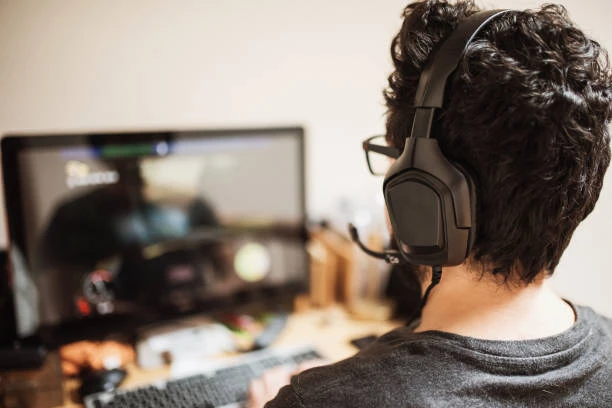

In the world of gaming peripherals, it’s easy to be seduced by flashy RGB, “7.1 surround sound,” and hefty price tags. But for many gamers—especially those on a tighter budget—the sweet spot lies in finding headsets that focus on the essentials: clear audio, reliability, comfort, and a decent microphone. You don’t need to break the bank to get a headset that serves well for competitive play, immersive single-player experiences, and multi-hour sessions.
Below are four standout models that offer strong value without sacrificing performance. Two from Audio-Technica (one closed, one open), and two from Beyerdynamic (closed and open hybrid options), these headsets show that a modest price tag doesn’t necessarily mean weak performance.
What Makes a “Budget” Headset Still High Quality?
Before we dive into these models, let’s set the bar. What should you expect (and demand) of a budget gamer headphones?
- Good driver design and frequency response — clarity in mids for voice, enough bass for immersion, and crisp treble for spatial cues.
- Comfort and build — replaceable pads or cables, secure but not overly tight clamping force.
- Functional mic — even if not studio grade, capable of voice chat without too much hiss or interference.
- Reliable wiring — detachable cables, standard connectors (3.5 mm TRRS or similar) for broader compatibility.
- No needless bloat — skip gimmicks like forced virtual surround or software that doesn’t add value.
With those in mind, here are four strong contenders.
Audio Technica ATH‑GL3 Closed‑Back Gaming Headset
Although it’s marketed as a headset, the Audio Technica ATH-GL3 is essentially a closed-back headphone with a detachable gaming mic. It’s often priced in the “budget plus” range, but reviewers agree it punches above its weight.
What works well:
- The sound profile is impressively balanced for its class, with decent bass, detailed mids, and adequate treble clarity.
- It includes swap-out cabling and a detachable microphone. You get both a PC-style split plug and a unified TRRS cable for console/portable use.
- The form factor is lightweight, which helps during extended sessions.
Trade-offs:
- The headband lacks padding and can feel uncomfortable after a while.
- As is common with closed-back designs, heat buildup and isolation tradeoffs exist (you get more isolation, but less openness in sound).
- Build materials lean toward plastic; creaking and flex are mentioned in reviews.
Best use case: If you game in quieter rooms or want more isolation (e.g. shared space), the closed-back nature helps block ambient noise. This is a solid all-rounder for price-sensitive gamers.
Audio Technica ATH‑GDL3 Open‑Back Gaming Headset
The Audio Technica ATH-GDL3 (sometimes called “Air” in Audio-Technica’s line) is the open-back complement to the GL3. It shares a lot of hardware (drivers, controls, mic) but offers a different acoustic experience.
What works well:
- The soundstage and imaging are more expansive, giving a more natural, airy presentation. Open-back designs generally shine in giving more spatial cues.
- Comfort is slightly improved, as leakage helps audio not feel “locked in,” and the design puts slightly less pressure.
- It retains the same detachable mic and cables, ensuring you don’t lose utility.
Trade-offs:
- Sound leakage is expected: those nearby may hear what you’re listening to, and external noise will also influence your perception.
- In noisier rooms, the open design might reduce clarity. The closed GL3 might outperform in louder ambient settings.
Best use case: If you game in a quiet environment and want more spatial fidelity—especially for titles that benefit from wide imaging (RPGs, immersive adventure, or tactical shooters)—the GDL3 is a compelling pick.
Beyerdynamic “MMX 100” Gaming Headset
Beyerdynamic MMX100 is a well-recognized name in budget gaming circles, bridging Beyerdynamic’s audio expertise into the gaming space.
What works well:
- Many gamers praises it for “impressive sound quality” and a microphone that is better than expected for the price.
- The design is straightforward—no bells and whistles—letting it keep costs low while focusing on fundamentals.
- The MMX 100 is often compared to its sibling (TYGR 300 R) in that it offers stronger bass and a closed-ish acoustic feel.
Trade-offs:
- The bass is somewhat subdued compared to typical “gaming headset” curves, which may disappoint lovers of heavier low end.
- It’s not flashy—no software suite, no RGB, but that’s by design.
Best use case: For gamers who prioritize mic clarity and reliable performance over gimmicks, the MMX 100 offers excellent value. If you find one used or discounted, it might give many modern headsets a run for their money.
Beyerdynamic TYGR 300 R Gaming Headphones
The Beyerdynamic TYGR 300 R is essentially Beyerdynamic’s open-back gaming offering (sometimes bundled as part of the “Team TYGR” pack). It combines Beyerdynamic’s driver and acoustic know-how with some gaming-focused tweaks.
What works well:
- It boasts strong imaging and spatial cues, thanks to open-back design and high driver fidelity.
- Build and comfort are often lauded: velour pads, metal headband structure, and a balanced clamp.
- It’s relatively easy to drive (low impedance) so it works well with many devices.
Trade-offs:
- The cable is non-detachable, which is unusual at this tier.
- As with most open-backs, there’s sound leakage and external noise sensitivity.
- The bass doesn’t go extremely deep, so for bass-heads this might feel a bit “light” in the sub-bass region.
Best use case: For those in quiet spaces seeking a natural, engaging audio experience—especially in single-player or role-playing games—the TYGR 300 R is a top-tier value in the open-back class.
Here are some additional tips:
- Check local pricing and availability. What’s “budget” in one market may be mid-tier in another.
- Pad / cable replacements matter. The longer a headset lasts the more value it gives. Both brands tend to have spare parts available.
- Try open vs closed in person if possible. The difference in “feel” can be significant.
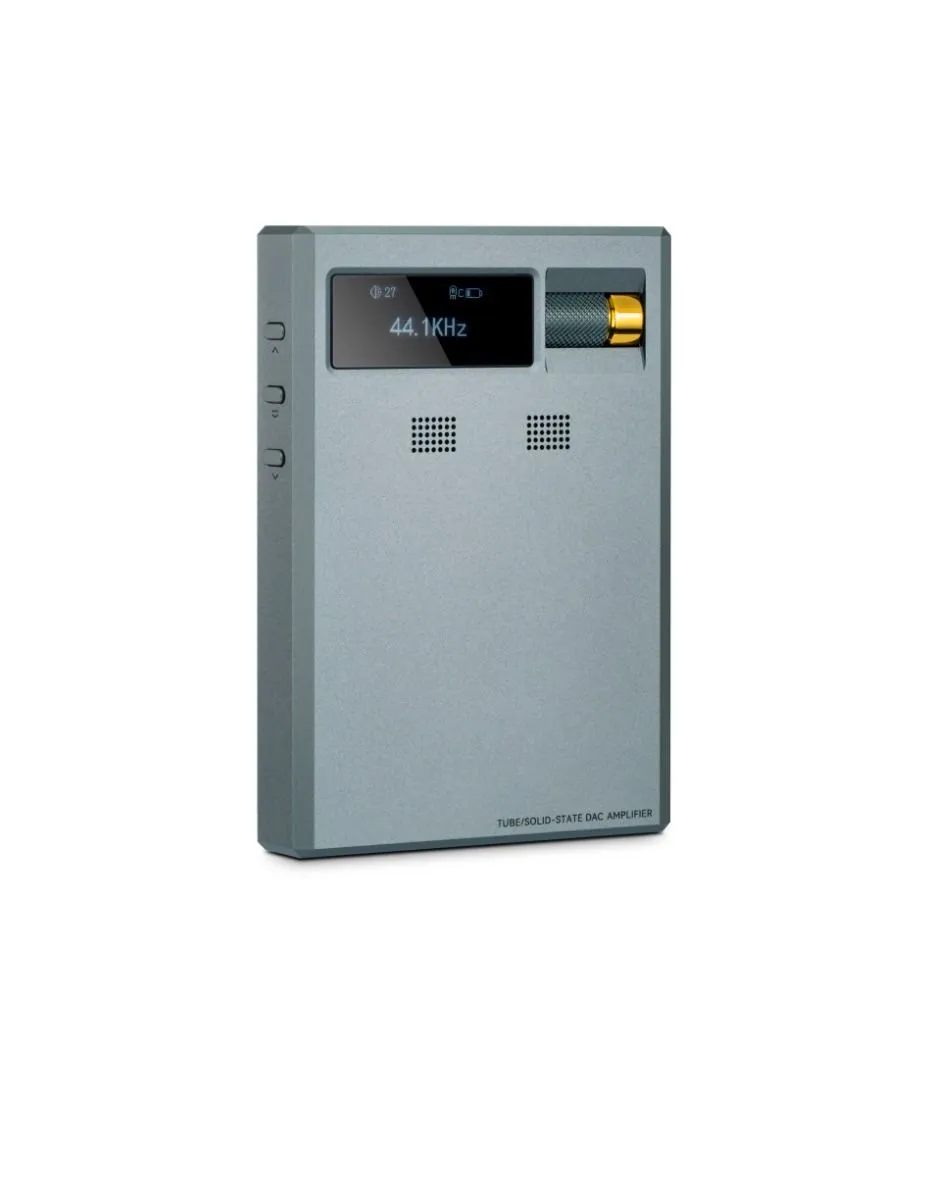
- Use decent amplification when possible. Even though these are low to moderate impedance, a clean amplifier or DAC can help especially with open backs.
- Don’t let RGB or marketing fool you. Focus on driver quality, comfort, and practical features.
Conclusion
Gaming headsets don’t have to be expensive to sound good. The Audio-Technica ATH-GL3 offers a compelling closed-back option with strong value, while its sibling ATH-GDL3 opens up to a more expansive soundstage. From Beyerdynamic, MMX 100 brings a dependable and mic-friendly experience in a simple package, and TYGR 300 R pushes into high-fidelity open sound for those willing to trade some isolation for immersion.
Each of these models brings something unique, but all strike a balance: you won’t find flashy gimmicks, but you’ll find solid drivers, decent mics, and an honest approach to audio. That’s precisely what you want when you demand quality without overspending.

























Sign in to leave a comment.