
For musicians and performers, monitoring your sound accurately is crucial—whether you’re in the recording studio, rehearsing with your band, or performing live on stage. Traditionally, stage monitors and over-ear studio headphones have been the go-to solutions, but over the past two decades, in-ear headphones (often called in-ear monitors or IEMs) have become the preferred choice for many artists.
If you’re new to in-ear headphones, this guide will walk you through everything you need to know: what they are, why they matter, key features to look for, and recommendations to help you get started.
What Are In-Ear Headphones for Musicians?
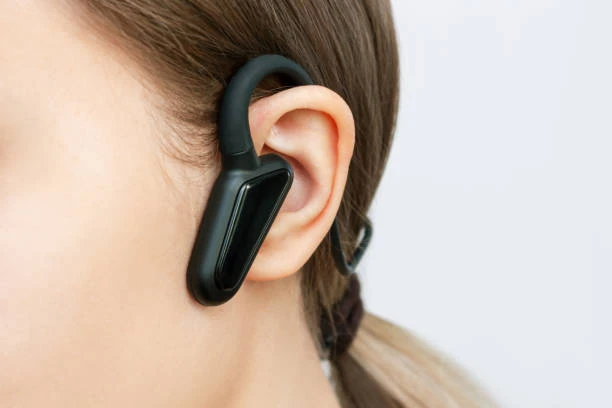
Unlike standard consumer earbuds, in ear headphones for musicians are designed with performance in mind. They fit snugly into your ear canal, providing a secure fit and excellent noise isolation. Many professional models are custom-molded for the performer’s ears, ensuring maximum comfort and sound clarity.
These headphones deliver direct, isolated sound to the musician, eliminating much of the background noise and preventing stage bleed. That means you can hear your vocals, instruments, or backing tracks with greater accuracy—even in loud environments.
Why Musicians Choose In-Ear Headphones
1. Improved Sound Clarity
IEMs provide a more controlled and precise audio mix than stage wedges or over-ear headphones. This is particularly valuable for vocalists and instrumentalists who rely on hearing subtle details.
2. Noise Isolation
With tight ear seals, in-ear headphones block external noise, allowing musicians to hear themselves clearly without cranking up the volume. This helps protect hearing health over time.
3. Mobility on Stage
Unlike floor monitors that lock you into one spot, in-ear headphones move with you, giving performers the freedom to roam the stage without losing sound quality.
4. Hearing Protection
Because they isolate sound, IEMs allow you to keep monitoring levels lower, reducing the risk of hearing damage—a serious concern for professional musicians.
5. Personalized Mixes
With IEM systems, performers can often control their own monitor mix, ensuring they hear exactly what they need without relying solely on the sound engineer.
Key Features to Look For
When shopping for in-ear headphones as a beginner, consider the following factors:
1. Fit and Comfort
The fit is crucial for both isolation and comfort during long performances. Beginners can start with universal-fit IEMs that use silicone or foam tips in various sizes. As you progress, custom-molded IEMs made from ear impressions provide the best fit.
2. Sound Signature
Different IEMs are tuned differently. Some have a flat, neutral response ideal for mixing and critical listening, while others emphasize bass or vocals. Musicians should choose headphones that best match their role—for example, vocalists may want clarity in the midrange, while drummers may prefer punchy bass.
3. Driver Types
In-ear headphones use drivers to produce sound, and the type affects performance:
- Dynamic drivers: Great bass response and durability.
- Balanced armature drivers: Excellent detail and clarity, often used in multi-driver setups.
- Hybrid models: Combine both for a balanced sound.
4. Noise Isolation vs. Noise Cancellation
Most IEMs use passive isolation (physical ear sealing) to block external sound. Active noise cancellation (ANC) is less common in professional IEMs but may be useful for practice or travel.
5. Wired vs. Wireless
- Wired IEMs are standard in studios and live stage setups for reliability.
- Wireless IEM systems allow complete freedom of movement on stage, but require transmitters and receivers.
6. Durability
Musicians’ gear needs to withstand heavy use. Look for sturdy cables (preferably detachable), reinforced housings, and sweat-resistant designs if you perform live.
Beginner-Friendly In-Ear Headphones for Musicians
Here are some excellent starting points for beginners:
1. Shure SE215
A staple for beginner musicians, the Shure SE215 offers a solid sound with great isolation, detachable cables, and durable design at an affordable price.
2. Audio-Technica ATH-E40
Featuring dual-phase push-pull drivers, the Audio-Technica ATH-E40 delivers clarity and robust bass, making it a versatile option for performers.
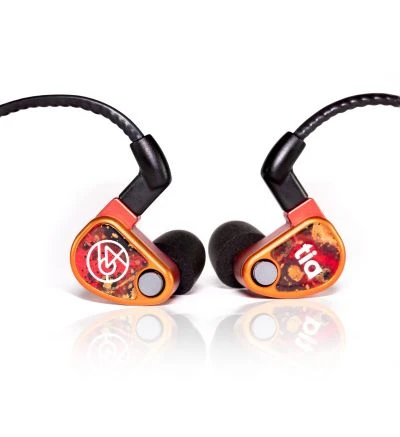
3. 64 Audio U4s 4 Driver Hybrid Universal In-Ear Monitor
The 64 Audio U4s strikes a balance between professional-grade performance and beginner accessibility. Featuring a hybrid design with four drivers, it delivers rich bass, smooth mids, and detailed highs. With ergonomic fit and durable build, it’s a great step-up option for beginners who want to invest in quality gear that will also grow with them as their career advances.
Best for: Beginners ready to move beyond entry-level IEMs into a more professional sound experience.
4. Ultimate Ears UE 150 Universal In-Ear Monitor
The Ultimate Ears UE 150 is built for performers who want reliable sound and comfort without diving straight into high-end custom models. Known for its warm, balanced sound signature and universal fit, the UE 150 offers excellent noise isolation and stage-ready durability.
Best for: Vocalists and instrumentalists who want a dependable and comfortable IEM with professional credibility at a beginner-friendly level.
Tips for Getting Started with In-Ear Headphones
Experiment with Ear Tips
The right ear tip size makes all the difference for both comfort and isolation. Try foam tips for maximum seal or silicone for durability.
Don’t Ignore Hearing Safety
Even with isolation, don’t turn the volume up too high. Musicians should invest in professional monitoring systems that allow safe sound levels.
Work with a Sound Engineer
If you’re performing live, your sound engineer can help set up personal mixes through IEMs, ensuring balance between instruments and vocals.
Practice with Them
Get used to the feel and sound of IEMs during rehearsals before taking them on stage. The isolation can feel strange at first but becomes second nature over time.
Keep Spares Handy
Always carry extra cables, ear tips, or even a backup set of IEMs in case something goes wrong mid-performance.
Common Challenges Beginners Face
- Feeling “cut off” from the audience or environment – Since IEMs isolate sound, some performers feel disconnected. Solutions include using ambient mics or transparency modes.
- Cost – Professional IEMs and wireless systems can be expensive, but beginners can start small and upgrade later.
- Fit issues – Poorly fitting earphones can lead to discomfort and poor sound isolation. Investing in better tips or custom molds solves this.
Final Thoughts
In-ear headphones are game-changers for musicians and performers. They offer superior clarity, mobility, and protection compared to traditional stage monitors. While the transition may take some adjustment, the benefits far outweigh the challenges, especially for those serious about their music.
For beginners, starting with reliable universal-fit models like the Shure SE215, Sennheiser IE 100 Pro, or Audio-Technica ATH-E40 is a smart move. Over time, as your needs grow, you can explore custom-molded IEMs and wireless monitoring systems.
Ultimately, choosing the right in-ear headphones is about balancing comfort, sound quality, and practicality for your performance environment. With the right pair, you’ll not only hear your music better—you’ll perform better too.

























Sign in to leave a comment.