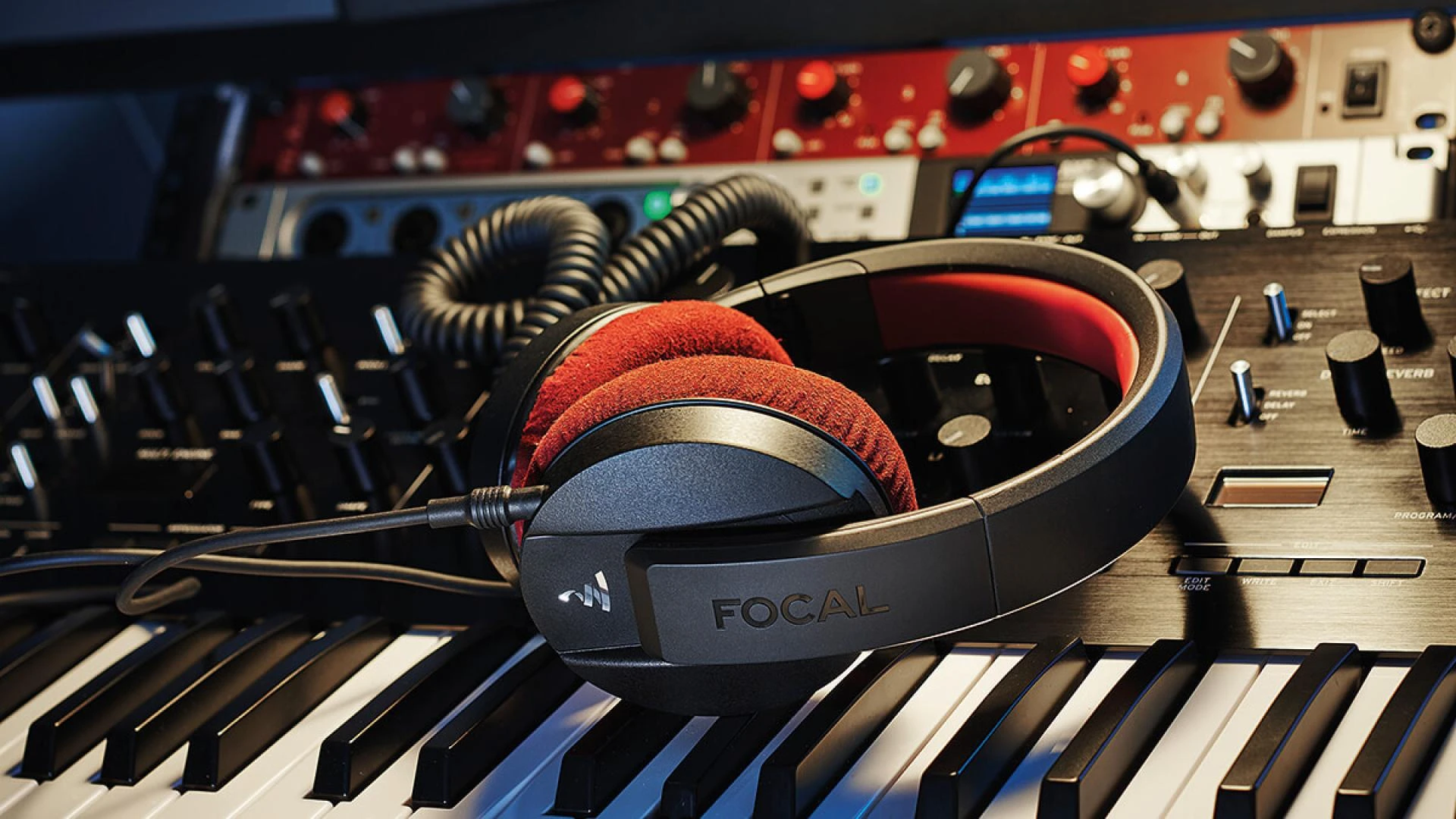

In the world of professional music, DJs rely heavily on their headphones. Headphones are not just a listening device—they’re an essential tool that helps DJs prepare tracks, sync beats, and deliver flawless live performances. Over the years, headphone technology has advanced significantly, with one of the most notable innovations being noise-cancelling technology.
While this feature is often associated with travel and casual listening, its role in DJ headphones is more complex and nuanced.
What Is Noise-Cancelling Technology?
Noise-cancelling technology works by reducing unwanted background sounds, allowing listeners to focus on their music without distraction. There are two main types:
- Passive Noise Isolation
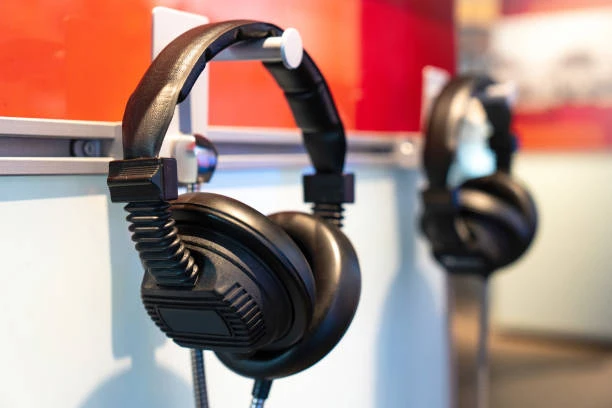
- Achieved through the physical design of headphones, such as thick ear padding or closed-back cups, which block out external sounds naturally.
- Common in DJ headphones, as they’re designed to seal the ear and keep out club or festival noise.
- Active Noise Cancellation (ANC)
- Uses built-in microphones to capture ambient sounds.
- The system generates sound waves that are the “inverse” of the noise, effectively cancelling it out.
- More common in consumer-grade headphones, though it’s increasingly being adopted in professional audio gear.
For DJs, who perform in loud environments, the promise of clearer, undisturbed monitoring sounds appealing. But the reality is a little more complicated.
The Impact of Noise-Cancelling Technology on DJ Headphones
1. Improved Focus in Loud Environments
DJ booths are often set in noisy, chaotic environments. The crowd, the venue’s speakers, and even vibrations from the stage can make it difficult to monitor mixes accurately. Noise-canceling technology can reduce the intrusion of external noise, allowing DJs to hear the finer details of their tracks—kick drums, basslines, and hi-hats—with greater clarity.
This can be particularly useful for mobile DJs, who often perform in venues with inconsistent sound systems, or for DJs in large festivals where the sound intensity is overwhelming.
2. Lower Listening Volumes and Ear Protection
Without noise cancellation, DJs tend to turn up the volume to overcome the loud environment. Over time, this can contribute to hearing damage, tinnitus, or overall ear fatigue.
Noise-cancelling headphones help DJs monitor at lower volumes by cutting down on the surrounding noise. This is a significant advantage for professionals who spend hours performing and need to preserve their hearing health for long-term careers.
3. Potential Sound Alterations
One of the main criticisms of active noise cancellation is that it can alter sound quality. Some ANC systems slightly color the audio, reducing clarity in high frequencies or creating a subtle “pressure” sensation in the ears.
For DJs, who require precision in hearing every frequency to align beats and transitions, this can pose challenges. A bass-heavy ANC response may mask the treble, while overly aggressive cancellation may flatten the dynamic range.
This is why many professional DJ headphones prioritize passive isolation instead of ANC. Passive noise-blocking ensures the sound signature remains neutral and accurate, which is crucial for mixing.
4. Battery Dependency
Unlike traditional DJ headphones, ANC headphones require power—usually via rechargeable batteries. If the battery runs out mid-performance, the noise-cancelling feature stops working, which could affect monitoring in a noisy venue.
This dependency makes ANC headphones less practical for DJs who value reliability. Professional headphones are expected to work consistently, with minimal risk of interruption.
5. Weight and Comfort Considerations
Active noise-cancelling headphones often come with additional circuitry and battery components, making them heavier than standard DJ headphones. For DJs who wear headphones for extended sets, this can cause discomfort, particularly around the head and neck.
Comfort is a top priority in DJ gear, which is why many DJs opt for lightweight, ergonomically designed headphones that balance durability with ease of use.
Advantages of Noise-Cancelling DJ Headphones
- Clearer monitoring: Helps isolate the mix from background noise.
- Reduced ear fatigue: DJs don’t need to blast volume to hear properly.
- Versatility: Can double as travel headphones for flights and commuting.
- Hearing protection: Long-term benefit for DJs concerned about hearing loss.
Drawbacks of Noise-Cancelling DJ Headphones
- Altered sound signature: ANC can compromise audio accuracy.
- Battery reliance: Risk of running out during a performance.
- Heavier build: Less comfortable for long sessions.
- Higher cost: Typically, more expensive than passive-isolation DJ headphones.
Should DJs Use Noise-Cancelling Headphones?
The answer depends largely on the DJ’s style, environment, and personal preference.
- Best for Travel and Preparation: Noise-cancelling headphones are fantastic for travel, allowing DJs to prepare sets or listen to music without distractions on flights or in noisy environments.
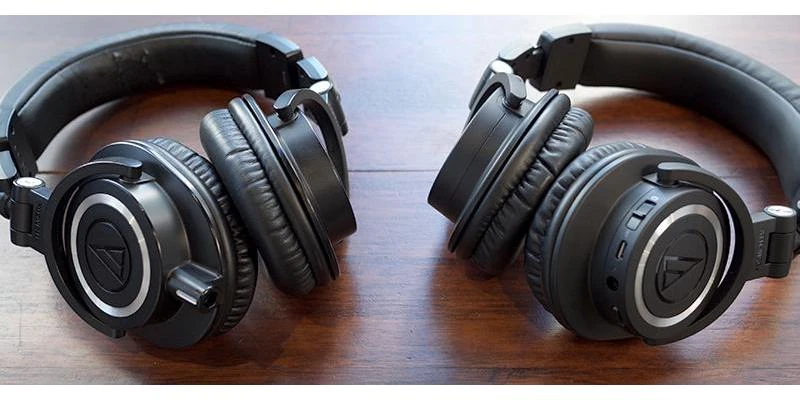
- Not Always Ideal for Live Mixing: In the booth, passive noise isolation often outperforms ANC for reliability and audio accuracy. Most professional DJ headphones (like the Sennheiser HD 25, or Audio-Technica ATH-M50x) focus on strong passive isolation, durability, and precise sound rather than ANC.
- Great for Hybrid Use DJs: Some DJs who also produce music or travel frequently might find value in having one pair of headphones with ANC for daily use and another pair optimized for live performance.
The Future of Noise-Cancelling in DJ Headphones
As technology evolves, manufacturers are improving ANC systems to minimize sound coloration and latency. With innovations in digital signal processing, it’s possible that future DJ headphones could integrate customizable ANC modes, allowing DJs to choose how much external noise to block without sacrificing accuracy.
Additionally, hybrid designs that combine strong passive isolation with optional ANC could become more common, offering the best of both worlds. For now, though, most professional DJs continue to rely on high-quality, closed-back, passive-isolation headphones as their primary tool.
Final Thoughts
Noise-cancelling technology has revolutionized how we listen to music, and its impact on DJ headphones is both promising and complex. While ANC can enhance focus, reduce ear fatigue, and protect hearing, it also introduces challenges such as altered sound signatures, reliance on batteries, and reduced reliability in live settings.
For DJs, accuracy and reliability are paramount. That’s why many still prefer traditional passive-isolation headphones for performances, while reserving noise-cancelling models for travel, preparation, or casual listening.
Ultimately, the best approach may be to view noise cancellation as a complementary tool rather than a replacement for professional DJ headphones. As the technology continues to improve, we may see it play a bigger role in the future of DJ gear.


























Sign in to leave a comment.