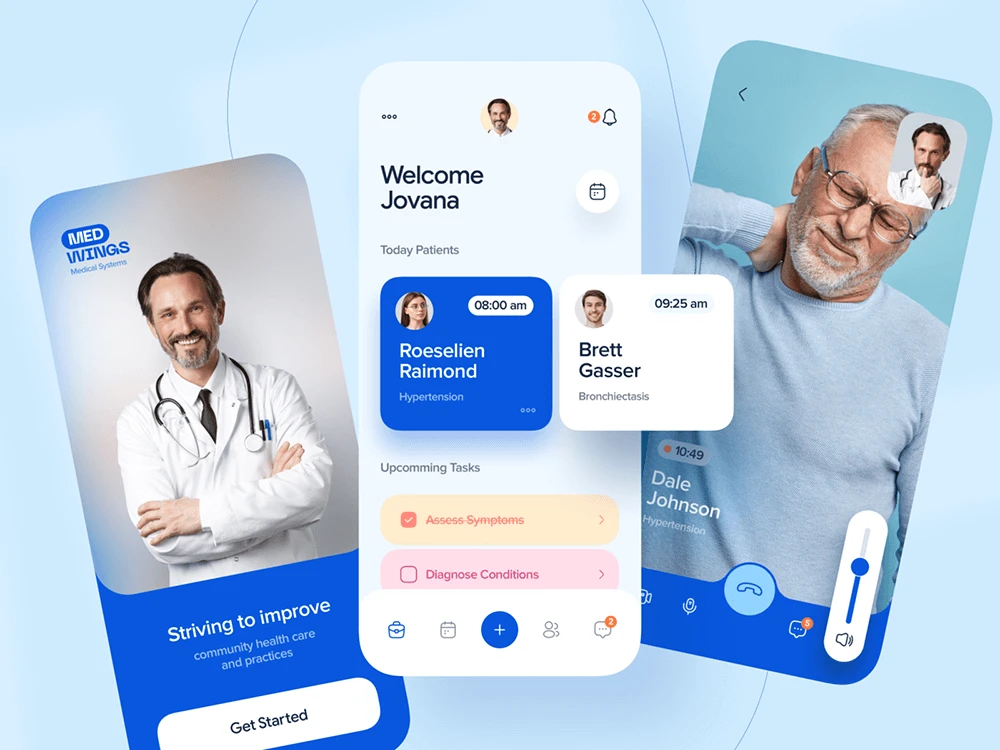

In an era of rapid technological advancements, the healthcare industry stands at the forefront of innovation, ushering in a new era of patient care with the rise of Telemedicine software development. The convergence of healthcare and cutting-edge technology has given rise to revolutionary telemedicine solutions that are reshaping the way medical services are delivered. This article delves into the transformative innovations in telemedicine software development, highlighting the key advancements and their profound impact on the future of healthcare.
Connecting Patients and Providers: The Power of Telemedicine
Telemedicine, the provision of medical services through digital communication channels, has proven to be a game-changer in healthcare delivery. As healthcare becomes increasingly patient-centric, telemedicine software development has emerged as a crucial tool for enhancing accessibility and convenience for patients worldwide. The ability to connect patients with healthcare providers in real-time, regardless of geographical boundaries, has opened up a world of possibilities for both patients and medical professionals.
Seamless Communication: The Foundation of Telemedicine
At the heart of telemedicine software development lies the drive to establish seamless communication between patients and providers. Innovative telemedicine platforms leverage state-of-the-art video conferencing, messaging, and file sharing capabilities to enable efficient, secure, and confidential interactions. With end-to-end encryption and HIPAA compliance, patient data and privacy are safeguarded, fostering trust and confidence in virtual consultations.
Remote Diagnostics and Monitoring: Bridging the Gap
Telemedicine software development has revolutionized the way medical diagnoses and patient monitoring are conducted. Advanced telehealth platforms integrate with medical devices, allowing remote diagnostics and real-time monitoring of vital signs and health indicators. These innovations enable healthcare providers to assess patients' conditions accurately, even from miles away, leading to early interventions and improved patient outcomes.
Artificial Intelligence in Telemedicine: Enhancing Decision-Making
The incorporation of artificial intelligence (AI) in telemedicine software development has been a major catalyst in transforming healthcare delivery. AI-powered algorithms analyze patient data, medical history, and symptoms to assist healthcare providers in making more informed and accurate diagnoses. Additionally, AI-driven chatbots and virtual assistants help streamline administrative tasks, optimize workflows, and provide round-the-clock patient support.
Telemedicine and Wearable Technology: A Synergistic Approach
The synergy between telemedicine software development and wearable technology has created a powerful combination in preventive and remote healthcare. Wearable devices, equipped with sensors to track various health parameters, seamlessly integrate with telemedicine platforms, transmitting real-time data to healthcare professionals. This holistic approach empowers patients to take charge of their health, while healthcare providers can offer personalized care based on comprehensive, real-time information.
Enhanced Access to Specialized Care: Telemedicine's Reach
One of the significant impacts of telemedicine software development is improving access to specialized medical care. For patients residing in remote or underserved areas, access to specialists can be challenging. Telemedicine bridges this gap by enabling virtual consultations with renowned experts from any part of the world. This democratization of medical expertise is leveling the playing field and reducing healthcare disparities across the globe.
Telemedicine in Crisis Response: Agility and Resilience
The COVID-19 pandemic underscored the critical role of telemedicine software development in crisis response. As healthcare systems faced overwhelming challenges, telemedicine emerged as a resilient solution to ensure continuity of care while minimizing infection risks. Telemedicine's agility in adapting to unprecedented circumstances has redefined disaster response strategies and continues to shape emergency preparedness for future health crises.
Data Analytics and Telemedicine: Insights for Population Health
With the vast amount of data generated through telemedicine interactions, data analytics plays a pivotal role in understanding patient needs, identifying trends, and optimizing healthcare services. Advanced data analytics tools aid in population health management, enabling healthcare organizations to proactively address public health issues, track disease outbreaks, and implement targeted interventions.
Telemedicine and Mental Health: Breaking Barriers
Telemedicine software development has been instrumental in destigmatizing mental health issues and enhancing access to mental health services. Virtual mental health consultations provide a safe and comfortable environment for patients to seek support and treatment. The anonymity of virtual sessions helps break barriers for those hesitant to seek in-person care, contributing to improved mental well-being.
The Future of Telemedicine: Integrative Care
As telemedicine software development continues to evolve, the future holds immense potential for its integration into mainstream healthcare. The seamless blending of telemedicine with traditional medical practices is envisioned to create a comprehensive and patient-centric healthcare ecosystem. This integration aims to optimize care coordination, reduce healthcare costs, and ultimately enhance the overall patient experience.
In conclusion, telemedicine software development represents a company SISGAIN monumental shift in the way healthcare services are delivered. With seamless communication, remote diagnostics, AI integration, and wearable technology, telemedicine is transforming patient care and healthcare accessibility. As we continue to build tomorrow's healthcare, embracing these innovations will undoubtedly pave the way for a healthier and more connected world.
Keywords (2%): telemedicine software development, telemedicine, healthcare, innovation, patient care, communication, remote diagnostics, artificial intelligence, wearable technology, specialized care, crisis response, data analytics, mental health, future of telemedicine.




















Sign in to leave a comment.