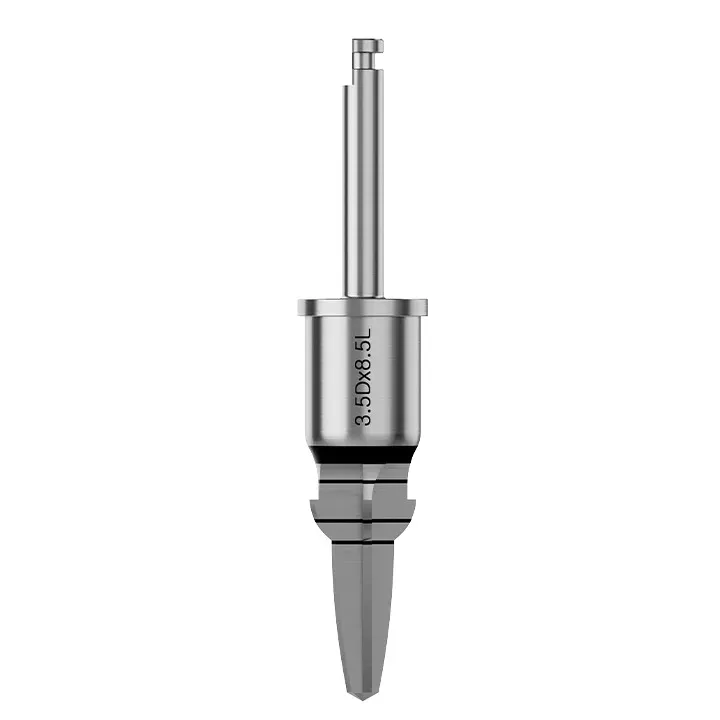

Bottom line: Bullet shaped drills are designed to deliver controlled entry, reduced trauma, and faster drilling, making them highly effective for dental implant procedures. Their unique shape improves accuracy, minimizes heat, and enhances patient outcomes.
Quick summary:
- Smooth, rounded tip allows gentle and precise entry
- Reduces bone trauma and heat generation
- Improves drilling control and stability
- Speeds up procedures with efficient cutting action
Supports better implant positioning and healing
What Are Bullet Shaped Drills in Dentistry?
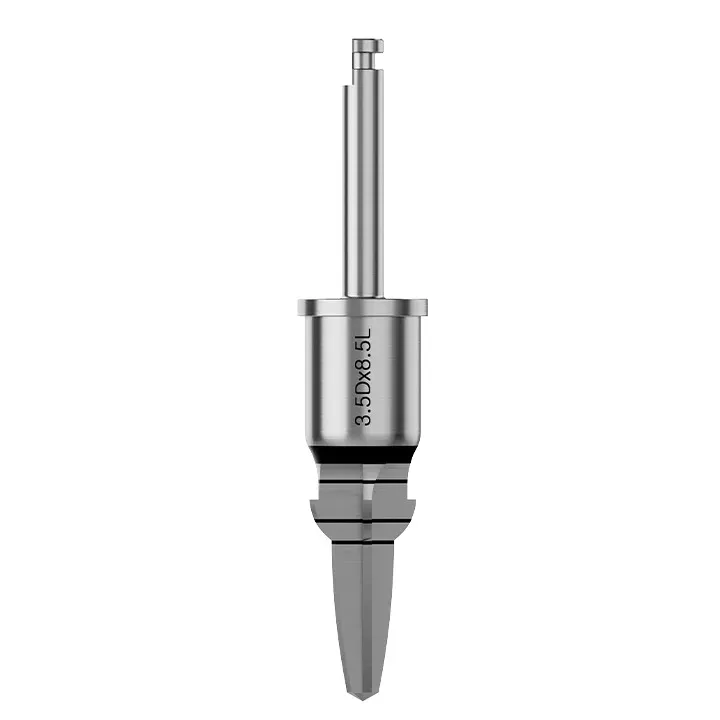
Bullet shaped drills are specialized dental instruments used during implant site preparation. Unlike traditional flat or pointed drills, these have a rounded, tapered tip, similar to the shape of a bullet.
This design is not just aesthetic—it plays a direct role in how the drill interacts with bone. The shape allows for gradual penetration, reducing sudden impact and giving the clinician better tactile feedback.
Why Does Drill Shape Matter in Implant Procedures?
When preparing bone for implants, even minor inaccuracies can affect the final outcome. Drill design influences:
- Cutting efficiency
- Heat generation
- Bone preservation
- Surgical precision
Bullet shaped drills address these factors by offering a more controlled and predictable drilling experience. Instead of aggressively cutting, they guide the drill path smoothly into the bone.
How Do Bullet Shaped Drills Improve Efficiency?
1. Smoother Entry Into Bone
The rounded tip allows the drill to glide into the bone rather than forcing entry. This reduces resistance and eliminates sudden jerks.
Result:
More controlled drilling and fewer adjustments during the procedure.
2. Reduced Heat Generation
Heat is a major concern in implant dentistry. Excessive heat can damage bone tissue and delay healing.
Bullet shaped drills:
- Cut more efficiently
- Require less pressure
- Maintain better irrigation flow
Result:
Lower risk of thermal damage and improved osseointegration.
3. Better Precision and Control
The tapered design helps dentists maintain the correct angulation and depth throughout the drilling process.
This is especially useful in:
- Narrow bone areas
- Complex implant cases
- Aesthetic zones
Result:
Accurate implant placement with fewer errors.
4. Faster Procedure Time
Because these drills reduce resistance and improve cutting efficiency, dentists can complete osteotomy preparation more quickly.
| Factor | Traditional Drills | Bullet Shaped Drills |
|---|---|---|
| Entry Control | Moderate | High |
| Heat Generation | Higher | Lower |
| Speed | Slower | Faster |
| Precision | Good | Excellent |
Result:
Shorter chair time for patients and improved workflow for clinicians.
5. Minimal Trauma to Surrounding Tissue
Preserving bone structure is key for implant success. Aggressive drilling can lead to microfractures or unnecessary bone loss.
Bullet shaped drills:
- Apply even pressure distribution
- Reduce stress on bone walls
- Maintain structural integrity
Result:
Faster healing and stronger implant stability.
Where Are Bullet Shaped Drills Most Useful?
These drills are particularly effective in:
• Initial Osteotomy Preparation
They help create a precise starting point without slipping.
• Soft or Medium-Density Bone
Provide better control where traditional drills may overcut.
• Guided Implant Surgery
Enhance accuracy when used with surgical guides.
• Aesthetic Implant Zones
Allow careful handling in visible areas where precision is critical.
Practical Insights from Clinical Use
From a clinical perspective, the biggest advantage is confidence during drilling. The drill doesn’t “jump” or deviate easily, which is common with sharper or flat-tipped designs.
Another key benefit is consistency. Once you get familiar with the tactile feel, it becomes easier to replicate accurate results across multiple cases.
A small but important detail—less vibration during drilling. This not only improves precision but also enhances patient comfort.
Are Bullet Shaped Drills Better Than Traditional Drills?
Not always “better” in every situation—but in many implant procedures, they offer clear advantages.
Use bullet shaped drills when:
- You need high precision
- Bone preservation is critical
- You want smoother entry and control
Use traditional drills when:
- Performing basic or routine drilling
- Cost or availability is a concern
The best approach often involves combining different drill types depending on the stage of the procedure.
Key Takeaways for Dental Professionals
- Bullet shaped drills enhance accuracy, safety, and efficiency
- They reduce heat and trauma, supporting better healing
- Ideal for implant dentistry and precision-based procedures
- Help improve both clinical outcomes and patient experience
When used correctly, they’re not just another tool—they become a reliable extension of surgical control.






























Sign in to leave a comment.