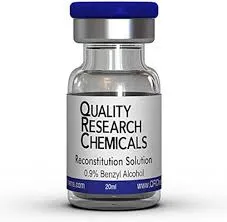

Research chemicals are a broad category of substances used in laboratory and scientific research. While the phrase “buy research chemicals online” appears frequently in search trends, it is important to understand the scientific, legal, and safety context behind it rather than treating it like a normal retail purchase.
This article focuses on awareness and education around how research chemicals are classified, handled, and regulated.
What Research Chemicals Actually Are
Research chemicals are compounds used for:
- Chemical analysis and laboratory testing
- Pharmaceutical and biochemical research
- Development of new scientific theories or materials
- Educational demonstrations in controlled environments
They are not designed or approved for general public use in many cases and are often studied under strict laboratory supervision.
Why These Chemicals Exist Online
Online mentions of research chemicals are mainly due to:
- Global scientific supply chains
- Demand from licensed laboratories
- Specialized compounds not available through local suppliers
- International distribution of lab-grade materials
However, legitimate scientific supply channels operate under strict compliance systems, while informal online listings may not follow these standards.
Regulatory Oversight and Legal Restrictions
Research chemicals are regulated differently depending on the country. In general:
- Many compounds are controlled or restricted substances
- Some are legal only for licensed research institutions
- Others are prohibited due to potential misuse or unknown safety profiles
Authorities regulate these substances to ensure they are used only for legitimate scientific purposes and not diverted for unsafe or unauthorized use.
Safety Concerns with Unverified Sources
One of the biggest risks associated with online availability is lack of quality assurance. Unregulated sources may present issues such as:
1. Unknown Purity
Impurities can affect research results and create safety hazards.
2. Mislabeling
Incorrect labeling may lead to accidental misuse or exposure.
3. Lack of Documentation
Legitimate lab chemicals come with safety data sheets (SDS), which may be missing in unverified sources.
4. Storage and Handling Risks
Improper handling can lead to chemical reactions, contamination, or health hazards.
Scientific Use Standards
In professional environments, research chemicals are handled with strict protocols:
- Use in certified laboratories only
- Proper labeling and tracking systems
- Trained chemists or researchers
- Controlled storage conditions
- Compliance with institutional safety regulations
These standards help ensure accuracy, safety, and ethical use of chemical substances.
Ethical Importance in Chemical Research
Ethical use of research chemicals includes:
- Using substances only for approved scientific purposes
- Following institutional review and safety boards
- Preventing misuse or unauthorized distribution
- Maintaining transparency in experimental work
Science relies on responsible handling to ensure results are reliable and safe for society.
Risks of Informal Online Purchasing
Engaging with unverified sources online can expose individuals or organizations to:
- Legal consequences depending on jurisdiction
- Financial loss due to scams or non-delivery
- Exposure to unsafe or contaminated substances
- Violation of institutional or workplace policies
This is why legitimate procurement is usually restricted to approved suppliers and institutions.
How Legitimate Research Supply Works
In regulated scientific environments, procurement typically involves:
- Verified chemical manufacturers or distributors
- Institutional authorization (universities, labs, companies)
- Compliance documentation and usage declarations
- Shipping through controlled and monitored channels
This ensures chemicals are used responsibly and safely.
Final Summary
The concept of buying research chemicals online is often misunderstood. In reality, these substances belong in controlled scientific environments, not general online marketplaces. Their use is governed by strict legal and safety frameworks designed to protect both researchers and the public.
Understanding the proper context helps prevent misuse and promotes responsible scientific practices.



























Sign in to leave a comment.