

Polar ice caps are melting, storms and adverse weather cycles are rising, droughts are increasing, floods are more frequent, species and habitats being destroyed… Climate change is already affecting our world, with scientists sitting on a mountain of data that shows the numerous ways our planet is changing around us. One of the biggest questions of them all though is whether we can really solve the climate crisis?
The answer is yes, no, and somewhere in-between. And the solutions to counteract climate change are fragmented into a few areas of focus. To begin with, we need to stop carbon emissions as fast as possible to slow down global warming before it becomes impossible to prevent. A new model suggests that we’ll cross the threshold to contain global warming as early as 2027!
We then need to turn our attention to the carbon in the atmosphere and decrease it. Because, even in a scenario where we are completely carbon neutral, the levels in the atmosphere could be up there in the clouds for anywhere between 300-1000 years.
The good news though is that these things, while at first seeming very daunting, are achievable. We have the ability to do it if we pull together and show mother earth just what she means to us.
Controlling the carbon
Carbon capture, utilization, and storage (CCUS) are already being used around the globe in various industries in an effort to prevent more carbon from entering the atmosphere.
In essence, it’s about capturing waste carbon, containing it, and then taking it to a storage site where it can be held indefinitely. Basically, carbon never has the chance to enter the atmosphere.
There are also technologies emerging which capture carbon that’s already in the atmosphere, which we could utilize to help speed up the natural timeframe of atmospheric carbon dispersion.
Energy solutions
Our reliance on fossil-based energy is pretty shocking given the knowledge we have of its negative effects on the climate crisis. The progression and developments within renewable alternatives are so compelling that it’s time for governments to stop putting their heads in the sand and give us the chance to make the big switch. Whether it’s hydro-energy, wind turbines, or photovoltaic solar panels, we could not only cut emissions but bring an end to the energy famine in remote impoverished parts of the world. It’s entirely possible that 80 percent of all energy could be renewable by 2050 if not sooner and associated emissions would decrease by 70%! Our children and generations to come would never have to worry about it ever again.
It’s not only the big energy companies who could enable the switch. Home solar energy is a booming movement, with companies like IKEA now producing their own panels for private use. If the corporations won’t make the switch for them, let’s put the power in our own hands for once.
Reforestation
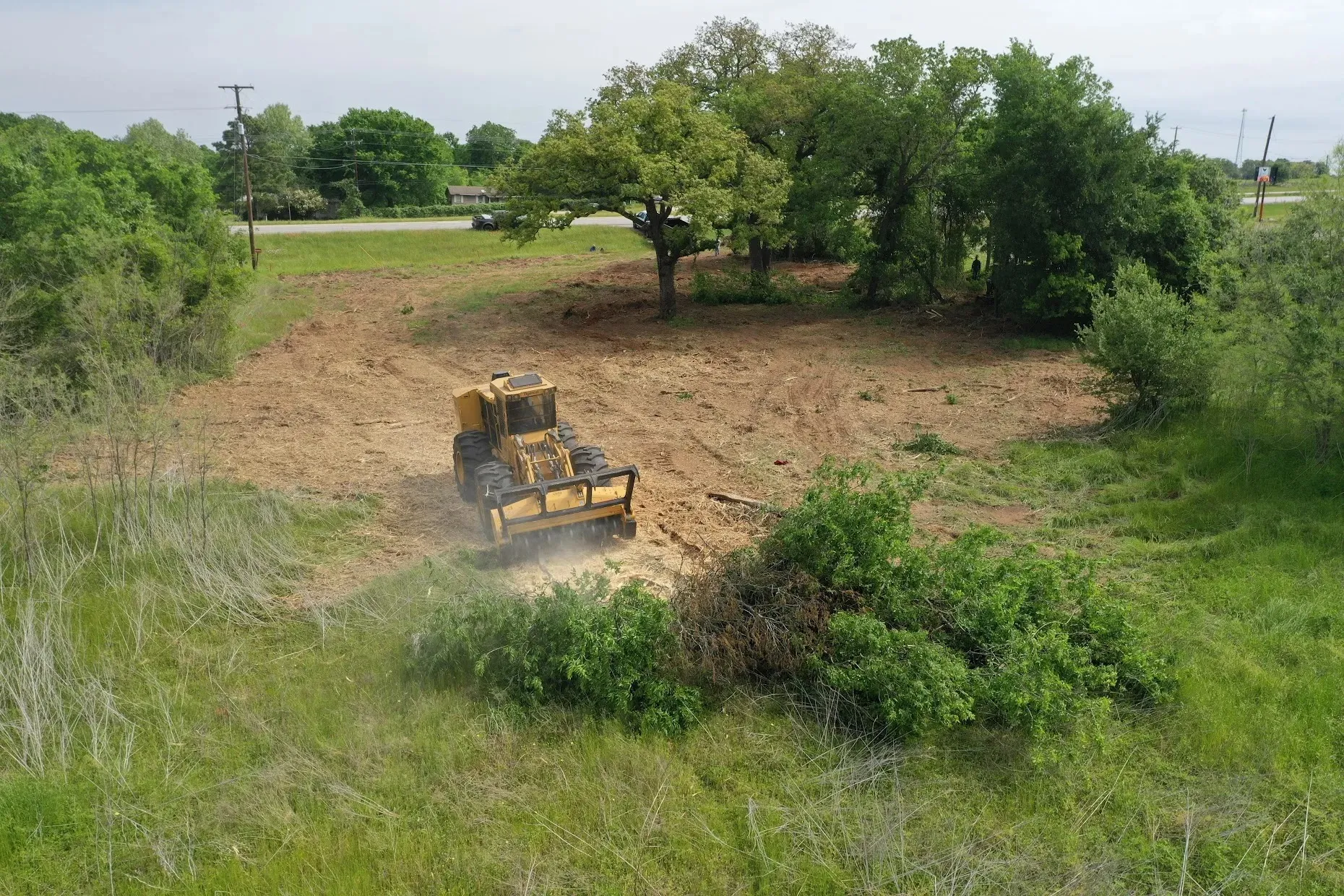
It’s been said before but that’s not to say it’s not worth repeating over and over again. Forests are one the biggest allies we have in combating climate change. Human activities have stripped global forest cover since the emergence of mankind, but only in the past 100 years or so have we become far more effective in doing so.
At the end of the last ice age, about 10,000 years ago, 57% of our land was covered in forest. Fast forward to the present day, and a third of that is now lost. With half of that lost forest as a result of our own actions in the past century.
But there are silver linings in all this gloomy data. We know that we can replant trees, and we’re doing it actively. We also appear to be at what many scientists are calling ‘peak agriculture land’ – where we’re now needing less land to supply our food needs.
Advances in the technology of agriculture and lab-grown foods could lead us to a world where we can turn back time for our lost forest land. Which is a fantastic thought to consider in all respects.
More trees, an end to deforestation and lost habitats, plus more carbon gobbling trees… Bliss if you ask us.
E-Transport
Since the introduction of personal electric transportation a couple of decades ago, the electric car is now woven into our society. No longer a novelty, and with costs for having one dropping all the time, it’s another area in which we can have an effect on the environment without relying on organizations and governments to do it on our behalf. If we can bring about an end to the internal combustion engine once and for all, the need to mine fossil fuels for our gas or diesel will reduce drastically. And that’s great for the future.
Wetland Management
All along our coastlines lie magnificent marshes and mangrove habitats, both inland and edging onto the oceans. As well as being rich in biodiversity, the plants and trees of these wetlands store five times more carbon than tropical forests. Today much is being done by grassroots organizations working to preserve and nourish these areas. The wetlands are an often overlooked friend to our climate control.
Friendly Cities
As our population continues to surge, many find themselves drawn to burgeoning towns and cities. We know that cities can be very emission-heavy, but better town planning and urban architecture is helping to cut down on the number of cars. The future of our urban architecture is one where we’ll see more reliance on public transport, environmentally-friendly buildings made from sustainable materials, and improved energy management.
The Future is Bright if We Act Now
Can climate change be stopped? If we’re smart, yes. Even though statistics make for a worrying projection, there’s evidence that shows our actions as individuals and collectives are having a positive effect. Supporting grassroots organizations that are working with climate change solutions is a sure-fire way to speed up the turnaround. By following their updates it’s clear that change can happen now, and it’s a change we can see. Can climate change be stopped? Yes, with your help.


















Sign in to leave a comment.