

Can I Install a New AC in an Older Home?
Many homeowners living in older properties eventually ask the same question: can I install a new AC in an older home? The answer is generally yes, but the process often requires careful planning, proper evaluation, and consideration of the home’s existing infrastructure.
Older homes offer unique architectural character and craftsmanship, but they may also present challenges when it comes to modern HVAC systems. Aging electrical systems, outdated ductwork, limited insulation, and structural design differences can all affect air conditioning installation.
Understanding the key factors involved helps homeowners make informed decisions about cooling upgrades while preserving the integrity and comfort of their property.
Why Older Homes Often Need Updated Cooling Systems
Many older homes were built before central air conditioning became standard in residential construction. Because of this, homeowners often rely on outdated cooling equipment, window units, or aging HVAC systems that no longer operate efficiently. Over time, these older systems may struggle to maintain consistent indoor temperatures, especially during periods of extreme heat.
Aging cooling systems can create several comfort and performance issues throughout the home. Homeowners frequently notice uneven temperatures between rooms, poor airflow, excessive humidity, and rising monthly utility costs. Older equipment may also require frequent repairs as internal components begin to wear out after years of continuous use.
Installing a modern air conditioning system can significantly improve indoor comfort while supporting better energy efficiency and improved air quality. Newer systems are designed to cool homes more consistently, manage humidity more effectively, and operate with lower energy consumption than many older units.
In addition to comfort improvements, updated cooling systems can also help reduce strain on aging HVAC components and provide more reliable performance during warmer seasons.
Can I Install a New AC in an Older Home Without Existing Ductwork?
One of the most common concerns homeowners have is whether central air can be added to a home that lacks existing ductwork.
The good news is that several installation options are available.
Central Air Conditioning With New Ductwork
If the home has enough attic, crawl space, or wall access, new ductwork may be installed to support a traditional central air conditioning system.
Benefits of adding ductwork include:
- Whole-home cooling
- Consistent airflow
- Improved indoor comfort
- Compatibility with smart thermostats
However, duct installation may involve structural modifications depending on the layout of the property.
Ductless Mini-Split Systems
Ductless mini-split systems are often an excellent solution for older homes.
These systems:
- Do not require ductwork
- Allow zoned temperature control
- Operate with high energy efficiency
- Require minimal structural changes
- Support quiet indoor operation
Mini-splits are especially useful in historic homes or properties where preserving architectural details is important.
Evaluating the Electrical System
When homeowners ask, can I install a new AC in an older home, electrical capacity becomes one of the first areas professionals evaluate.
Older homes may have electrical panels that were not designed to support modern cooling equipment.
Potential concerns include:
- Insufficient amperage
- Outdated wiring
- Limited breaker space
- Safety code compliance issues
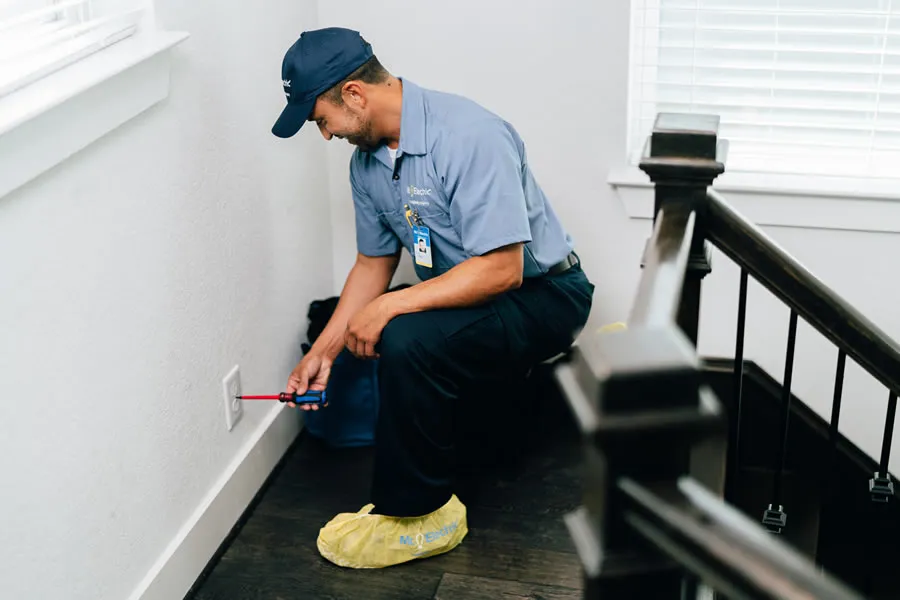
Before installation, HVAC professionals and electricians may inspect the home’s electrical infrastructure to determine whether upgrades are necessary.
Electrical improvements may involve:
- Panel upgrades
- Dedicated circuits
- Wiring replacements
- Grounding updates
Ensuring adequate electrical support helps maintain safe and efficient system operation.
Importance of Proper Home Sizing
Every home has unique cooling requirements. Proper system sizing is especially important in older homes because insulation levels, window efficiency, and construction materials can vary significantly.
An undersized system may struggle to cool the property effectively, while an oversized system can short cycle and waste energy.
Professionals typically perform load calculations that evaluate:
- Square footage
- Ceiling height
- Insulation quality
- Window placement
- Sun exposure
- Occupancy levels
- Air leakage
Accurate sizing helps optimize energy efficiency and indoor comfort.
Insulation and Air Leakage Challenges
Many older homes were constructed before modern insulation standards existed.
As a result, they may experience:
- Air leaks around windows and doors
- Inadequate attic insulation
- Drafty wall cavities
- Poor thermal performance
Even a high-efficiency AC system may struggle if cooled air escapes too quickly.
Before installing a new air conditioning system, homeowners often benefit from improving:
- Window sealing
- Door weather stripping
- Attic insulation
- Crawl space insulation
- Air sealing throughout the home
Addressing these issues can improve cooling performance and reduce energy consumption.
Choosing the Right Type of Air Conditioning System
When considering can I install a new AC in an older home, homeowners should understand that several different cooling solutions are available depending on the structure and condition of the property. The best option often depends on factors such as available space, existing ductwork, insulation levels, and long-term energy efficiency goals.
Some homeowners prefer traditional central air conditioning systems because they provide whole-home cooling and consistent airflow. Others may choose ductless mini-split systems because they require fewer structural modifications and offer flexible zoning capabilities.
Evaluating each system type carefully helps homeowners select a cooling solution that aligns with the layout and mechanical limitations of an older home while still providing reliable indoor comfort.
Central Air Conditioning
Central air systems distribute cooled air through ductwork connected to supply vents throughout the home.
Advantages include:
- Uniform cooling
- Whole-home comfort
- Strong airflow performance
- Integration with heating systems
These systems work well in homes where duct installation is feasible.
Ductless Mini-Split Systems
Mini-split systems continue to grow in popularity because they offer flexibility and energy efficiency.
Benefits include:
- Individual room temperature control
- Easier installation
- Reduced energy loss
- Quiet operation
- Flexible placement options
Older homes with limited attic or crawl space access may particularly benefit from ductless technology.
Heat Pump Systems
Heat pumps provide both heating and cooling from a single system.
These systems transfer heat rather than generating it directly, helping improve efficiency.
Advantages include:
- Year-round climate control
- Reduced energy usage
- Improved environmental efficiency
- Consistent indoor comfort
Heat pumps are often suitable for moderate climates where both heating and cooling are needed throughout the year.
Ductwork Considerations in Older Homes
If existing ductwork is already present, it should be inspected carefully before installing a new AC system.
Older ducts may suffer from:
- Air leaks
- Poor insulation
- Dust accumulation
- Improper sizing
- Corrosion or deterioration
Damaged ductwork can significantly reduce system efficiency and airflow quality.
Professional duct inspections help identify whether repairs, sealing, or replacement may be necessary.
Indoor Air Quality Benefits
Installing a new AC system in an older home can also improve indoor air quality.
Modern HVAC systems often include advanced filtration and humidity control capabilities that help reduce indoor contaminants.
Improved indoor air quality may help minimize:
- Dust buildup
- Allergens
- Excess humidity
- Airborne particles
- Mold growth risks
This can be particularly beneficial in older homes where ventilation may be limited.
Smart Thermostat Compatibility
Many modern air conditioning systems support smart thermostat integration.
Smart thermostats allow homeowners to:
- Monitor temperatures remotely
- Create customized schedules
- Track energy usage
- Improve cooling efficiency
- Automate comfort settings
Adding smart controls can enhance convenience and help reduce monthly utility costs.
Common Installation Challenges in Older Homes
While installing a new AC system is possible in most older properties, homeowners should be prepared for certain challenges.
Limited Space for Equipment
Older homes may have limited space for ductwork, air handlers, or condensers.
Careful planning helps identify suitable installation locations without affecting structural integrity.
Historic Preservation Concerns
Some older or historic homes require special consideration to preserve architectural features.
Ductless systems may provide an effective solution when homeowners want to minimize alterations.
Structural Modifications
Installing new ductwork or equipment may require:
- Wall access
- Ceiling modifications
- Attic adjustments
- Vent placement changes
Experienced HVAC professionals can often develop solutions that minimize disruption.
Energy Efficiency Advantages of Modern AC Systems
Modern air conditioning systems are significantly more energy efficient than older equipment.
Higher-efficiency systems often include:
- Variable-speed compressors
- Improved refrigerants
- Advanced airflow management
- Better humidity control
- Enhanced temperature consistency
Energy-efficient systems can help reduce operating costs over time while improving overall comfort.
Signs an Older Home May Need a New AC System
Homeowners often begin exploring replacement options when their current cooling system shows signs of decline.
Common warning signs include:
- Frequent breakdowns
- Rising energy bills
- Uneven cooling
- Excessive noise
- Weak airflow
- System age over 10–15 years
Older equipment may also struggle to maintain consistent temperatures during extreme heat.
Professional Assessment Matters
Every older home has unique structural and mechanical characteristics. A professional assessment helps determine the best cooling solution based on the home’s condition and layout.
HVAC evaluations often include:
- Load calculations
- Duct inspections
- Electrical assessments
- Insulation reviews
- Airflow analysis
This process helps ensure the selected system meets the property’s cooling needs effectively.
Long-Term Maintenance Considerations
After installation, regular maintenance remains essential for long-term performance.
Routine HVAC maintenance typically includes:
- Air filter replacement
- Coil cleaning
- Refrigerant inspections
- Electrical testing
- Thermostat calibration
- Drain line cleaning
Consistent maintenance helps extend system lifespan and maintain efficient operation.
For homeowners asking, can I install a new AC in an older home, the answer is typically yes. Modern HVAC technology offers flexible installation options that can accommodate a wide range of older property layouts and structural conditions.
Whether choosing central air conditioning, ductless mini-split systems, or energy-efficient heat pumps, proper planning is essential. Factors such as electrical capacity, insulation quality, ductwork condition, and home size all influence installation success.
A professionally designed cooling system can improve indoor comfort, support better energy efficiency, and enhance air quality while preserving the character and functionality of an older home.




























Sign in to leave a comment.