

Rectal bleeding, pain during bowel movements, itching around the anus, and swelling can be uncomfortable and worrying. Many people experiencing these symptoms immediately wonder whether they have piles or something more serious, such as colorectal cancer. One of the most frequently asked questions is: Can piles cause cancer?
The good news is that piles, medically known as haemorrhoids, are not cancerous and do not turn into colorectal or anal cancer. However, certain symptoms of piles can resemble warning signs of more serious conditions. This similarity sometimes leads people to ignore persistent symptoms or delay getting an appropriate medical examination.
Understanding the difference between haemorrhoids and cancer is essential for protecting your digestive health. In this article, we explain the medical facts, common symptoms, important warning signs, diagnostic procedures, and when you should consult a healthcare professional.
Can Piles Cause Cancer? Understanding the Medical Facts
The straightforward answer is no. Piles do not cause cancer, and haemorrhoids do not develop into colorectal cancer. Piles are swollen blood vessels located in or around the anus and lower rectum. They commonly develop when increased pressure affects these blood vessels, often due to constipation, straining during bowel movements, prolonged sitting on the toilet, pregnancy, or irregular bowel habits.
Cancer, on the other hand, develops when abnormal cells grow uncontrollably. Colorectal cancer generally begins in the lining of the colon or rectum and may develop from precancerous growths called polyps.
According to the American Society of Colon and Rectal Surgeons, haemorrhoids do not increase the risk of colorectal cancer. However, both conditions can cause rectal bleeding, making proper medical evaluation important. Therefore, people should not automatically assume that blood during bowel movements is caused by piles.
Why Do People Associate Piles With Cancer?
The confusion between piles and cancer mainly occurs because both conditions can produce similar symptoms, particularly rectal bleeding. People experiencing bright red blood during bowel movements may become concerned about cancer, especially when they do not understand the actual cause of their symptoms.
Another reason is that some individuals avoid discussing anorectal problems because of embarrassment. They may rely on home remedies or over-the-counter medicines without seeking professional advice. Although many cases of piles are manageable, persistent symptoms require proper examination to rule out other medical conditions.
Understanding the Difference Between Piles and Colorectal Cancer
Although piles and colorectal cancer can affect nearby anatomical areas, they are medically different conditions. Understanding their characteristics can help individuals recognise when they should seek medical attention.
What Are Piles?
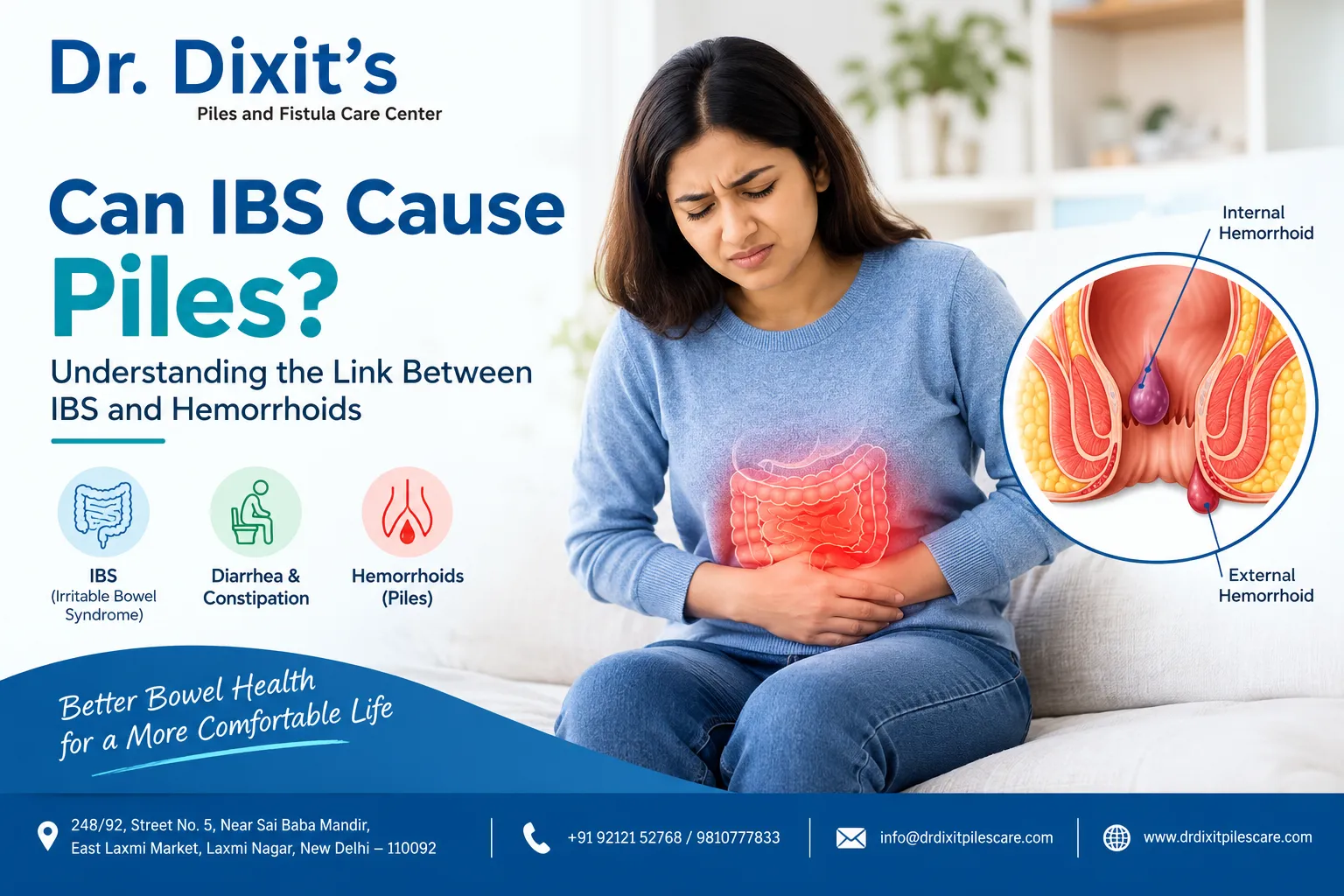
Piles are swollen veins in the anal canal or around the anus. They are generally classified into two main types: internal piles and external piles. Internal piles develop inside the rectum and may cause painless, bright red bleeding during bowel movements. In some cases, the swollen tissue may protrude through the anal opening, particularly during straining.
External piles develop underneath the skin surrounding the anus. They may cause itching, irritation, swelling, and discomfort. Sometimes, a blood clot develops inside an external haemorrhoid, resulting in a painful lump near the anal opening.
Common contributing factors include chronic constipation, excessive straining, insufficient dietary fibre, prolonged sitting, pregnancy, and irregular bowel movements. Although piles can cause discomfort and bleeding, they are not cancerous growths.
What Is Colorectal Cancer?
Colorectal cancer develops when abnormal cells grow uncontrollably in the colon or rectum. It can develop gradually, and some individuals may not experience noticeable symptoms during its early stages.
Possible symptoms include rectal bleeding, persistent changes in bowel habits, abdominal discomfort, unexplained weight loss, unusual fatigue, and a feeling that the bowel does not empty completely. Some people may also develop anaemia due to ongoing blood loss.
These symptoms do not automatically indicate cancer because several digestive conditions can produce similar problems. However, persistent or unexplained symptoms should always be evaluated by a qualified healthcare professional.
Piles vs Cancer: Why Proper Diagnosis Matters
One important difference is that piles involve swollen blood vessels, whereas colorectal cancer involves abnormal cell growth. Piles commonly produce bright red bleeding, particularly during bowel movements, while colorectal cancer can cause bright red or darker blood in the stool.
However, symptoms alone cannot reliably distinguish between these conditions. Some people with colorectal cancer may experience symptoms similar to haemorrhoids, while others may have no noticeable symptoms initially.
Therefore, the presence of piles does not automatically explain every episode of rectal bleeding. A proper medical examination helps identify the actual cause and determine whether additional investigations are necessary.
Warning Signs That Should Never Be Ignored
Although piles are not cancerous, certain symptoms should never be overlooked. Persistent rectal bleeding is one of the most important warning signs because it can occur due to haemorrhoids, anal fissures, inflammation, polyps, or colorectal cancer.
Unexplained weight loss is another symptom that requires medical attention, particularly when accompanied by changes in bowel habits. Persistent constipation, diarrhoea, changes in stool consistency, or unusually narrow stools should also be discussed with a healthcare professional.
Ongoing abdominal pain, bloating, and discomfort may indicate an underlying digestive problem. Similarly, persistent fatigue, weakness, or breathlessness can sometimes be associated with anaemia caused by blood loss.
People experiencing heavy or continuous rectal bleeding, large blood clots, severe pain, or black or dark-red stools should seek urgent medical attention. Ignoring these symptoms or assuming they are caused by piles can delay appropriate diagnosis.
How Can Doctors Differentiate Between Piles and Cancer?
An accurate diagnosis is essential when someone experiences persistent rectal bleeding or other unusual anorectal symptoms. Doctors consider the patient's symptoms, medical history, age, family history, and physical examination findings before recommending further investigations.
Medical History and Physical Examination
The diagnostic process generally begins with questions about the duration of symptoms, bleeding patterns, bowel habits, pain, constipation, and previous medical conditions. Doctors may also ask about a family history of colorectal cancer or intestinal polyps.
A physical examination helps identify external haemorrhoids, swelling, tenderness, and other abnormalities around the anal region. This initial assessment provides useful information for deciding whether additional investigations are required.
Digital Rectal Examination
A digital rectal examination involves a doctor gently inserting a gloved, lubricated finger into the rectum to check for unusual lumps, tenderness, or abnormalities. It can help identify certain anorectal conditions, although it cannot rule out every possible cause of bleeding.
Anoscopy or Proctoscopy
Anoscopy and proctoscopy involve using specialised medical instruments to examine the anal canal and lower rectum. These procedures help doctors identify internal haemorrhoids, inflammation, and other abnormalities in the examined areas.
Colonoscopy
A colonoscopy may be recommended when symptoms, age, medical history, or examination findings indicate the need for further investigation. During this procedure, a flexible camera is used to examine the inside of the colon and rectum.
If suspicious growths are identified, tissue samples may be collected for laboratory examination. A biopsy helps determine whether abnormal tissue is cancerous. Not everyone experiencing piles requires a colonoscopy; the decision depends on individual clinical findings and screening recommendations.
Can You Prevent Piles and Reduce Your Risk of Colorectal Cancer?
Although piles and colorectal cancer have different causes, maintaining good digestive health can support overall bowel health. Healthy dietary habits, adequate hydration, and regular physical activity can help prevent constipation and reduce the risk of developing symptomatic haemorrhoids.
Eating fibre-rich foods such as fruits, vegetables, whole grains, and legumes helps promote regular bowel movements. Drinking sufficient water can also help keep stools soft and easier to pass. Avoiding excessive straining and spending unnecessary time on the toilet are equally important habits.
For colorectal cancer prevention, maintaining a healthy body weight, exercising regularly, limiting processed meat consumption, avoiding tobacco, and limiting alcohol intake are sensible lifestyle measures. People should also discuss appropriate colorectal cancer screening with their doctors.
For individuals at average risk, the American Cancer Society recommends beginning regular colorectal cancer screening at age 45. People with a family history of colorectal cancer, certain bowel conditions, or other increased risk factors may require earlier assessment.
When Should You Consult a Piles Specialist?
Consulting a qualified piles specialist is advisable if you experience repeated rectal bleeding, pain during bowel movements, persistent itching, swelling, or a lump around the anus. Medical attention is particularly important when symptoms continue despite dietary improvements or basic home care.
You should also seek professional evaluation if you experience unexplained changes in bowel habits, abdominal discomfort, or unusual fatigue alongside rectal bleeding. Early consultation helps identify the underlying condition and prevents unnecessary delays in treatment.
At Dr. Dixit's Piles and Fistula Care Centre, patients can seek professional evaluation for anorectal conditions, including piles, fissures, and fistulas. An appropriate medical assessment helps determine the nature of the problem and identify suitable treatment options.
People looking for additional information about piles treatment in Delhi can explore the available treatment information and consult a healthcare professional regarding their symptoms.
Conclusion: Don't Confuse Piles With Cancer – Get the Right Diagnosis
So, can piles cause cancer? The medical answer is no. Haemorrhoids are not cancerous, and having piles does not increase your risk of developing colorectal cancer. However, the similarity between their symptoms makes proper medical evaluation extremely important.
Persistent rectal bleeding, unexplained weight loss, abdominal discomfort, and changes in bowel habits should never be ignored. Rather than relying on assumptions or self-medication, consult a qualified healthcare professional to understand the underlying cause of your symptoms.
If you are experiencing piles symptoms, take the first step towards better digestive health by consulting Dr. Dixit's Piles and Fistula Care Centre, Delhi. Timely medical evaluation can help you understand your condition and explore appropriate treatment options.
Frequently Asked Questions (FAQs)
Can piles cause cancer if left untreated?
No. Untreated piles do not turn into cancer. However, persistent rectal bleeding or other unusual symptoms should be medically evaluated because they may have causes other than haemorrhoids. Getting an accurate diagnosis is important for selecting appropriate treatment.
Can colorectal cancer be mistaken for piles?
Yes. Both conditions can cause rectal bleeding and other overlapping symptoms. Some people mistakenly assume that bleeding is caused by piles without undergoing an examination. A medical evaluation helps distinguish between haemorrhoids and other possible digestive conditions.
Is bright red blood during bowel movements always a sign of piles?
No. Bright red blood can occur due to piles, anal fissures, inflammation, and several other conditions. It can also occur with colorectal cancer. Repeated or unexplained bleeding should be assessed by a qualified healthcare professional.
Can external piles become cancerous?
No. External haemorrhoids are swollen blood vessels and do not transform into cancerous growths. However, an unusual, persistent, or changing lump around the anus should be examined to establish its actual cause.
At what age should someone undergo colorectal cancer screening?
For individuals at average risk, the American Cancer Society recommends starting regular colorectal cancer screening at age 45. People with increased risk factors, including a family history of colorectal cancer, may need earlier screening based on their doctor's advice.
Should I visit a doctor if my piles bleed occasionally?
Yes. Even if bleeding appears mild, getting it checked is advisable, particularly when it happens repeatedly or is accompanied by pain, changes in bowel habits, or abdominal discomfort. A doctor can identify the actual cause and recommend suitable treatment.


















Sign in to leave a comment.