
When it comes to safeguarding your trailer’s cargo from the elements, canvas tarps have long been a reliable choice for truckers, outdoor enthusiasts, and anyone who needs durable and versatile coverage. Canvas tarps for trailers offer a blend of strength, breathability, and eco-friendliness that synthetic tarps often cannot match. Whether you’re hauling equipment, protecting goods during transportation, or covering your trailer for long-term storage, canvas tarps are an investment worth considering.
What Makes Canvas Tarps Special?
Canvas tarps are made from tightly woven cotton or polyester fabric, coated with wax or a water-resistant treatment to enhance their durability and weather resistance. Unlike poly tarps, which are made from plastic materials, canvas tarps are breathable, reducing the risk of condensation buildup that can lead to mold or mildew. This breathability makes them particularly suitable for covering items that need to stay dry yet require ventilation, such as wood, machinery, or agricultural products.
Key Benefits of Canvas Tarps:
Durability: Canvas is known for its toughness. It can withstand harsh weather conditions, heavy winds, and UV rays, making it ideal for long-term use.Breathability: The natural fibers in canvas allow moisture to escape, preventing the accumulation of water vapor that can damage your cargo.Eco-Friendliness: Being made from natural fibers, buy canvas tarps are biodegradable and have a smaller environmental footprint compared to synthetic options.Versatility: Canvas tarps are available in various sizes and weights, making them suitable for different trailer types and applications.Aesthetic Appeal: Canvas tarps have a classic, rugged look that many people prefer over the shiny, synthetic appearance of poly tarps.Choosing the Right Canvas Tarp for Your Trailer
When selecting a canvas tarp for your trailer, consider the following factors to ensure you get the best fit and performance:
1. Size and Fit:
Measure Your Trailer: Before purchasing a tarp, measure your trailer’s length, width, and height. It’s crucial to choose a tarp that provides adequate coverage, with some overhang to secure it properly.Custom Sizes: If your trailer has unique dimensions, consider ordering a custom-sized tarp to ensure a snug fit.2. Weight and Thickness:
Standard Duty vs. Heavy Duty: Canvas tarps come in different weights, typically measured in ounces per square yard. Standard-duty tarps (10-12 oz) are suitable for light to medium applications, while heavy-duty tarps (16-18 oz) are designed for more demanding tasks.Thickness: Thicker tarps offer better protection against punctures and tears. For trailers, a heavier tarp might be more appropriate, especially if you’re covering sharp or bulky items.3. Water Resistance:
Treated vs. Untreated: Some canvas tarps are treated with wax or other water-repellent chemicals. Treated tarps are more resistant to water and mildew, making them ideal for outdoor use. However, they may require re-treatment over time to maintain their waterproof qualities.Untreated Tarps: While untreated tarps are less water-resistant, they are more breathable and can be a good choice if you’re covering items that need ventilation.4. Grommets and Tie-Downs:
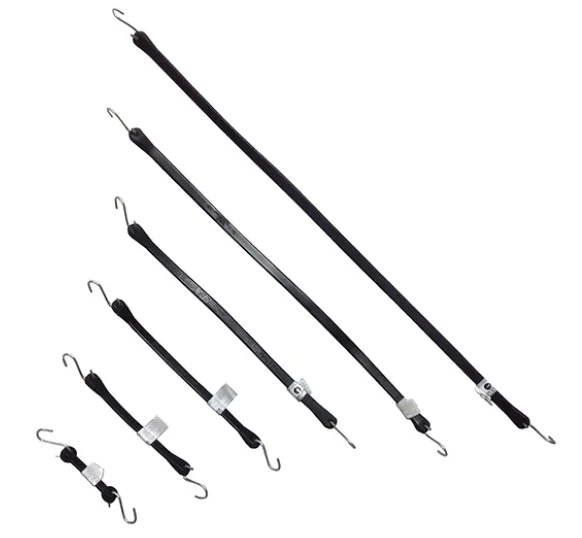
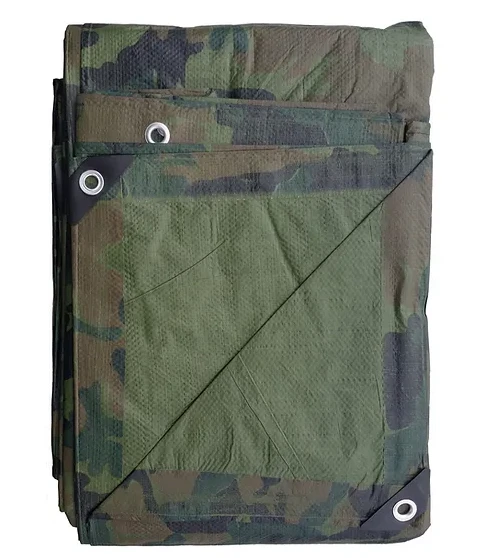
Secure Fastening: Look for tarps with reinforced grommets (metal rings) along the edges. These allow you to securely tie down the tarp to your trailer using ropes, bungee cords, or straps.Grommet Spacing: Grommets that are spaced closer together offer more tie-down points, providing better security and reducing the risk of the tarp flapping in the wind.5. Color:
Visibility and Heat Absorption: Canvas tarps come in various colors, with darker colors absorbing more heat and lighter colors reflecting it. If your trailer is exposed to direct sunlight, consider a lighter color to minimize heat buildup.Common Uses of Canvas Tarps for Trailers
Canvas tarps are versatile and can be used in various scenarios involving trailers. Some of the most common applications include:
Protecting Cargo During Transport: Whether you’re transporting furniture, equipment, or agricultural products, a canvas tarp can shield your load from rain, wind, dust, and UV rays.Covering Flatbed Trailers: Canvas tarps are ideal for covering flatbed trailers, providing a protective layer that prevents cargo from shifting or falling off during transit.Long-Term Storage: If you need to store your trailer or its contents for an extended period, a canvas tarp can protect it from the elements, reducing wear and tear.Camping and Outdoor Use: Canvas tarps can also double as ground covers, makeshift shelters, or awnings during camping trips, adding to their versatility.Maintenance and Care for Canvas Tarps
To maximize the lifespan of your canvas tarp, proper maintenance is essential:
Regular Cleaning: Clean your tarp regularly by brushing off dirt and debris. For more thorough cleaning, use a mild soap and water solution, and avoid harsh chemicals that can degrade the fabric.Drying: Always allow your tarp to dry completely before storing it. Storing a wet tarp can lead to mold, mildew, and unpleasant odors.Re-Treating: Over time, the water-repellent treatment on your tarp may wear off. Re-treat your tarp with a canvas waterproofing solution as needed to maintain its effectiveness.Proper Storage: Store your tarp in a cool, dry place when not in use. Folding it neatly and avoiding sharp creases will help prevent damage.Conclusion
Canvas tarps for trailers are a robust, eco-friendly solution for protecting your cargo and trailer from the elements. Their durability, breathability, and versatility make them a popular choice for various applications, from hauling goods to long-term storage. By selecting the right tarp for your needs and maintaining it properly, you can ensure that your canvas tarp provides reliable protection for years to come. Whether you're a seasoned trucker or an outdoor enthusiast, investing in a high-quality canvas tarp is a smart move that pays off in both performance and peace of mind.































Sign in to leave a comment.