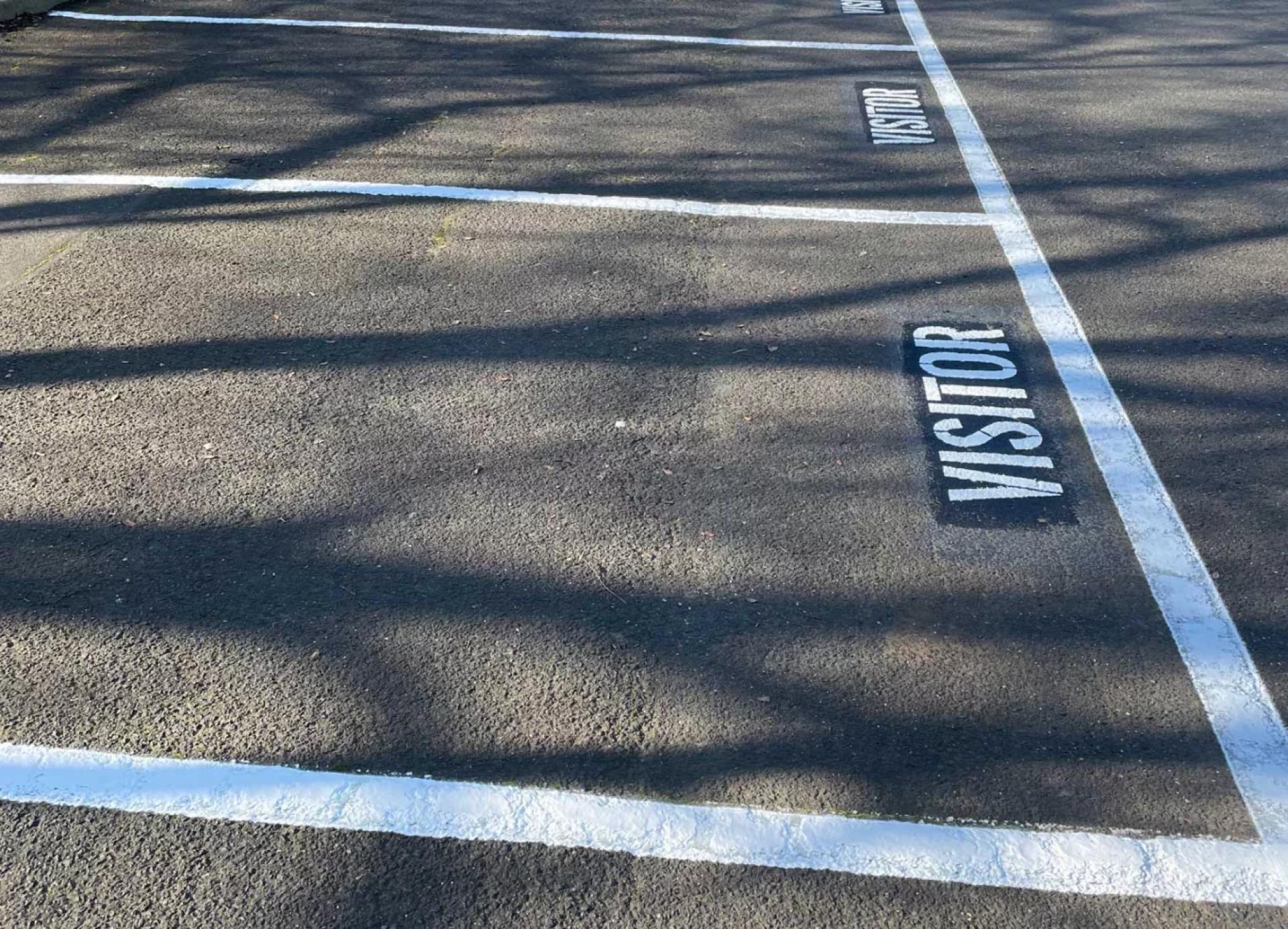

Efficient parking management is crucial for reducing congestion and improving the overall driving experience. One of the most effective ways to streamline traffic in parking areas is by using proper car parking line marking. Clearly defined markings help maximize space, guide drivers, and ensure safety for both vehicles and pedestrians. However, parking-related traffic issues persist in busy commercial hubs, residential complexes, and public areas. To address these challenges, it’s essential to implement smart traffic management strategies and modern technology.
Common Challenges in Car Parking Traffic
1. Limited and Inefficient Use of Space
A major problem in parking lots is the underutilization of available space due to poor planning and lack of proper car parking line marking. When drivers park without clear guidelines, it reduces capacity and creates unnecessary congestion.
2. Traffic Jams and Slow Movement
High-traffic areas such as shopping centers, office buildings, and airports often experience bottlenecks at parking entrances and exits. Slow-moving traffic inside parking lots can lead to long waiting times and frustration among drivers.
3. Poor Visibility and Signage
Faded or missing parking lines, unclear direction indicators, and inadequate lighting contribute to confusion. Drivers struggle to find designated spots, leading to erratic parking that further worsens traffic flow.
4. Safety Concerns for Pedestrians and Vehicles
Without proper pedestrian crossings and traffic lanes, parking lots can become accident-prone areas. People walking between vehicles face risks, especially in dimly lit or unorganized spaces.
5. Inefficient Payment and Ticketing Systems
Traditional ticketing and payment methods can cause long queues at parking entrances and exits. Delays due to manual processing can contribute to congestion, making parking a time-consuming process.
Innovative Solutions to Manage Car Parking Traffic
1. High-Quality Line Marking for Better Organization
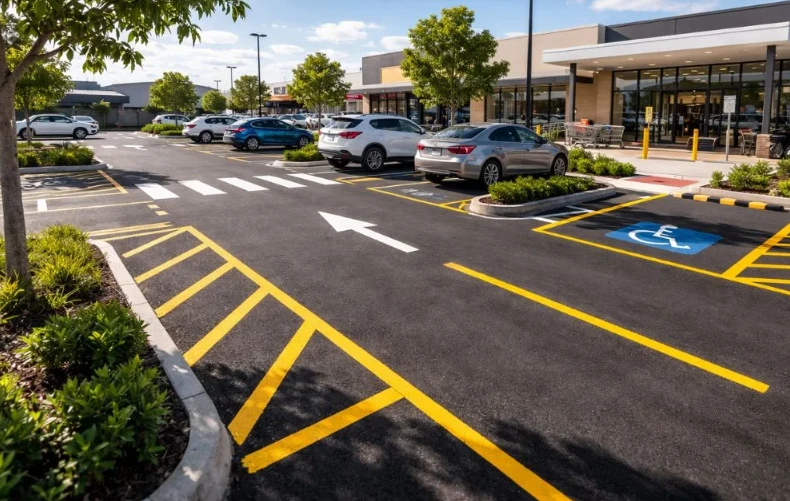
Maintaining clear and visible car parking line marking is key to ensuring orderly parking. Properly marked spaces help vehicles park efficiently, optimizing the use of available space while minimizing confusion and congestion. Reflective markings also improve visibility at night, enhancing safety.
2. Smart Parking Systems
Integrating smart parking technology, such as sensors and mobile apps, helps drivers locate available spots in real-time. Digital guidance systems can significantly reduce the time spent searching for parking, leading to smoother traffic flow.
3. Automated Entry and Exit Systems
Modern parking lots are adopting RFID-based access control, license plate recognition, and contactless payment solutions to minimize delays. These automated systems allow vehicles to enter and exit smoothly without long waiting times.
4. Structured Parking Design
A well-planned parking layout includes:
- Clearly defined entry and exit points.
- Angled or perpendicular parking to optimize space.
- Separate lanes for incoming and outgoing vehicles.
- Dedicated pedestrian walkways to enhance safety.
5. Enforcing Parking Rules and Regulations
Implementing strict parking policies ensures better space management. Reserved spots for disabled drivers, electric vehicles, and emergency lanes should be clearly marked. Fines and penalties for illegal parking can further discourage improper use of space.
Best Practices for Managing Parking Traffic
To maintain an efficient parking environment, consider these best practices:
- Regular Maintenance of Line Markings – Repainting car parking line marking ensures clear visibility and organized parking.
- Encourage One-Way Traffic Flow – Designing parking lots with one-way lanes reduces congestion and prevents unnecessary delays.
- Use Digital Payment Options – Contactless payments and mobile-based parking reservations help speed up transactions.
- Improve Lighting and Signage – Well-lit parking spaces and clear directional signs enhance navigation and safety.
- Implement Security Measures – Surveillance cameras and patrolling staff help prevent unauthorized parking and ensure compliance with regulations.
Conclusion
Managing car parking traffic efficiently requires a combination of smart technology, clear organization, and enforcement of regulations. Proper car parking line marking plays a crucial role in keeping parking areas structured and easy to navigate. By adopting modern solutions such as automated payment systems and real-time parking guidance, businesses and city planners can improve the overall parking experience, reducing congestion and enhancing safety.























Sign in to leave a comment.