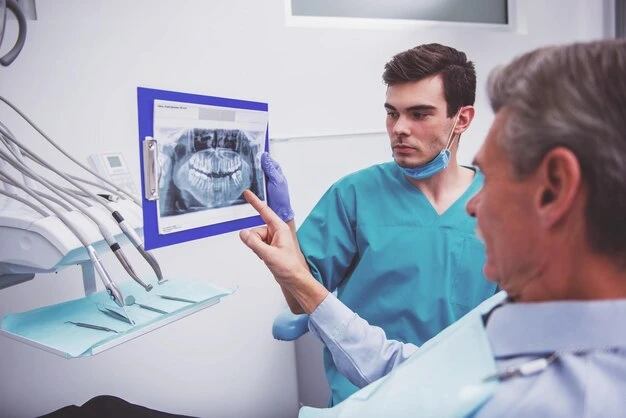

The importance of accurate diagnosis and precise treatment planning in modern dentistry cannot be understated. With the advent of technology, dental imaging has undergone a significant transformation, leading to the rise of Cone Beam Computed Tomography (CBCT) scans. This innovative imaging technique has revolutionized how dental professionals assess and plan treatments, offering many benefits over traditional imaging methods. In this comprehensive guide, we will explore the intricacies of CBCT scans, their advantages, applications, and the future they hold in dentistry.
Understanding CBCT: What Is It?
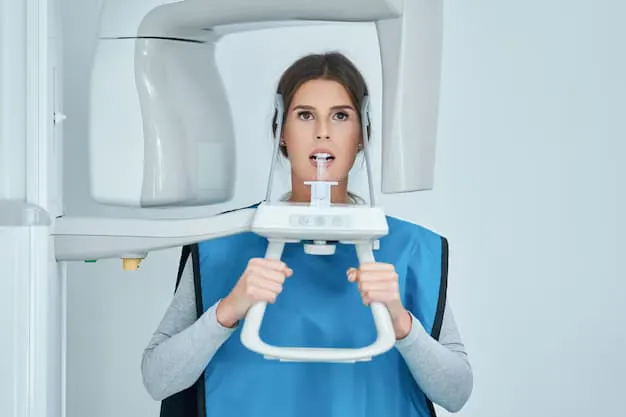
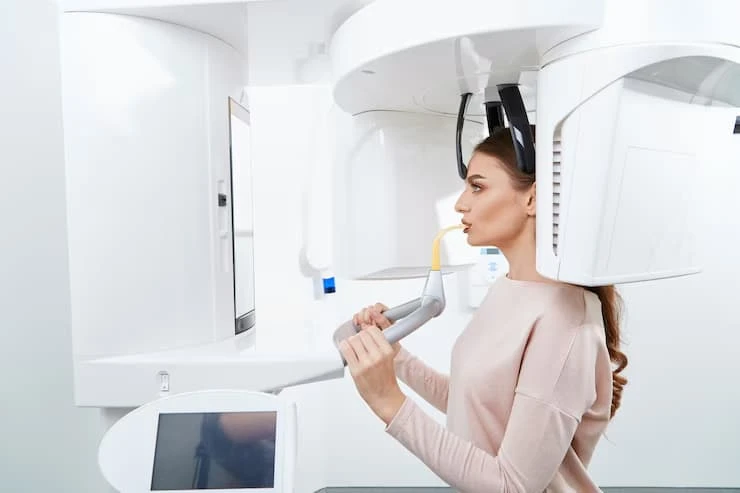
Cone Beam Computed Tomography (CBCT) is a specialized X-ray equipment that captures 3D images of dental structures, soft tissues, nerve pathways, and bone in a single scan. Unlike conventional 2D imaging methods such as panoramic radiography or standard X-rays, CBCT provides a detailed view of the anatomy, allowing for enhanced visualization of critical areas. The fundamental difference lies in how the images are captured; CBCT uses a cone-shaped X-ray beam rotating around the patient, acquiring multiple photos from various angles. These images are then reconstructed to produce a three-dimensional representation of the dental and maxillofacial region.
The high-resolution images produced by CBCT scans enable dental professionals to discern intricate details that would otherwise remain hidden in traditional imaging. This capability is particularly advantageous for complex cases where a thorough understanding of anatomical relationships is essential. CBCT scans facilitate improved diagnosis, treatment planning, and patient communication by providing a clear, three-dimensional view.
Advantages of CBCT Scans in Dentistry
Incorporating CBCT scans into dental practice offers numerous advantages that set it apart from conventional imaging techniques. One of the primary benefits is the reduction in radiation exposure. Although CBCT scans involve radiation, they typically expose patients to lower doses than traditional CT scans. This aspect is particularly crucial in dental settings, where minimizing radiation exposure is a priority, especially for pediatric patients.
Another significant advantage is the enhanced diagnostic capabilities. CBCT scans comprehensively assess dental structures, including teeth, roots, and surrounding bone. This level of detail is invaluable for diagnosing conditions such as impacted teeth, bone loss, and tumors. Additionally, the 3D nature of the images aids in visualizing complex spatial relationships, enabling dental professionals to formulate more accurate treatment plans.
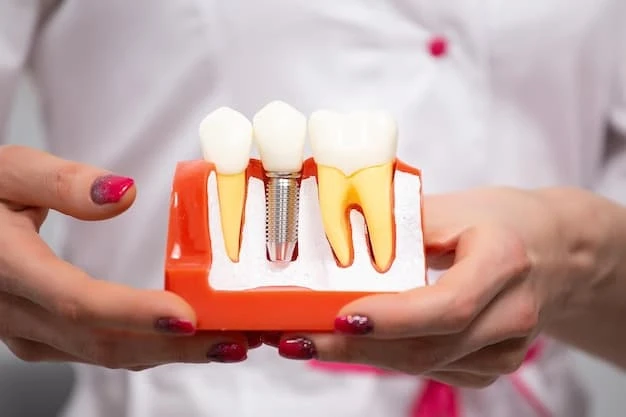
Furthermore, CBCT scans streamline the treatment planning process. For example, in implant dentistry, CBCT provides critical information about bone density, volume, and the proximity of vital structures such as nerves and sinuses. This information is indispensable for determining the ideal placement of dental implants, reducing the risk of complications during and after surgery. By utilizing CBCT scans, dental professionals can enhance their precision and improve patient outcomes.
Applications of CBCT in Dentistry
The versatility of CBCT scans extends to various dental specialties, making it an indispensable tool in contemporary dental practice. In orthodontics, CBCT imaging aids in assessing craniofacial structures, identifying skeletal discrepancies, and evaluating the impact of orthodontic treatment. Orthodontists can analyze the spatial relationships of teeth and bones with unparalleled accuracy, allowing for tailored treatment plans that address each patient's unique needs.
CBCT scans are crucial in diagnosing complex root canal systems in endodontics. The three-dimensional images enable endodontists to visualize the intricate anatomy of the tooth, including any additional canals that may be present. This enhanced visualization improves diagnosis and aids in successfully executing root canal treatments, ultimately increasing the likelihood of preserving natural teeth.
Periodontists benefit from CBCT technology, particularly when assessing periodontal disease and planning surgical interventions. The ability to visualize bone loss and the extent of periodontal involvement assists in creating effective treatment strategies. Moreover, CBCT scans can help evaluate bone grafting procedures, ensuring optimal outcomes for patients undergoing regenerative treatments.
The Future of CBCT in Dental Practice
As technology advances, the future of CBCT scans in dentistry appears promising. One potential development is integrating artificial intelligence (AI) into CBCT imaging. AI algorithms can analyze the vast amount of data generated by CBCT scans, assisting dental professionals in identifying anomalies and providing insights that enhance diagnostic accuracy. This integration could further streamline the treatment planning process and improve patient outcomes.
Moreover, ongoing research into reducing radiation exposure while maintaining image quality is a focal point in developing CBCT technology. Innovations in detector technology and imaging protocols aim to ensure patients receive the lowest possible dose without compromising image quality. This focus on patient safety aligns with the dental community's commitment to prioritizing patient well-being during diagnostics.
Additionally, as more dental practices adopt CBCT technology, the potential for interdisciplinary collaboration increases. Dental professionals from various specialties can share and leverage CBCT scans for comprehensive treatment planning, leading to improved patient care. The ability to collaborate effectively will enhance the overall quality of care, ensuring that patients receive the most informed and cohesive treatment possible.
In summary, the world of dental imaging has been profoundly transformed by the advent of CBCT scans. This cutting-edge technology empowers dental professionals with unparalleled diagnostic capabilities and precise treatment planning, enhancing patient care across various specialties. As advancements continue to unfold, the integration of CBCT scans into dental practice is poised to redefine the standards of care, ensuring that patients receive the best possible outcomes and a holistic approach to their oral health. Embracing this innovative technology is essential for dental practitioners who seek to stay at the forefront of the evolving landscape of dentistry.




























Sign in to leave a comment.