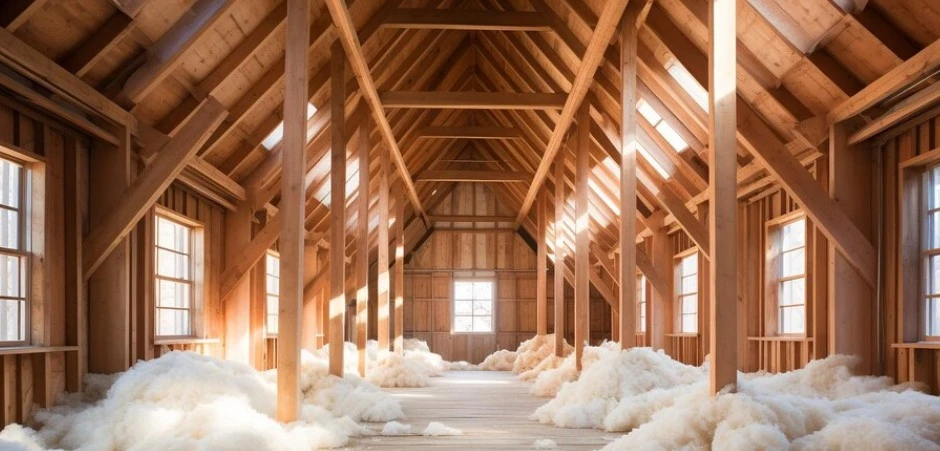

Homeowners across Australia are constantly seeking practical and cost-effective ways to reduce their energy consumption. One often overlooked solution lies just above your head—your ceiling. Specifically, investing in proper ceiling insulation batts can lead to substantial savings on energy bills while improving overall indoor comfort. This blog dives into how this simple upgrade delivers high-impact benefits, and why it should be on your home improvement radar.
Understanding the Role of Ceiling Insulation
Before diving into the benefits, it's essential to understand what ceiling insulation does. Heat naturally rises, which means in cooler months, a significant amount of warmth escapes through the roof. During summer, the same space becomes a channel for intense external heat to seep indoors. This thermal exchange forces heating and cooling systems to work overtime, ultimately increasing energy consumption.
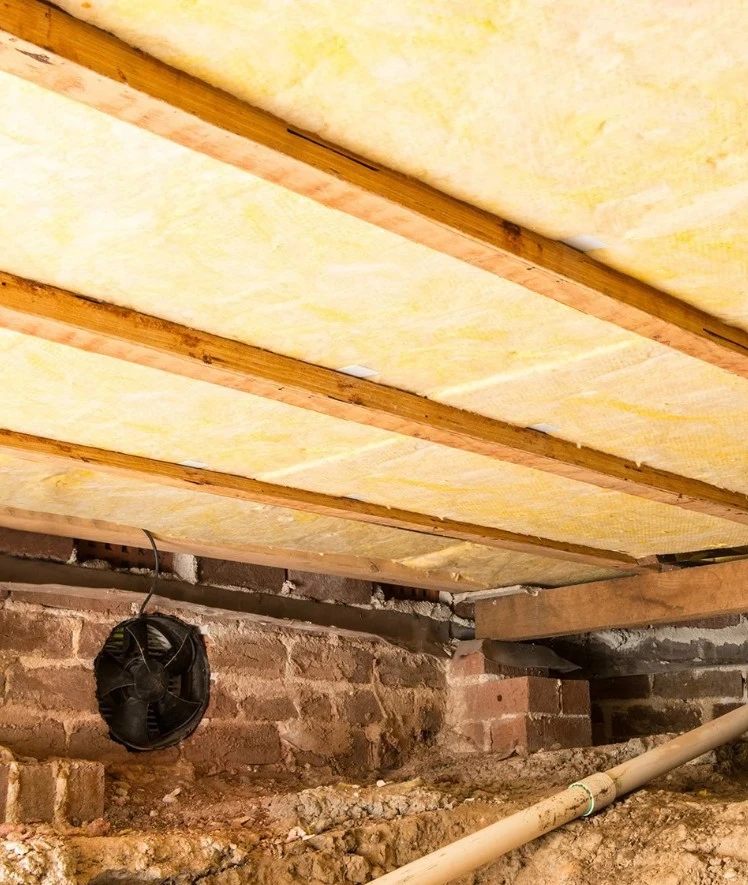
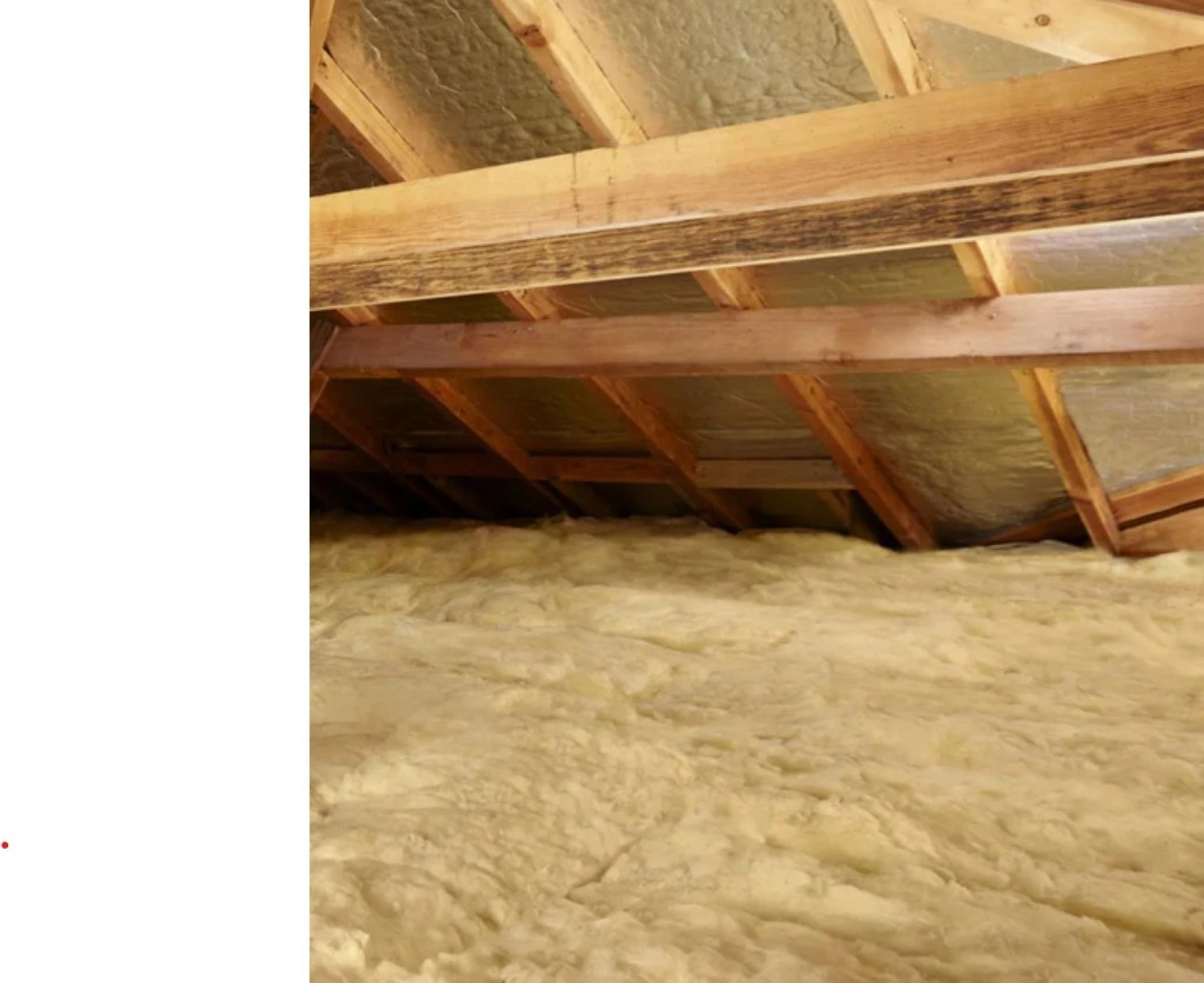
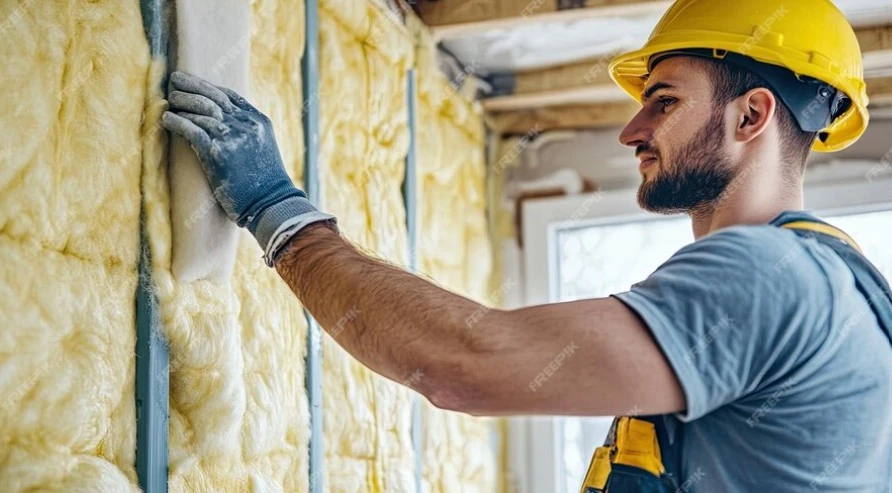
Ceiling insulation batts are dense, pre-cut pieces of insulation material—usually made from glass wool, polyester, or natural fibres—designed to fit snugly between ceiling joists. They act as a thermal barrier, reducing heat transfer between the interior of your home and the roof cavity.
Why Ceiling Insulation Batts Make Financial Sense
1. Reduced Energy Bills
Proper insulation reduces the need for continuous heating in winter and cooling in summer. By stabilizing indoor temperatures, ceiling insulation batts minimize the workload on HVAC systems, leading to significantly lower energy usage. In many homes, this translates to up to 40% in energy savings annually.
2. Improved Thermal Efficiency
Homes insulated with insulation batts tend to maintain more consistent indoor temperatures. This not only enhances comfort but also ensures energy systems operate more efficiently, consuming less electricity or gas in the process.
3. Long-Term Investment Value
Though the initial installation may seem costly, the return on investment is swift. Most homeowners recover the cost through energy savings within just a few years. Additionally, insulation requires little to no maintenance, making it a one-time upgrade with enduring benefits.
Environmental Impact and Sustainability
Energy efficiency isn’t just about cost-saving—it also aligns with broader environmental goals. By reducing reliance on heating and cooling appliances, homeowners indirectly decrease greenhouse gas emissions. Many insulation batts are manufactured from recycled materials, making them an eco-conscious choice.
By opting for high-quality ceiling insulation batts, households contribute to national efforts to combat climate change, while enjoying the practical perks of an energy-efficient living space.
How to Choose the Right Ceiling Insulation Batts
● R-Value Considerations
The R-value measures the insulation's resistance to heat flow—the higher the R-value, the better the thermal performance. For Australian climates, R-values between R3.5 and R6.0 are typically recommended for ceilings.
● Material Types
- Glass Wool: Popular for its fire resistance and affordability.
- Polyester: Hypoallergenic and ideal for households with allergies.
- Natural Fibre: Includes wool and cotton, offering excellent insulation with sustainable sourcing.
Choosing the appropriate insulation batts depends on regional climate, budget, and specific household needs.
● Professional Installation vs. DIY
While DIY installation is possible, particularly for experienced renovators, professional services ensure correct placement and compliance with safety standards—especially around electrical fixtures and ventilation systems.
FAQs About Ceiling Insulation Batts
Q1: How long do ceiling insulation batts last?
Most high-quality ceiling insulation batts last 20–50 years, depending on environmental conditions and installation quality.
Q2: Can I install insulation batts over existing insulation?
Yes, provided the existing insulation is not damp or damaged. It’s essential to avoid compressing the batts, as this reduces their effectiveness.
Q3: Are insulation batts fire-resistant?
Many modern insulation batts, especially glass wool varieties, are fire-resistant and meet Australian fire safety standards.
Q4: Will insulation help during summer as well?
Absolutely. Ceiling insulation batts act as a barrier against external heat, helping maintain cooler indoor temperatures during warmer months.
Q5: How do I know if my home needs better insulation?
Signs include uneven indoor temperatures, high energy bills, and difficulty maintaining a consistent temperature. A professional energy audit can confirm whether insulation upgrades are needed.
Conclusion
When it comes to energy efficiency, few home improvements offer the return on investment and comfort enhancements of ceiling insulation batts. Beyond just lowering energy bills, they create a more stable, healthier, and eco-friendly home environment. With rising utility costs and growing environmental concerns, now is an ideal time for homeowners to assess their insulation and consider this impactful upgrade.
If you're aiming to reduce your carbon footprint, save on energy expenses, and increase year-round comfort, insulation batts are not just a good idea—they're a smart one.
























Sign in to leave a comment.