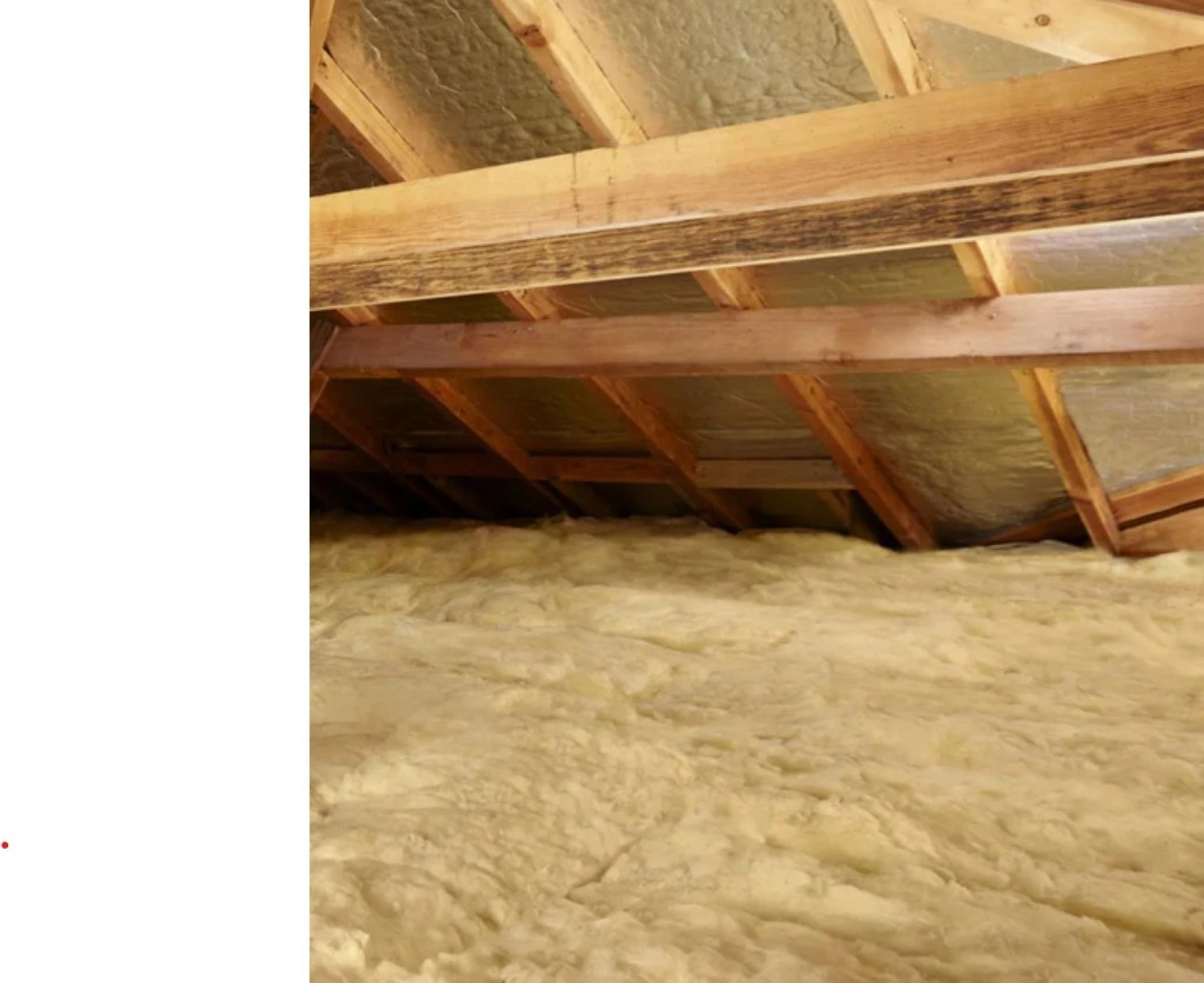

Energy efficiency has become a growing priority for homeowners and businesses alike. Rising utility costs and increased awareness of environmental impact are pushing property owners to find effective solutions for conserving energy. Among the many available options, ceiling insulation batts have emerged as a practical and cost-efficient way to reduce energy consumption. By creating a thermal barrier, insulation helps regulate indoor temperatures, making spaces more comfortable while minimizing the reliance on heating and cooling systems.
Understanding Ceiling Insulation Batts
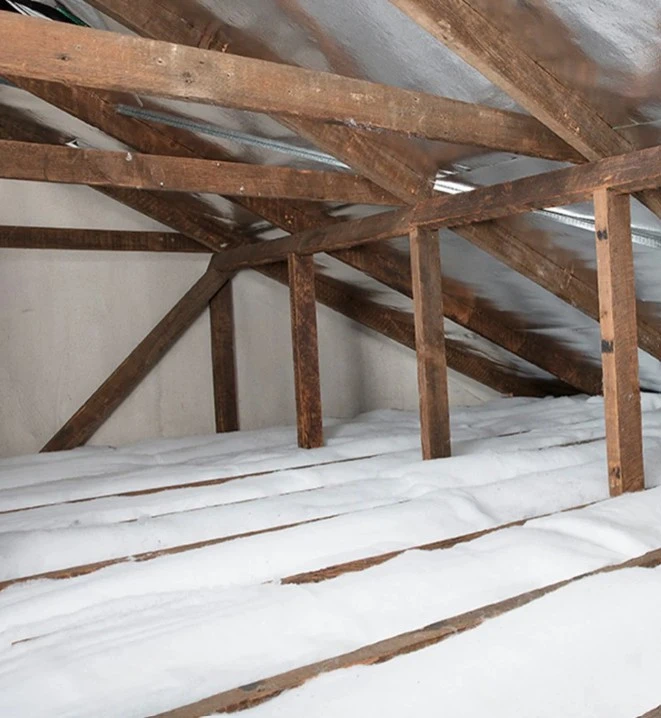
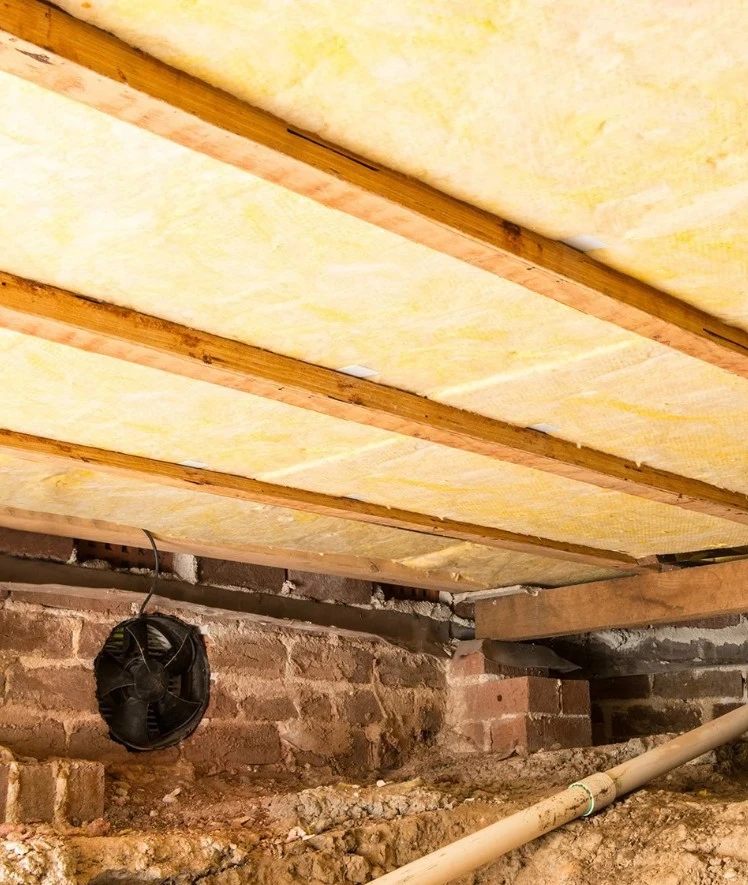
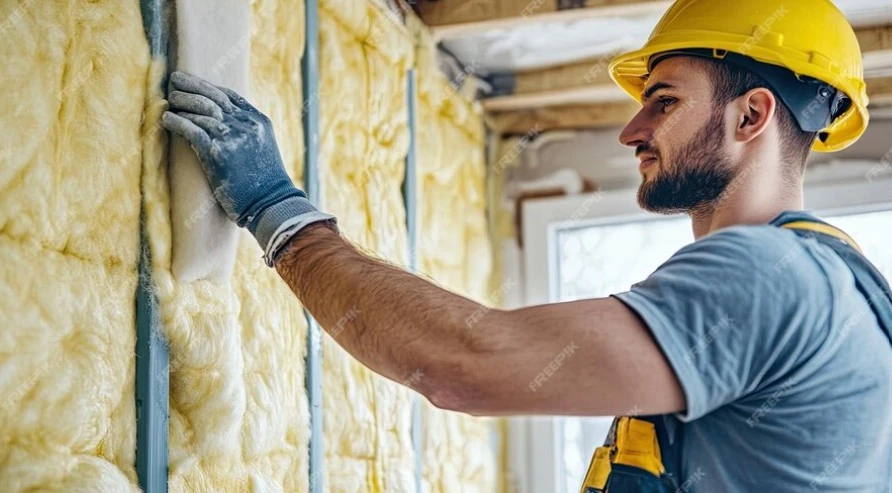
Insulation batts are pre-cut sections of insulating material designed to fit neatly between ceiling joists. They are commonly made from glass wool, polyester, or natural fibers, each offering varying levels of thermal resistance. Their primary function is to slow the transfer of heat, ensuring that indoor environments stay warmer in winter and cooler in summer. Unlike loose-fill insulation, batts are easier to handle, cut to size, and install, making them a popular choice for residential and commercial buildings.
How Ceiling Insulation Batts Improve Energy Efficiency
The effectiveness of insulation lies in its ability to reduce heat flow. In homes without proper ceiling insulation, a significant amount of energy is lost through the roof. During summer, heat penetrates through the ceiling, forcing cooling systems to work harder. In winter, warm air escapes, leading to increased heating demands. By installing ceiling insulation batts, property owners can significantly cut down on energy wastage. Studies have shown that properly insulated homes can reduce energy bills by up to 40%, depending on the climate and building design.
Cost Savings Beyond Energy Bills
While the most immediate benefit of insulation batts is reduced utility costs, the advantages extend much further. Well-insulated ceilings can lessen the strain on heating, ventilation, and air conditioning (HVAC) systems, prolonging their lifespan. This means fewer repair and replacement expenses over time. Additionally, some governments and local councils offer rebates or incentives for upgrading home insulation, providing another layer of financial relief for homeowners who choose to invest in energy-efficient improvements.
Enhancing Comfort and Indoor Air Quality
Apart from financial benefits, ceiling insulation contributes to a more comfortable living environment. By maintaining consistent indoor temperatures, it eliminates cold drafts in winter and excessive heat during summer. Furthermore, insulation can serve as a barrier to external noise, creating quieter indoor spaces. Certain types of insulation batts also resist moisture, reducing the risk of mold growth and improving overall air quality. This makes insulation a valuable investment not only for energy savings but also for health and wellbeing.
Environmental Impact of Insulation Batts
The environmental advantages of ceiling insulation are equally significant. By lowering energy consumption, insulated buildings contribute to reduced greenhouse gas emissions. Many modern insulation products are manufactured from recycled materials, further supporting sustainable practices. For property owners seeking to minimize their carbon footprint, ceiling insulation batts represent an effective and accessible solution.
Factors to Consider Before Installation
Before installing insulation, it is important to consider a few key factors:
- R-Value: This indicates the insulation’s thermal resistance. Higher R-values provide better performance, though the appropriate rating depends on the local climate.
- Material Choice: Glass wool is cost-effective, polyester is durable, and natural fibers are eco-friendly. Each material has its own advantages.
- Professional vs. DIY: While some batts can be installed by homeowners, professional installation ensures precision and maximizes performance.
- Existing Structure: Older homes may require additional preparation, such as sealing gaps or repairing roof leaks, before insulation can be fitted.
Common Myths About Ceiling Insulation Batts
Despite their effectiveness, several misconceptions about insulation still exist. Some believe insulation is only beneficial in cold climates, but in reality, it provides year-round energy regulation. Others assume that adding insulation to an already insulated home will always improve performance, but over-insulation can sometimes reduce ventilation and create moisture problems. Addressing these myths helps homeowners make more informed decisions when considering upgrades.
Long-Term Value and Return on Investment
The upfront cost of purchasing and installing ceiling insulation batts may seem significant, but the long-term return on investment is clear. Energy savings accumulate month after month, often allowing homeowners to recover their initial expenditure within a few years. Combined with the added comfort, increased property value, and potential rebates, insulation becomes one of the most cost-effective home improvements available today.
Conclusion
Ceiling insulation plays a critical role in energy conservation, cost reduction, and environmental sustainability. By installing ceiling insulation batts, property owners can achieve a balance of comfort and efficiency, benefiting both their finances and the planet. With multiple material options, proven performance, and long-term advantages, insulation remains a smart choice for anyone looking to improve their living or working environment.






















Sign in to leave a comment.