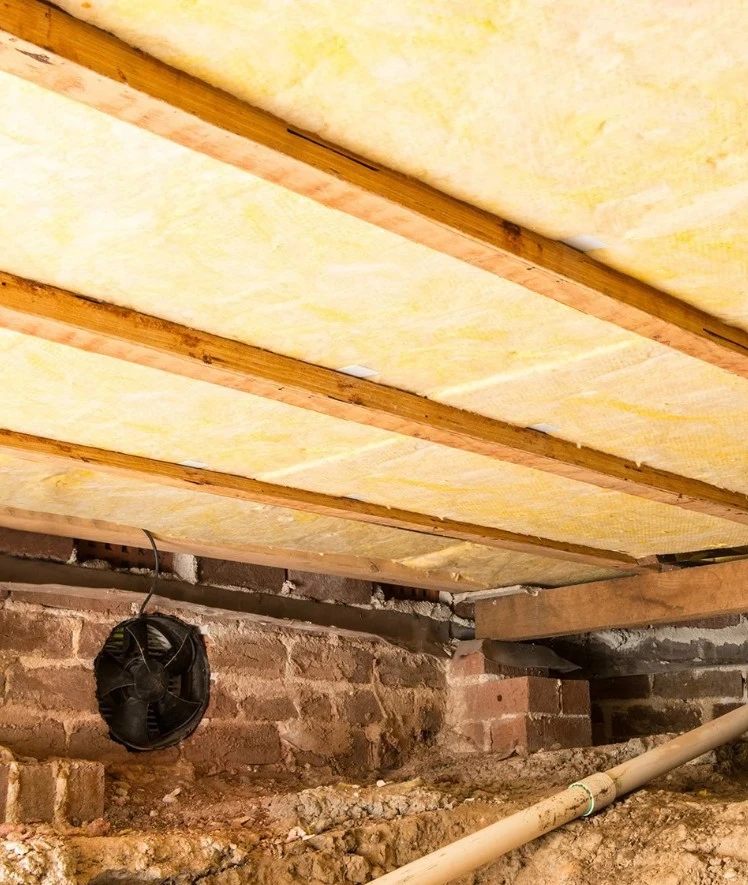

Reducing energy consumption and enhancing home comfort are priorities for many property owners, especially in regions that experience seasonal temperature extremes. While many focus on wall and ceiling insulation, one of the most overlooked yet highly effective solutions is underfloor insulation. This simple upgrade can dramatically improve a building’s energy efficiency, leading to noticeable savings on heating and cooling bills.

Why Underfloor Insulation Matters
Homes built on raised floors or with crawl spaces can lose a significant amount of heat through the floorboards. In winter, cold air seeps up from underneath, while in summer, uninsulated floors can trap unwanted heat. This temperature imbalance often forces HVAC systems to work harder, resulting in increased energy use and, subsequently, higher utility costs.
Underfloor insulation acts as a thermal barrier, helping to stabilize indoor temperatures by minimizing heat transfer through the floor. It not only improves comfort but also supports the long-term durability of flooring materials by reducing condensation and moisture buildup.
How Underfloor Insulation Works
Installing insulation beneath your floorboards involves creating a layer that resists the flow of heat. Most commonly, materials such as insulation batts are used due to their ease of installation, durability, and performance.
Insulation batts are pre-cut pieces of insulating material—often made from glass wool, polyester, or natural fibers—designed to fit snugly between the joists of a floor. These batts trap pockets of air, which are poor conductors of heat, thereby slowing down the movement of thermal energy.
When properly installed, underfloor insulation with batts can prevent up to 20% of heat loss from the home, depending on the climate and existing construction. This translates to reduced strain on heating and cooling systems, and in turn, lower energy bills.
Key Benefits of Installing Underfloor Insulation
1. Energy Efficiency
With heating and cooling accounting for a major portion of household energy use, adding insulation under the floor directly contributes to efficiency. It reduces the need for artificial temperature control, leading to consistent energy savings throughout the year.
2. Comfort Improvement
Cold floors are a common discomfort in winter. Underfloor insulation helps maintain a more uniform temperature across rooms, eliminating chilly spots and cold drafts near the floor.
3. Noise Reduction
In multi-story homes or apartments, floor insulation also acts as a sound barrier, dampening footstep noise and improving acoustic privacy between levels.
4. Eco-Friendliness
Improving a home’s thermal performance with insulation batts can significantly lower carbon emissions by reducing reliance on fossil-fuel-powered heating systems. This makes it a smart choice for environmentally conscious homeowners.
Choosing the Right Insulation Batts
Not all insulation batts are created equal. Key considerations when selecting materials include:
- Thermal performance (R-value): Higher R-values indicate better resistance to heat flow.
- Moisture resistance: Especially important in damp or humid climates.
- Fire safety: Look for products that meet national fire safety standards.
- Material composition: Options range from fiberglass and polyester to natural wool, each with distinct pros and cons in terms of cost, sustainability, and longevity.
Professional advice can help determine the best fit for your home’s specific requirements and climate zone.
Installation Considerations
Proper installation is crucial for maximizing the benefits of underfloor insulation. Gaps, compression, or loosely fitted batts can reduce effectiveness and allow thermal bridging. While some DIY enthusiasts tackle this task themselves, hiring a qualified installer ensures compliance with local building codes and optimal thermal performance.
During installation, additional measures—like sealing gaps, securing vapor barriers, and maintaining adequate ventilation—further enhance insulation results.
Frequently Asked Questions (FAQ)
1. Is underfloor insulation worth the investment?
Yes. The initial cost is often offset by long-term energy savings, improved comfort, and increased property value.
2. Can underfloor insulation be installed in older homes?
Absolutely. Most raised-floor homes, regardless of age, can benefit from retrofitting insulation batts under the floor, though professional assessment is recommended to evaluate feasibility.
3. How long does underfloor insulation last?
Quality insulation batts can last over 50 years with minimal maintenance, making them a reliable long-term solution.
4. Will it stop my floors from being cold in winter?
Yes. While it won’t make floors warm to the touch, it significantly reduces cold air penetration, making the indoor environment noticeably warmer and more comfortable.

Conclusion
Underfloor insulation is a practical and efficient way to reduce energy consumption, enhance indoor comfort, and contribute to sustainable living. When paired with high-performance insulation batts, the benefits multiply—making it a smart upgrade for homeowners seeking long-term value. Whether you’re retrofitting an existing home or planning new construction, don’t overlook what lies beneath your feet. The floor is not just a foundation—it’s a vital component in energy efficiency and home wellness.



























Sign in to leave a comment.