

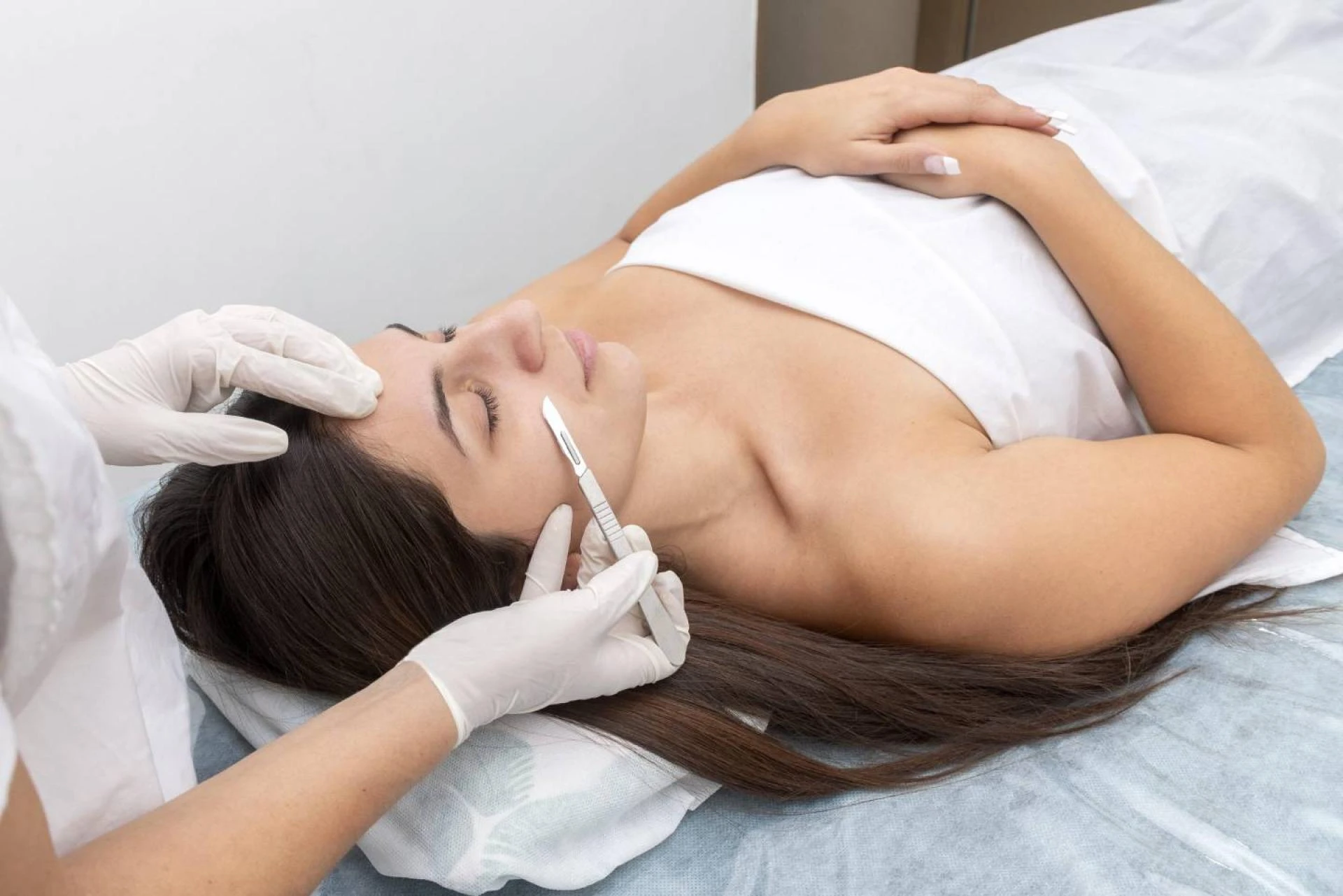
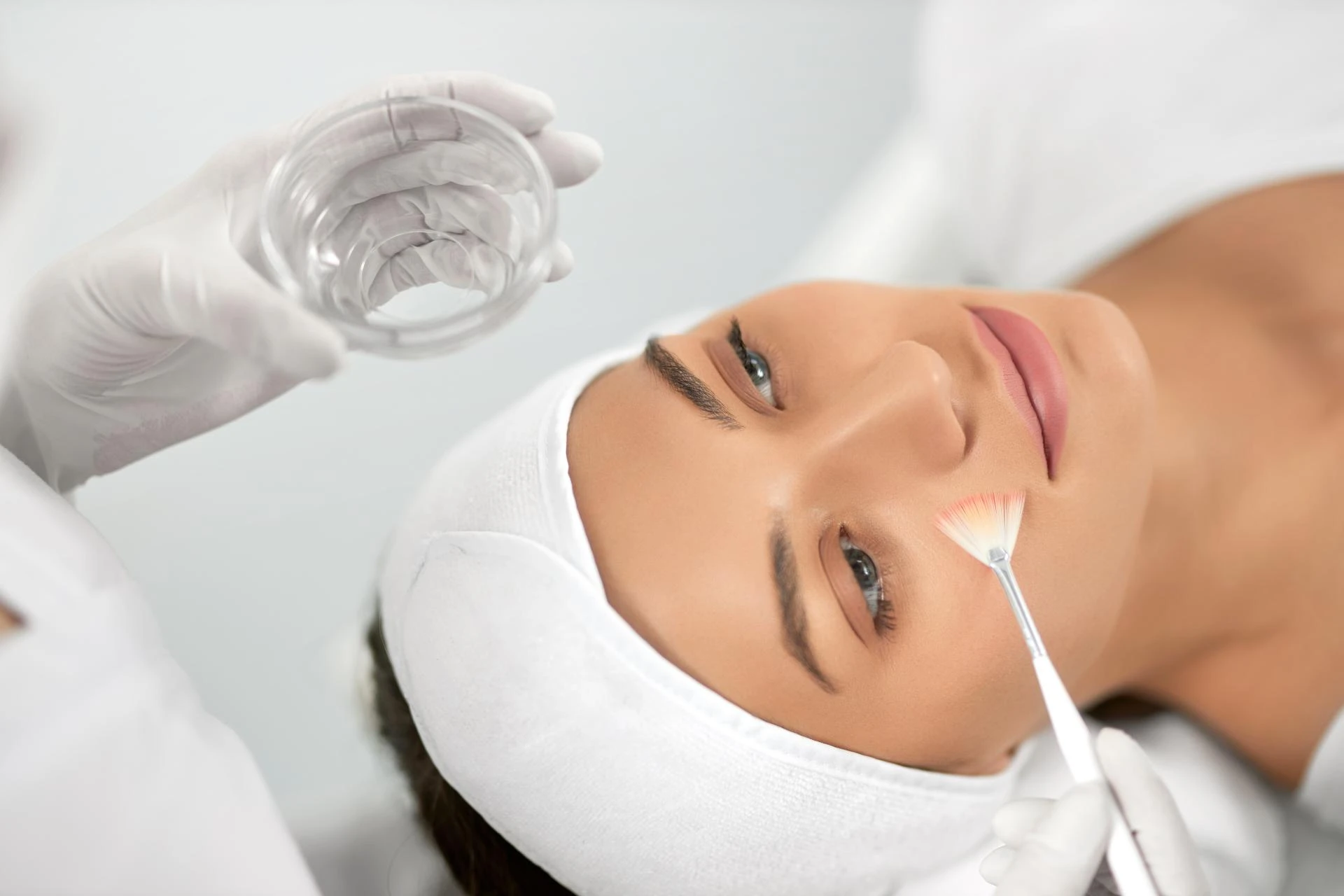
Chemical peels are dermatologic treatments used to improve skin texture, tone, and clarity by applying a controlled chemical solution to the skin’s surface. The solution works by exfoliating damaged outer layers of skin, which then shed naturally to allow healthier, smoother skin to emerge. Chemical peels are commonly used to address concerns related to aging, sun exposure, acne, and uneven pigmentation.
How Chemical Peels Work
The skin naturally regenerates over time, but this process can slow due to age, environmental exposure, and lifestyle factors. Chemical peels accelerate exfoliation by breaking down the bonds between dead skin cells. Once these cells are removed, the skin initiates a repair response that may stimulate collagen production and cell turnover.
The depth of a chemical peel determines how much of the skin is affected and how long recovery may take.
Types of Chemical Peels
Superficial peels use mild acids such as alpha hydroxy acids to exfoliate the outermost layer of skin. They are often used to improve dullness, mild discoloration, and uneven texture, with minimal downtime.
Medium depth peels typically use agents like trichloroacetic acid to penetrate deeper into the skin. These peels may help improve moderate wrinkles, acne scars, and pigmentation issues, with a longer recovery period.
Deep peels reach deeper layers of the skin and are used for more advanced skin concerns. These treatments require careful medical evaluation and extended healing time.
Common Skin Concerns Addressed
Chemical peels may be used to support improvement in:
- Fine lines and wrinkles
- Acne and post acne marks
- Sun damage and age spots
- Uneven skin tone and texture
- Mild scarring and enlarged pores
Results vary based on skin type, peel strength, and adherence to post treatment care.
Safety and Aftercare
Chemical peels should be selected based on skin condition, medical history, and treatment goals. Temporary redness, peeling, and sensitivity are common during the healing phase. Sun protection and proper skincare are essential after treatment to support recovery and prevent complications.
At RxWellness Med Spa, chemical peel treatments are provided following a clinical assessment to ensure appropriate peel selection and patient safety.
Conclusion
Chemical peels are widely used skin resurfacing treatments that support exfoliation and skin renewal. When properly selected and administered, they can play a role in maintaining skin health and addressing common cosmetic concerns as part of a comprehensive skincare approach.





























Sign in to leave a comment.