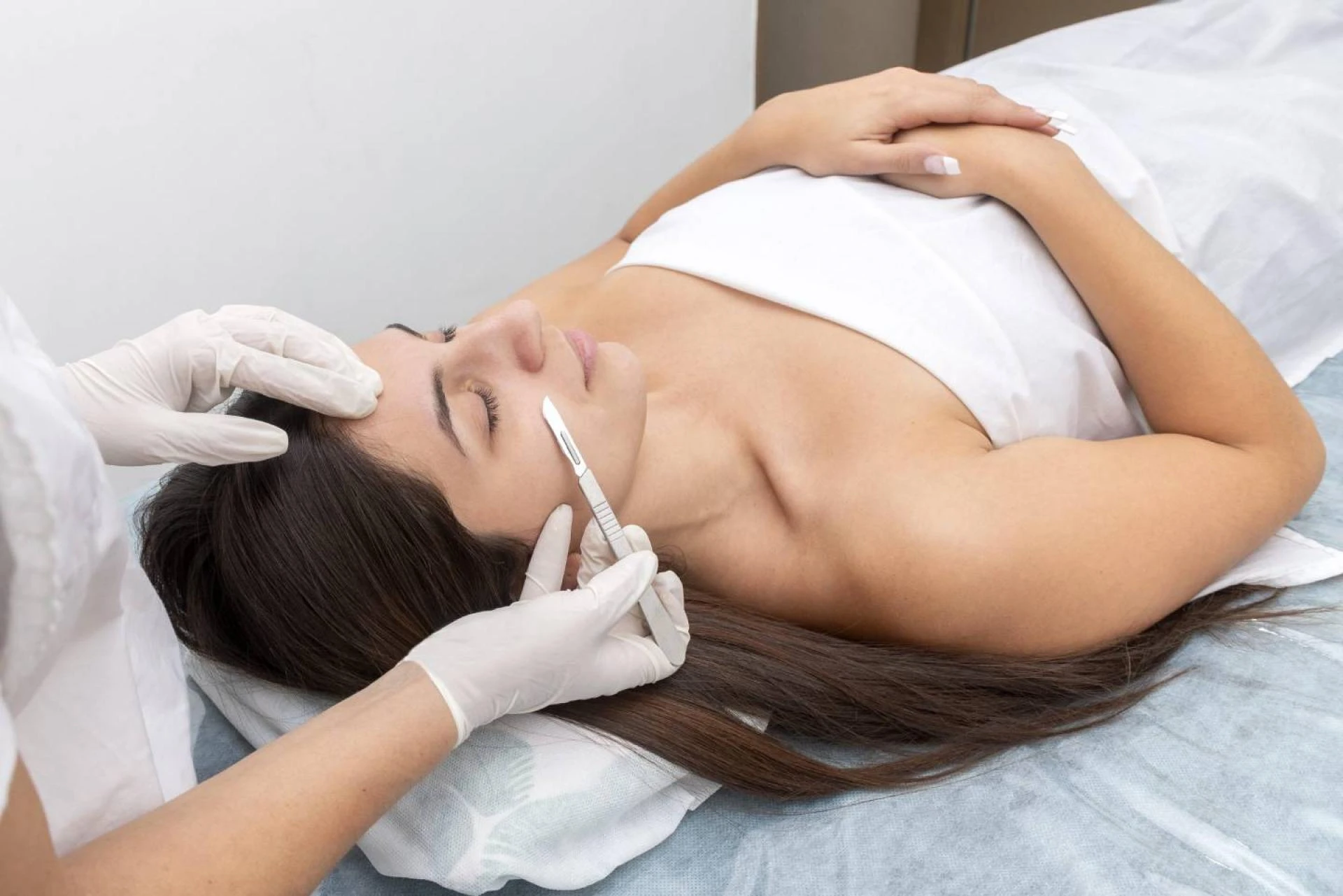

Dermaplaning has emerged as a widely accepted exfoliation technique within modern aesthetic medicine. Known for its ability to improve skin texture and clarity, this non-invasive procedure is increasingly recommended for patients seeking immediate results with minimal risk. As demand for effective yet gentle treatments grows, dermaplaning continues to gain relevance in professional skincare settings.
Procedure Overview
Dermaplaning is performed using a sterile, medical-grade blade to manually exfoliate the skin. The procedure involves carefully removing the outermost layer of dead skin cells along with fine vellus hair. This controlled exfoliation reveals a smoother epidermal surface and promotes a more even skin tone.
Clinical Benefits
One of the primary clinical advantages of dermaplaning is enhanced skin texture. By eliminating surface debris, the procedure helps reduce the appearance of fine lines, superficial acne scars, and mild hyperpigmentation. It also improves light reflection on the skin, resulting in a brighter and more uniform complexion.
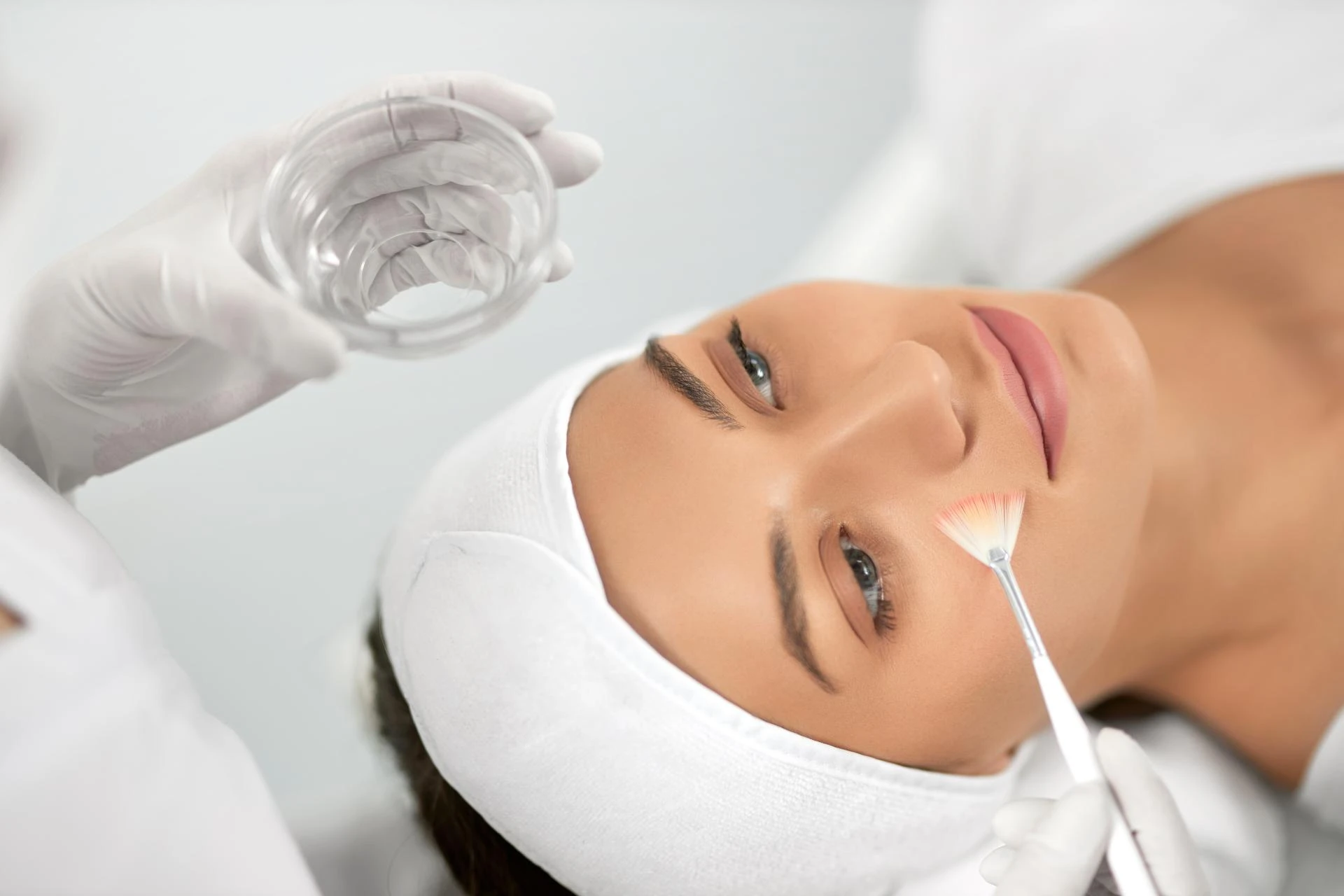
Additionally, dermaplaning facilitates improved absorption of topical skincare products. With the removal of the outer barrier, active ingredients can penetrate more effectively, increasing the overall efficacy of treatment regimens.
Patient Suitability
Dermaplaning is appropriate for a wide range of skin types, particularly those experiencing dryness, dullness, or uneven texture. It is especially beneficial for individuals who prefer a non-chemical exfoliation method. However, patients with active acne, inflamed skin, or certain dermatological conditions may require alternative treatments.
Safety and Best Practices
When performed by trained professionals, dermaplaning is a safe and controlled procedure. Proper technique, sterile tools, and pre-treatment evaluation are essential to minimize risks such as irritation or minor abrasions. Post-treatment care, including hydration and sun protection, is critical to maintaining results and protecting the skin barrier.
Integration into Skincare Protocols
Dermaplaning is often incorporated into broader skincare protocols, including facials and advanced treatments. Regular sessions spaced every few weeks can help maintain consistent results and support long-term skin health.
Conclusion
Dermaplaning offers a clinically effective solution for improving skin texture and radiance without invasive measures. As part of a comprehensive skincare strategy, it supports both immediate and long-term skin improvement. Practices such as RxWellness Aesthetics & Anti Aging integrate dermaplaning into personalized treatment plans, enhancing outcomes through professional expertise and tailored care.






















Sign in to leave a comment.