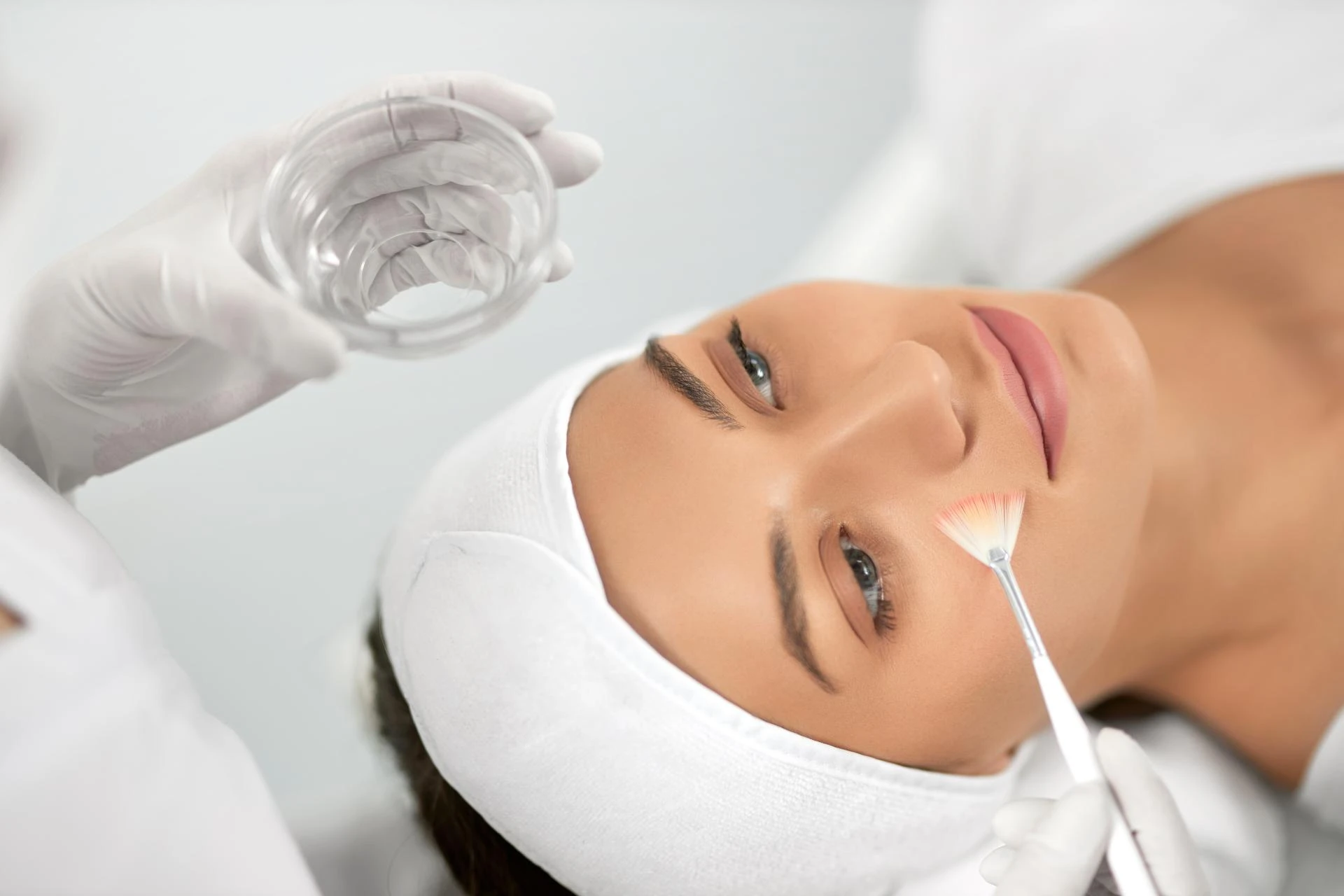

Healthy, glowing skin is often a reflection of consistent skincare and proper treatments. Over time, however, environmental stress, aging, and lifestyle factors can affect the skin’s texture and tone. One treatment that has gained popularity in dermatology and aesthetic medicine is the chemical peel, a procedure designed to restore smoother and more youthful-looking skin.
What Is a Chemical Peel?
A chemical peel is a cosmetic skin-resurfacing procedure in which a specialized solution is applied to the skin to exfoliate damaged outer layers. As these layers shed, the body naturally produces new skin cells, revealing a fresher and more refined complexion.
Chemical peels are commonly used to treat concerns such as:
- Dull or uneven skin tone
- Sun damage
- Acne and acne scars
- Fine lines and early wrinkles
- Hyperpigmentation and dark spots
By encouraging cellular renewal, chemical peels help improve the skin’s clarity and overall appearance.
How Chemical Peels Work
The treatment works by applying carefully formulated acids to the skin. These acids break down the bonds between dead skin cells, allowing them to exfoliate more effectively. Once the damaged surface layers are removed, new skin cells emerge, resulting in smoother and healthier-looking skin.
The depth of the peel determines the intensity of the treatment and the type of results expected.
Light Chemical Peels
Light peels target the outermost layer of the skin and are often used to treat mild discoloration, dryness, and dullness. These treatments typically require little to no downtime and can be repeated regularly.
Medium Chemical Peels
Medium-depth peels reach deeper layers of the skin and are effective for improving moderate wrinkles, acne scars, and pigmentation issues. Recovery may involve mild peeling and redness for several days.
Deep Chemical Peels
Deep peels are more intensive and are usually recommended for severe sun damage or deeper wrinkles. These procedures must be performed under professional supervision due to their strength.
Benefits of Chemical Peels
Chemical peels are widely recommended by skincare professionals because they can deliver noticeable improvements without invasive procedures. Some of the key benefits include:
- Brighter and more even skin tone
- Reduction in acne breakouts
- Smoother skin texture
- Minimized appearance of pores
- Improved absorption of skincare products
When incorporated into a well-designed skincare plan, chemical peels can significantly enhance overall skin health.
Post-Treatment Care
After a chemical peel, the skin may appear slightly red and sensitive. Over the next few days, mild peeling may occur as the skin renews itself. It is important to follow professional aftercare instructions, which typically include using gentle skincare products and applying sunscreen regularly to protect the newly revealed skin.
Professional Guidance Matters
Because each person’s skin is unique, selecting the appropriate type of chemical peel requires a professional assessment. A trained provider can evaluate your skin concerns and recommend the most suitable treatment plan.
Practices like RxWellness Aesthetics and Antiaging emphasize personalized skincare approaches that help patients achieve healthier and more radiant skin. With expert guidance and proper care, chemical peels can be a safe and effective step toward long-term skin rejuvenation.



























Sign in to leave a comment.