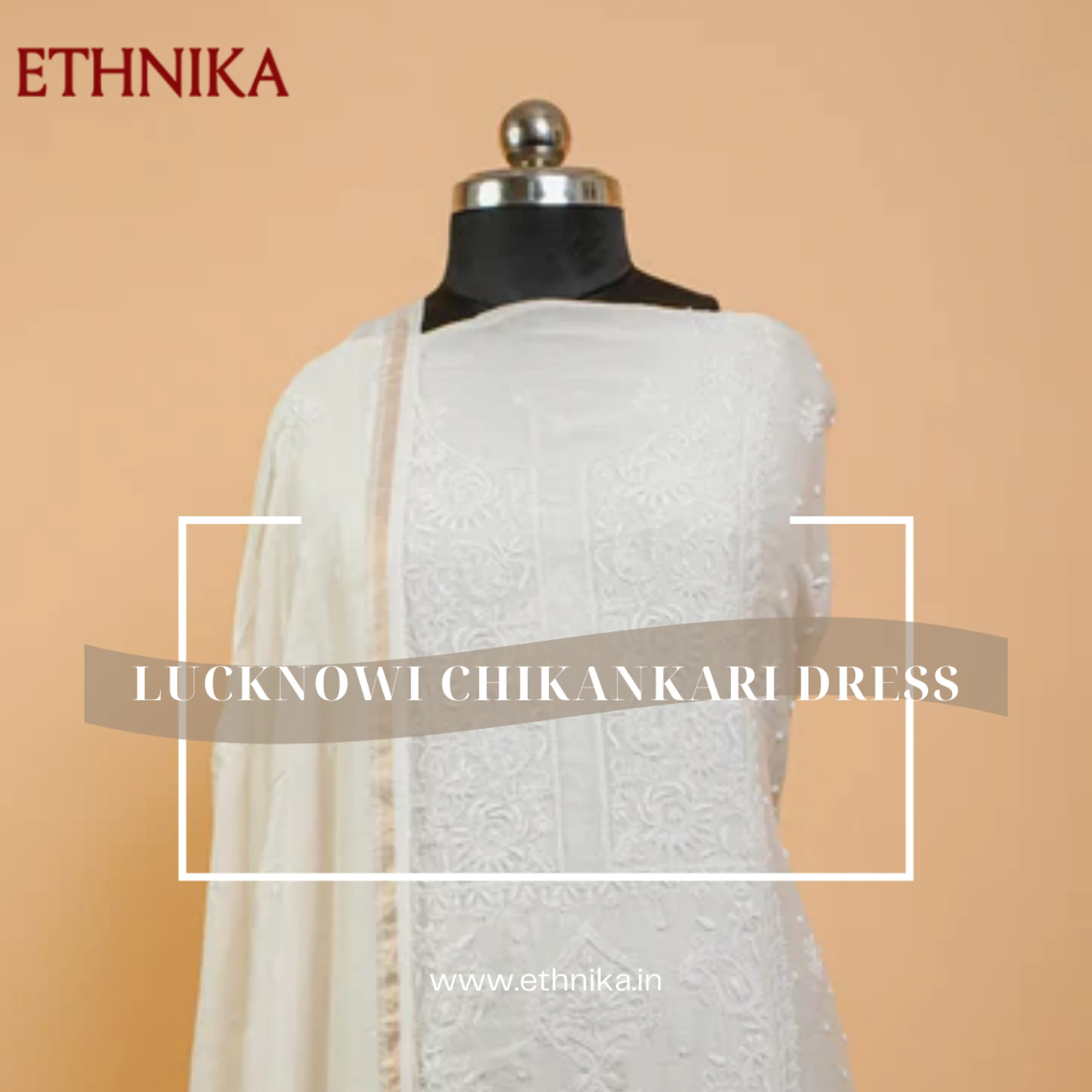

There’s something deeply graceful and timeless about a Chikankari salwar suit — it’s light, elegant, modest, and yet fashion‑forward enough for today’s modern woman. Whether you want a comfortable everyday outfit, something classy for work, or a refined look for a festive gathering, a Chikankari salwar suit effortlessly bridges heritage and contemporary style.
If you’d like to explore a curated range of Chikankari salwar suits, you can browse online collections here:
Chikankari Salwar Suits
In this post, we’ll walk you through the heritage of Chikankari, what makes Chikankari salwar suits special, how to choose the right one, styling ideas, and how to care for them — so you invest in pieces that stay elegant for years.
🌿 What is Chikankari? A Glimpse into History and Craft
Origins of the Art
Chikankari is a traditional embroidery style from the city of Lucknow in Uttar Pradesh.
Though embroidered muslins have been used in India for centuries, the modern form of Chikankari is widely believed to have been introduced under the patronage of Noor Jahan, the Mughal empress.Over time, artisans in Lucknow refined the embroidery into a delicate, elegant craft — one that garnered deep respect for its finesse, subtlety, and artistry.
What Makes It Unique
At its core, Chikankari is renowned for:
- Intricate hand embroidery: Often using white thread on light fabrics (originally muslin or fine cotton), though modern versions also use coloured threads and richer fabrics.
- A variety of stitches: The craft includes dozens of different stitch styles — from flat shadow‑work stitches to embossed stitches, jaali (open net‑like) work, and more.
- Soft, breathable fabrics: Because Chikankari works best on delicate or light fabrics — cotton, chiffon, georgette, muslin, silk blends — the result is comfortable wear, especially suited to our Indian climate.
What began centuries ago as elegant white‑on‑white work has evolved. Modern designs now include coloured embroidery, richer fabrics, and contemporary cuts — but the soul of Chikankari remains the same: subtle sophistication, exquisite craftsmanship, and effortless elegance.
Why a Chikankari Salwar Suit Should Be in Your Closet
A Chikankari salwar suit blends comfort, tradition, versatility, and timeless style. Here’s why it deserves a place in every woman’s wardrobe:
Comfort & Ease — Everyday Friendly
Made from lightweight fabrics and embroidered delicately, Chikankari suits are breathable and easy to wear for long hours — ideal for daily wear, office wear, college, travel, or casual outings.
Elegance Without Heaviness
You don’t need heavy embellishments or loud designs to make a statement. Chikankari delivers refined elegance — its subtle embroidery often speaks louder than glittery party wear.
Versatile for Multiple Occasions
Whether you’re dressing for a casual day out, a festive function, a family gathering, a religious event, or even a semi-formal occasion — a Chikankari salwar suit can adapt beautifully.
Heritage & Culture Woven In
When you wear Chikankari, you’re not just wearing a garment. You’re carrying centuries of artistry, tradition, and the legacy of craftspeople from Lucknow.
Flattering for All Body Types & Ages
Due to the flowy nature of fabrics and soft embroidery, Chikankari suits suit almost every body type — and every age group.
Exploring Different Types of Chikankari Salwar Suits
Today’s fashion scene offers a variety of Chikankari salwar suits — depending on your taste, occasion, and comfort needs. Here are popular types that you should consider:
TypeWhen to Wear / Ideal ForCotton / Mul‑mul / Muslin Chikankari SuitEveryday wear, work, summer outings — breathable and lightGeorgette or Chiffon Chikankari SuitCasual outings, family functions; a slightly dressy yet comfortable vibeSilk or Silk‑blend Chikankari SuitFestive occasions, weddings, special events — for a richer, elegant lookOrganza / Chanderi / Premium Fabric Chikankari SuitSemi-formal functions, brunch parties, festive get‑togethersPastel & Soft‑colour Chikankari SuitDaytime events, casual meetings — subtle, classy, understatedColourful / Contemporary Chikankari Suit (modern stitches/contrasts)For those who love a modern twist — suitable for festive or social occasions
Because Chikankari embroidery works well on fine fabrics, you’ll find suits in cotton, muslin, georgette, chiffon — and even silk — giving you flexibility to choose based on season, comfort, and occasion.
How to Choose the Perfect Chikankari Salwar Suit Online
Shopping online for Chikankari salwar suits is convenient, but it’s helpful to keep a few pointers in mind to ensure you get authentic, high-quality pieces:
1. Look for Authentic Embroidery
- Stitching: Authentic Chikankari will have slight irregularities — a sign of hand embroidery. Over‑perfect symmetry often signals machine work.
- Motifs & Detailing: Traditional Chikankari uses floral, paisley, creeper and jaali motifs. Look for fine detailing rather than bold, heavy embellishments.
- Fabric: Light, soft fabrics like cotton, chiffon, georgette, muslin — which highlight embroidery beautifully.
2. Choose the Fabric & Style Based on Usage
- Daily wear / Work / Travel: Cotton or muslin suits
- Casual meetups / daytime events: Georgette / chiffon suits in soft colours
- Festivals / special occasions: Silk or silk‑blend suits, or richer georgette/organza suits
3. Colour & Shade Matter
Soft pastels — whites, creams, powder‑pink, mint, baby‑blue — pair wonderfully with Chikankari. But modern suits also come in deeper or contrasting hues if you prefer something bolder while retaining elegance.
4. Pay Attention to Fit & Cut
Straight-cut kurtas, Anarkali cuts, palazzo sets, or A-line suits — pick what flatters your body type while ensuring comfort and grace.
5. Check Product Images & Reviews Closely
Because embroidery is detailed, zoom into photos to inspect stitch quality, fabric texture, embroidery density. Reviews and customer feedback help verify real-life quality and comfort.
Styling Tips: How to Wear Your Chikankari Salwar Suit with Grace
A well-chosen Chikankari suit looks elegant on its own — but how you style it can elevate your look further. Here are styling suggestions:
Casual & Everyday Look
- Pair your cotton or soft georgette Chikankari suit with simple sandals or juttis.
- Keep jewellery minimal — small stud earrings or delicate danglers.
- Light makeup, natural hair (loose or ponytail) — for a relaxed, effortless vibe.
Work / Office / Day Wear
- Go for pastel-coloured Chikankari suits with straight cuts or A-line fit.
- Pair with lightweight dupatta, minimal jewellery (small earrings, slim bangles), and comfortable flats or low heels.
- Blush-neutral makeup; neat hair (bun or ponytail) for a sophisticated look.
Festive, Family, Social Gatherings
- Choose silk or richer fabric Chikankari suits — deeper shades or classic white-on-cream with embroidery.
- Add statement jewellery: oxidised silver earrings, jhumkas, simple necklace or bangles.
- Style with mojaris or embellished sandals; let the dupatta have a subtle border for extra elegance.
Wedding or Traditional Functions
- Opt for silk or silk-blend Chikankari salwar suit with heavier embroidery or subtle embellishments.
- Accessorize with ethnic jewellery — kundan, pearls, or temple jewellery depending on your style.
- Hairstyle: neat bun or braid; makeup: bold lips or defined eyes.
Because Chikankari is subtle and airy, it gives you a lot of flexibility — whether you want to stay traditional or mix it up with modern fashion sensibilities.
Caring for Your Chikankari Salwar Suit: Maintenance Tips
To keep your Chikankari pieces looking fresh and lasting longer — follow these care tips:
- Prefer gentle hand wash (mild detergent + cold water) — especially for cotton or delicate fabrics.
- For georgette, chiffon, silk: dry clean is often safest.
- Dry in shade — avoid direct sunlight which can fade pastel shades.
- Iron on low heat, inside-out — be gentle around embroidery so as not to flatten the stitches.
- Store carefully — fold with soft tissue paper if possible. Avoid hanging heavy suits for long as embroidery and fabric may stretch.
Proper care ensures the delicate stitches, light fabric, and embroidery texture remain intact for years.
Why Buying Chikankari Salwar Suits Online Makes Sense
Online shopping has revolutionized how we access traditional Indian wear. Here's why it works remarkably well for Chikankari:
- Wide range of fabrics, colours, cuts & designs — from everyday cotton suits to elegant silk or georgette festive pieces.
- Easy comparison — inspect multiple options side by side before deciding.
- Access to skilled craftsmanship — many online stores collaborate directly with artisans from Lucknow, ensuring craftsmanship is authentic.
- Convenience — ordering from home, home delivery, easy exchange/return policies.
- Transparent pricing & value-for-money — often better than boutique markups, especially for hand-embroidered authentic work.
When choosing a store, ensure that they provide detailed product descriptions, close-up images, fabric and embroidery details — all of which matter for quality Chikankari.
Frequently Asked Questions (FAQ)
1. What makes a salwar suit “Chikankari”?
A salwar suit earns the name “Chikankari” when it features intricate embroidery done in the traditional Chikankari style — typically hand‑stitched, often with light thread work (originally white on white), and created on fabrics like cotton, muslin, georgette, chiffon, or silk.
2. Is Chikankari suitable for everyday wear?
Yes — Chikankari suits made of cotton or lightweight fabrics are extremely comfortable, breathable, and perfect for everyday wear, office wear, or casual outings.
3. Can I wear a Chikankari salwar suit for festive or special occasions?
Absolutely. For festive events or special occasions, go for silk or silk-blend suits, rich georgette, or suits with heavier embroidery or embellishment. The elegance of Chikankari adapts beautifully to festive and traditional environments.
4. How to identify authentic (handmade) Chikankari vs. machine embroidery?
Authentic Chikankari often shows slight irregularities in stitching — a sign of handwork. The embroidery feels soft, with visible thread work on the reverse (knots, loose ends) — machine embroidery tends to look too uniform and lacks subtle depth.
5. Which fabrics work best for Chikankari salwar suits?
Lightweight and soft fabrics — cotton, muslin, chiffon, georgette — are the most commonly used. For a more luxurious or festive look, silk or light silk-blend fabrics are also popular.
6. How to care for a Chikankari suit?
Hand wash in cold water with mild detergent (for cotton). For delicate fabrics (silk, georgette), prefer dry cleaning. Dry in shade, iron inside-out on low heat, and store folded with soft tissue paper. Avoid rough handling to protect delicate stitches.
7. Why is Chikankari associated with Lucknow?
Chikankari reached its refined form and popularity under the patronage of Nawabs in Lucknow. Over centuries, artisans in Lucknow perfected the embroidery stitches and patterns — earning Chikankari a unique identity associated with the city. The craft’s significance was further recognized when Chikankari from Lucknow was granted a Geographical Indication (GI) status.
Final Thoughts
A Chikankari salwar suit isn’t just a piece of clothing — it’s a tribute to generations of skilled craftsmanship, cultural heritage, and timeless elegance. Whether you want something simple and breezy for everyday wear or a graceful, refined outfit for festivals and functions — Chikankari suits deliver.
If you’re looking to add this blend of tradition and style to your wardrobe, begin exploring curated collections online. A world of graceful embroidery, soft fabrics, and timeless design awaits.
Embrace the subtle charm and elegance of Chikankari — wear tradition with pride, comfort, and flair.
















Sign in to leave a comment.