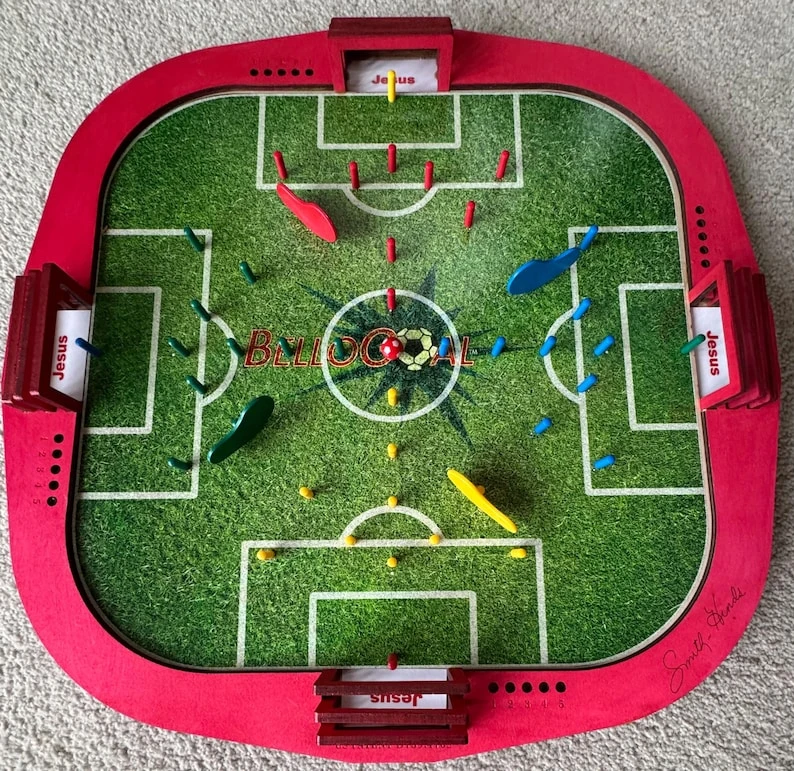

In a world filled with digital devices and on-demand entertainment, there’s something timeless about gathering around a table to play board games. These games have been a source of laughter, learning, and bonding for generations, offering children a chance to unplug and connect with family or friends. Among the many varieties available today, board games stand out as a wonderful way to nurture young minds while fostering essential life skills.
This article explores why these games matter, what benefits they bring, and how to choose the best options for children.
Why Board Games Still Matter in a Digital Age
It’s easy to assume that video games and mobile apps have replaced board games. However, traditional tabletop play continues to thrive. Unlike screen-based entertainment, board games require face-to-face interaction, collaboration, and patience. They encourage kids to think critically, follow rules, and communicate effectively; all skills that are sometimes overlooked in digital play.
For parents and educators, board games provide a structured yet enjoyable activity that balances fun with learning. Instead of solitary screen time, kids get the chance to experience teamwork, creativity, and competition in a safe environment.
The Benefits of Board Games
Choosing the right child-friendly board games is more than just picking something colorful. Age-appropriate games offer unique benefits that go beyond fun. Here are some of the most valuable advantages:
1. Cognitive Development
Board games often involve counting, strategy, memory, or problem-solving. These activities strengthen critical thinking and sharpen a child’s ability to process information.
2. Social Skills
Games require players to take turns, share, and communicate. For children, this is an excellent way to practice manners, cooperation, and teamwork.
3. Emotional Growth
Learning how to win gracefully and lose respectfully is a key life skill. Child-friendly games create safe opportunities for kids to handle both outcomes.
4. Family Bonding
Board games offer families the chance to spend meaningful time together without distractions. These moments create lasting memories while strengthening relationships.
5. Educational Value
Many games incorporate numbers, words, or logic puzzles in creative ways. They make learning engaging and enjoyable, even outside of the classroom.
Qualities That Make a Game Child-Friendly
Not all board games are suited for children, which is why the term child-friendly board games is important. Here’s what makes a game ideal for younger players:
● Age Appropriateness: Rules and gameplay should be simple enough for kids to grasp without constant adult guidance.
● Safety: Pieces should be durable and free from small parts that pose choking hazards.
● Educational Elements: Games that subtly teach math, reading, or problem-solving skills are especially valuable.
● Replayability: The best games keep children interested and excited to play again and again.
● Inclusivity: Games that allow multiple players make it easier for siblings and friends to join in.
Examples of Popular Categories
Child-friendly board games come in many forms, each offering a different type of play experience:
1. Classic Family Games
These are easy-to-learn, fast-paced games that emphasize fun and interaction. They are perfect for introducing young children to the idea of structured play.
2. Educational Games
These focus on teaching specific skills like vocabulary, math, or memory. They are excellent for parents who want playtime to double as a learning opportunity.
3. Strategy Games for Kids
Simplified strategy games help children develop planning and decision-making abilities while still keeping gameplay lighthearted.
4. Cooperative Games
Instead of competing against each other, players work together toward a common goal. These games encourage teamwork and reduce conflict.
5. Storytelling Games
Games that involve creativity and imagination give children the chance to explore narratives, role-play, and think outside the box.
Tips for Parents Choosing the Right Game
When browsing shelves or online stores, the selection can feel overwhelming. Here are some practical tips to help parents pick the right board game for their children:
Match the Game to the Child’s Age: Check recommended age ranges to ensure the content and rules are appropriate.
Consider Group Size: Choose games that can be played with the number of participants you usually have: siblings, parents, or friends.
Think About Time: Some games are quick and light, while others may take longer. Pick based on your child’s attention span.
Look for Educational Value: Games that combine fun with learning can be especially rewarding.
Test for Replay Value: Games that children want to revisit again and again are worth the investment.
The Role of Board Games in Child Development
Board games aren’t just entertainment; they are tools that play a role in shaping a child’s personality and habits. They foster patience by teaching children to wait for their turn, resilience when handling losses, and creativity when thinking of new strategies. They also build confidence, as children learn rules, solve problems, and succeed through their own efforts.
In group play, kids learn how to negotiate, compromise, and sometimes lead. These skills translate into better communication and cooperation in school and social settings.
Bringing Families Together
One of the most cherished aspects of board games is their ability to bridge generations. Parents, grandparents, and children can all participate together, making the experience inclusive and unifying. In today’s busy world, where family members are often occupied with different schedules and devices, setting aside time for a board game night can bring everyone back to the same table.
Encouraging Balance in Play
While child-friendly board games provide countless benefits, it’s also important to strike a balance. Kids should enjoy a variety of activities, from outdoor play and reading to creative arts and digital exploration. Board games fit into this balanced lifestyle by offering both fun and meaningful skill development in a screen-free format.
Final Thoughts
The enduring charm of board games lies in their simplicity and the connections they foster. For children, they provide far more than entertainment; they are avenues for learning, bonding, and personal growth. By choosing child-friendly board games, parents and educators can create enriching experiences that leave a lasting impact on young minds.
Whether it’s a rainy afternoon activity, a family game night, or a tool for teaching in the classroom, board games will always have a special place in childhood. They remind us that some of the most valuable lessons and the most joyful memories come from the simplest forms of play.





























Sign in to leave a comment.