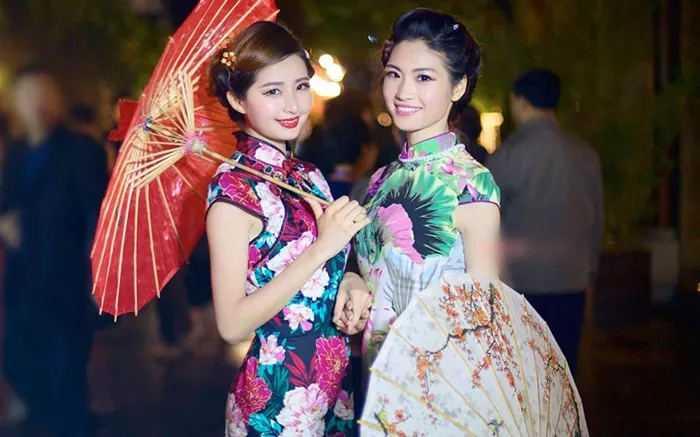

The world of traditional Chinese clothing is rich and diverse, with many styles that have evolved over thousands of years. Two of the most recognized garments are the Hanfu and the cheongsam (also called qipao). While both are traditional Chinese dresses, they differ greatly in origin, design, cultural significance, and usage. Understanding these differences can help people appreciate Chinese fashion history and wear these garments appropriately.
Historical Origins
The Origins of Hanfu
Hanfu is one of the oldest forms of traditional Chinese clothing. Its history dates back over 4,000 years to the time of the Yellow Emperor, and it was widely worn during the Han Dynasty (206 BCE–220 CE), which gave it its name. Hanfu represents the clothing style of the Han Chinese majority and is characterized by its loose, flowing robes and cross-collar design. Its structure allows freedom of movement, which was suitable for daily life, rituals, and ceremonies.
The Origins of Cheongsam
The cheongsam, also known as qipao, has a much more recent history. It originated in the 17th century during the Qing Dynasty, when the Manchu rulers of China influenced local fashion. The early qipao was a loose, straight dress worn by Manchu women. However, in the 1920s and 1930s in Shanghai, the cheongsam evolved into a more fitted and stylish garment, symbolizing modern Chinese femininity. Today, it is widely recognized for its elegance and body-hugging silhouette.
Design and Structure
Hanfu Design
Hanfu is known for its flowing robes, wide sleeves, and cross-collar design. The dress usually consists of multiple layers, including an inner garment, middle garment, and an outer robe. Hanfu can be long or short, and it often features belts or sashes to secure the garments. The overall look is loose, graceful, and emphasizes movement rather than body shape. Colors, patterns, and embroidery in Hanfu often reflect social status, seasons, or ceremonial occasions.
Cheongsam Design
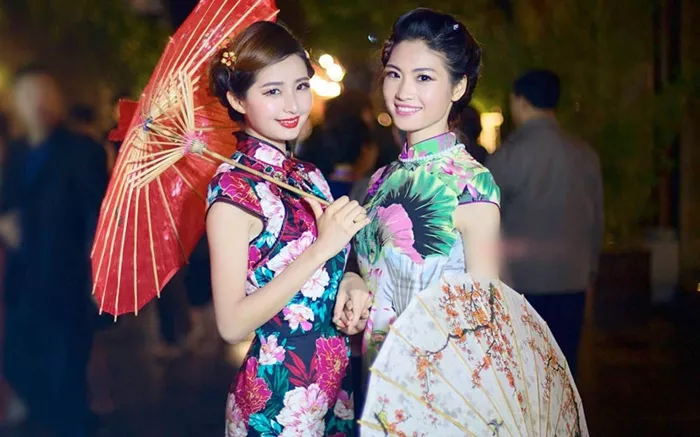
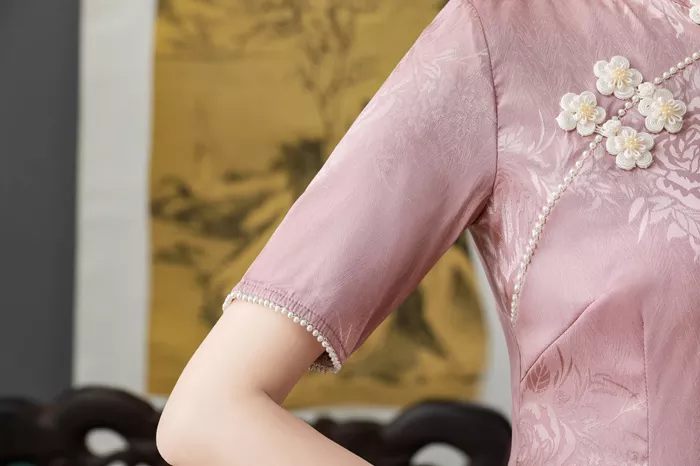
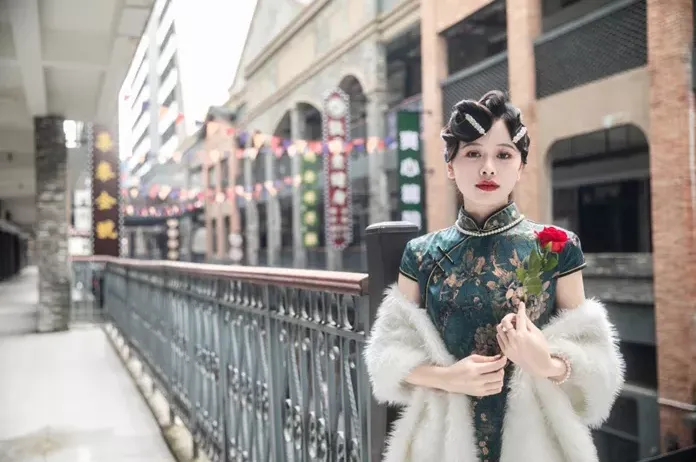
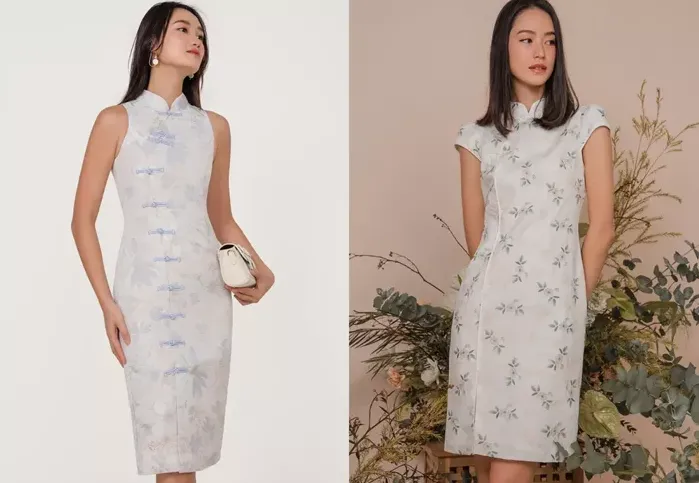
The cheongsam is distinguished by its slim fit, high collar, and side slits. Unlike Hanfu, it is designed to emphasize the wearer’s figure, often tailored to highlight curves while maintaining modesty. Cheongsams are usually single-layered and made from silk or satin, featuring intricate patterns such as flowers, dragons, or phoenixes. Buttons or decorative knots, called pankou, are often used along the shoulder or collar. The side slits provide both style and ease of movement.
Cultural Significance
Hanfu and Chinese Culture
Hanfu is more than just clothing; it represents Chinese history, philosophy, and cultural identity. The flowing design reflects Confucian values such as harmony, modesty, and balance. Hanfu was worn in daily life, ceremonies, and important rituals. Wearing Hanfu today can be a way for modern Chinese people to connect with their heritage and revive traditional culture.
Cheongsam and Modern Elegance
The cheongsam symbolizes elegance, sophistication, and modern Chinese femininity. During the early 20th century, it became popular among urban women in Shanghai as a fashion statement. Today, the cheongsam is often worn for formal occasions, weddings, or cultural events. It is a global symbol of Chinese fashion and is frequently seen in media, performances, and fashion shows.
Occasions and Usage
When to Wear Hanfu
Hanfu is commonly worn for cultural festivals, traditional ceremonies, and historical reenactments. It is also gaining popularity among younger generations in China as part of the Hanfu movement, which promotes traditional clothing in daily life. Wearing Hanfu may involve accessories such as headpieces, traditional shoes, and sashes to complete the look.
When to Wear Cheongsam
The cheongsam is suitable for formal occasions, parties, weddings, and professional events. Many brides in modern China choose cheongsams for wedding ceremonies or photoshoots. Cheongsams can also be customized with contemporary designs, fabrics, and colors, making them versatile for different fashion contexts. Unlike Hanfu, cheongsams are rarely worn casually in daily life.
Fabric and Patterns
Hanfu Fabrics and Embroidery
Traditional Hanfu is often made from silk, cotton, or linen, chosen for comfort and elegance. Patterns may include clouds, dragons, phoenixes, flowers, and other nature-inspired designs. Embroidery is an important feature, often reflecting the wearer’s social status or family heritage. Hanfu designs are usually subtle and symbolic rather than form-fitting.
Cheongsam Fabrics and Patterns
Cheongsams are typically made from silk, satin, or brocade, which gives a smooth and glossy appearance. Patterns are often bold and decorative, such as peonies, lotus flowers, or mythical creatures. The fabric choice and design emphasize luxury and refinement. Modern cheongsams sometimes incorporate lace, velvet, or other materials to create unique, fashionable variations.
Gender and Fit
Hanfu Fit and Gender
Hanfu is mostly unisex, with different styles for men and women. Men’s Hanfu tends to have broader sleeves and simpler designs, while women’s Hanfu emphasizes flowing lines and elegance. The fit is loose and allows freedom of movement, suitable for performing rituals or walking comfortably.
Cheongsam Fit and Gender
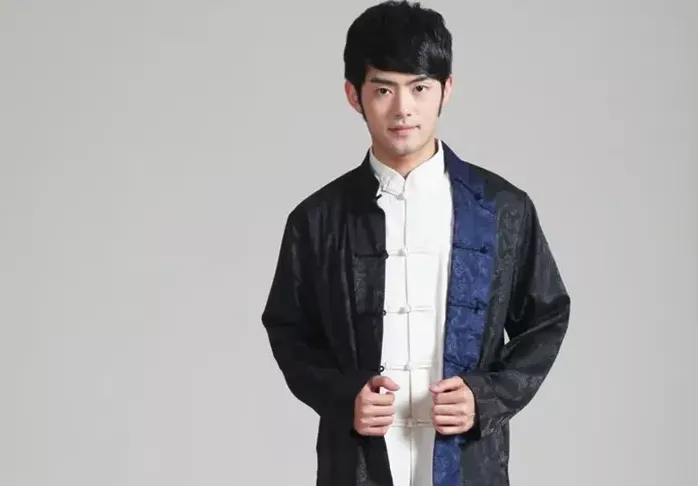
The cheongsam is primarily worn by women. It is form-fitting, tailored to highlight the wearer’s shape while remaining modest. Although men have traditional Chinese attire as well, such as the changshan, the cheongsam is unique in its female-focused design and modern fashion appeal.
Modern Revival and Popularity
Hanfu Revival
In recent years, Hanfu has seen a strong revival in China. Young people wear Hanfu for photoshoots, festivals, and cultural events. Hanfu communities on social media help promote awareness and education about traditional clothing. Wearing Hanfu today can express cultural pride and appreciation for Chinese heritage.
Cheongsam in Contemporary Fashion
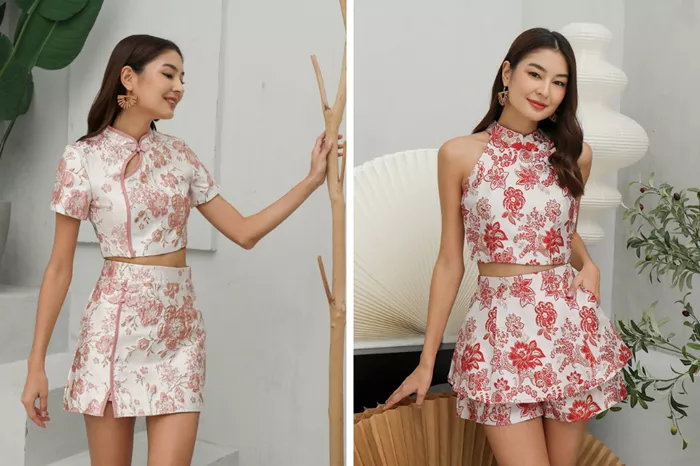
The cheongsam remains a popular choice for formal occasions and cultural celebrations. Fashion designers often reinvent the cheongsam with modern fabrics, lengths, and patterns to appeal to younger audiences. Internationally, the cheongsam is recognized as a symbol of Chinese elegance and is frequently featured in films, fashion magazines, and global cultural events.
Key Differences Between Hanfu and Cheongsam
Here is a summary of the main differences:
- Origin: Hanfu dates back over 4,000 years; cheongsam originated in the Qing Dynasty and modernized in the 20th century.
- Design: Hanfu is loose, flowing, and layered; cheongsam is tight-fitting, sleek, and often single-layered.
- Cultural Significance: Hanfu reflects traditional Chinese philosophy and ritual; cheongsam represents modern elegance and femininity.
- Occasions: Hanfu is worn for festivals and ceremonies; cheongsam is worn for weddings, parties, and formal events.
- Gender: Hanfu is unisex; cheongsam is primarily for women.
- Fabric and Patterns: Hanfu emphasizes symbolic embroidery; cheongsam emphasizes luxurious fabrics and decorative patterns.
Conclusion
Both Hanfu and cheongsam are important parts of Chinese fashion history, but they serve different purposes and reflect different cultural values. Hanfu is rooted in ancient traditions, emphasizing modesty, grace, and historical significance. Cheongsam is a symbol of modern Chinese elegance, designed to highlight beauty and sophistication. By understanding these differences, one can appreciate the richness of Chinese clothing and make informed choices when wearing or studying these garments.
Whether you are interested in historical fashion or contemporary elegance, Hanfu and cheongsam offer unique insights into Chinese culture. Their differences highlight the evolution of Chinese clothing and the diversity of style that continues to inspire fashion worldwide.






















Sign in to leave a comment.