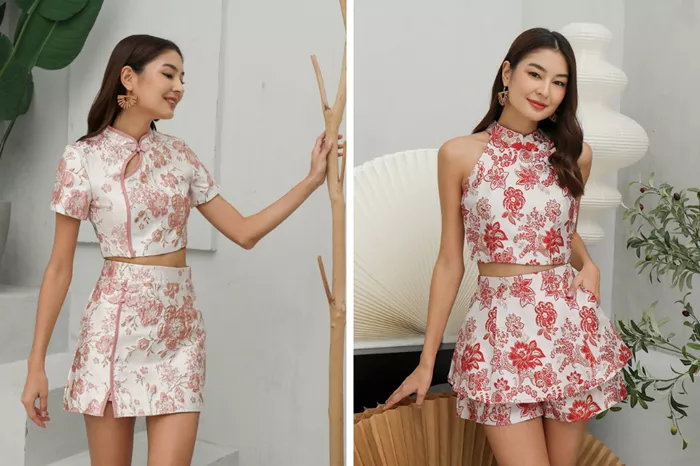

The qipao, also known as the cheongsam, is a traditional Chinese dress with a history spanning over a century. It is known for its elegant silhouette, high collar, and side slits. While it originated in China, the qipao has evolved into a global fashion icon. Today, it is not only a symbol of Chinese culture but also a versatile outfit suitable for various occasions.
Understanding where and when to wear a qipao can help you make the most of this elegant garment. From formal events to casual gatherings, the qipao can be adapted to suit your style and comfort. In this guide, we will explore all the occasions where you can confidently wear a qipao.
Formal Events
Weddings
The qipao is a popular choice for weddings, both for brides and guests. In Chinese culture, the traditional red qipao is worn by brides to symbolize luck, happiness, and prosperity. Modern brides may also choose gold, white, or pastel-colored qipaos. For wedding guests, a more subtle and elegant color palette, such as pastel pink, lavender, or navy, is appropriate.
Gala Dinners and Banquets
Gala dinners, charity events, and formal banquets are perfect occasions to wear a qipao. Its fitted design exudes elegance, making it suitable for high-profile events. Pairing your qipao with minimalistic jewelry and classic heels can create a polished and sophisticated look. Fabrics like silk, satin, or brocade are ideal for these events.
Corporate Events
For corporate events, including conferences and awards ceremonies, a qipao can demonstrate professionalism while reflecting cultural appreciation. Choose a qipao with a conservative collar height and modest slit length. Neutral or darker shades like black, navy, or deep green are suitable for corporate settings.
Cultural Celebrations
Chinese New Year
Chinese New Year is one of the most popular times to wear a qipao. Bright red qipaos with gold embroidery are traditional choices, symbolizing good fortune and joy. Women of all ages wear qipaos during family gatherings, community events, and festive parties. It is common to see matching qipaos worn by family members for a cohesive festive look.
Mid-Autumn Festival
During the Mid-Autumn Festival, qipaos in softer shades like pastel blue, pink, or yellow are popular. These dresses are perfect for evening gatherings, mooncake parties, and cultural performances. Pairing your qipao with subtle accessories emphasizes elegance and tradition.
Dragon Boat Festival
Although less formal, the Dragon Boat Festival is another cultural occasion to wear a qipao. Lighter fabrics like linen or cotton qipaos are suitable for daytime celebrations. Patterns inspired by nature or traditional Chinese motifs enhance the festive mood.
Casual Occasions
Tea Parties and Social Gatherings
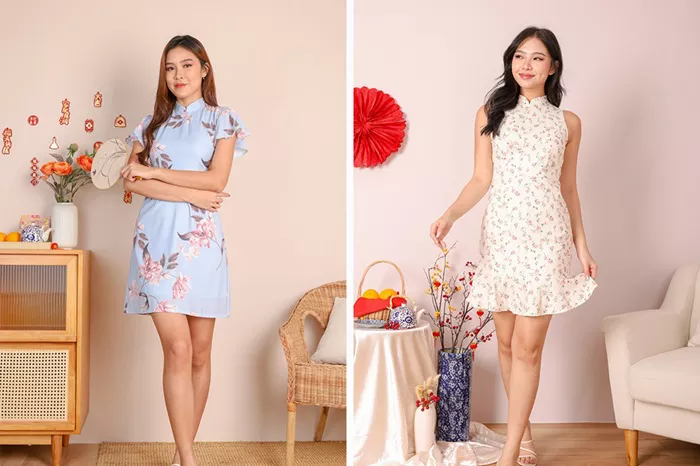
Qipaos are excellent for casual social gatherings, such as tea parties or brunches. Choosing a qipao with floral patterns or lighter fabrics creates a relaxed and chic look. Pair it with simple flats or sandals for comfort while maintaining style.
Shopping or City Strolls
For a casual day out, you can wear a modern qipao with minimal embroidery or print. Shorter qipaos or those made from stretchable fabrics allow for ease of movement while shopping or strolling in the city. Light colors and casual accessories can make the qipao feel approachable and fashionable.
Art Exhibitions and Cultural Events
When attending art exhibitions, museum events, or cultural shows, a qipao demonstrates your appreciation for culture and style. Choose a mid-length or tea-length qipao with subtle patterns. Pairing it with elegant flats or kitten heels creates a sophisticated yet relaxed ensemble.
Special Occasions
Photo Shoots
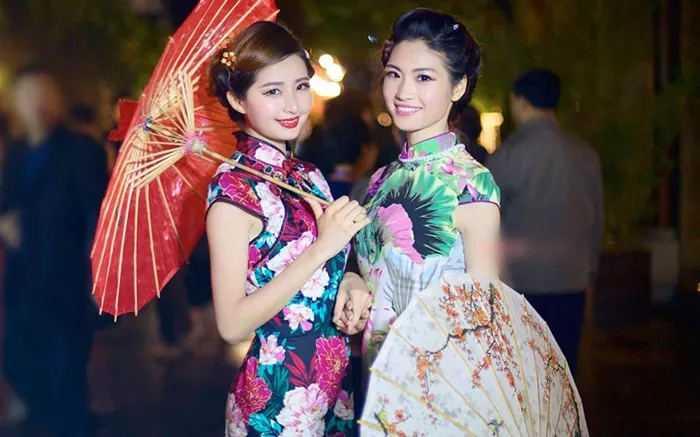
The qipao is a favorite for professional and personal photo shoots. Its timeless elegance makes it perfect for portraits, engagement shoots, and family photos. Consider bold colors or embroidered fabrics to make your photos stand out. Accessorize minimally to keep the focus on the dress’s intricate design.
Theater and Performance
Performers often wear qipaos for stage appearances or traditional performances. Its form-fitting silhouette enhances stage presence, while its cultural significance adds authenticity. Stage qipaos may feature exaggerated designs or brighter colors to attract attention from a distance.
Birthday Celebrations and Anniversaries
Qipaos can elevate birthday parties, anniversary celebrations, and milestone events. Elegant fabrics such as silk or velvet create a luxurious feel. Subtle embroidery or sequins can add sparkle without overwhelming the dress. This style is perfect for those looking to combine tradition with modern elegance.
Travel and Tourism
Visiting Cultural Sites
Wearing a qipao while visiting cultural landmarks, temples, or heritage sites adds a sense of respect and immersion. Opt for breathable fabrics and comfortable footwear. Avoid overly tight or restrictive qipaos to ensure comfort during long walks and sightseeing.
International Fashion or Cultural Festivals
When attending international fashion events or cultural festivals, a qipao showcases Chinese culture in a stylish way. Pairing the qipao with modern accessories, such as a sleek clutch or contemporary shoes, bridges traditional and modern fashion seamlessly.
Seasonal Considerations
Summer and Spring
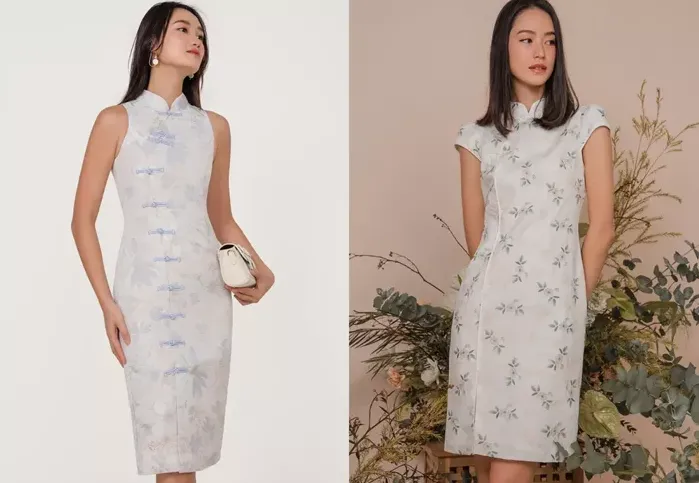
In warmer months, lightweight silk, chiffon, or cotton qipaos are ideal. Short-sleeved or sleeveless designs provide comfort while maintaining elegance. Light colors and floral patterns suit the lively mood of spring and summer events.
Autumn and Winter
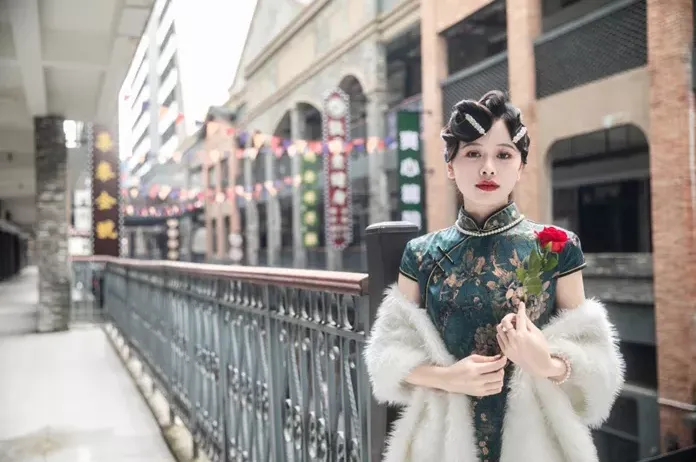
During colder seasons, consider qipaos made from thicker materials such as velvet or brocade. Long sleeves and high collars provide warmth and elegance. Layering with shawls or tailored coats ensures comfort without compromising style.
Modern Adaptations of Qipao
Short and Mini Qipaos
Modern fashion trends have introduced shorter qipaos suitable for casual events, night parties, or social gatherings. Mini qipaos retain the essence of traditional design while offering freedom of movement. They are perfect for younger audiences or those seeking a playful style.
Qipao-Inspired Dresses
Many contemporary designers have created qipao-inspired dresses that blend Western and Chinese fashion elements. These include dresses with Mandarin collars, side slits, or asymmetrical cuts. They are versatile and can be worn at both casual and formal occasions.
Mixing with Western Attire
Qipaos can be paired with Western fashion pieces for a fusion style. For example, a qipao top can be worn with tailored trousers or a modern skirt. Blazers, boots, and statement jewelry can complement the look, making it suitable for both office and evening events.
Tips for Wearing Qipao
Choosing the Right Fabric
Select fabrics that match the occasion. Silk, satin, and brocade are best for formal events, while cotton and linen are suitable for casual wear. Fabric choice affects comfort, mobility, and overall appearance.
Accessorizing
Keep accessories minimal for traditional qipaos to highlight the dress’s elegance. Pearl earrings, delicate bracelets, and simple clutches work well. Modern qipaos allow for bolder accessories such as statement necklaces and rings.
Footwear
High heels enhance the grace of a qipao, while flats or sandals provide comfort for casual settings. Match footwear with the dress’s color palette for a cohesive look.
Maintaining Comfort
Ensure the qipao fits well without restricting movement. Tailoring may be necessary for perfect fit. Consider side slits, stretchable fabrics, or shorter lengths for ease of movement during long events or casual outings.
Conclusion
The qipao is a versatile dress that can be worn for a wide range of occasions. From formal weddings and corporate events to casual social gatherings and cultural celebrations, the qipao adapts beautifully. Its timeless elegance, cultural significance, and modern adaptations make it a must-have in every wardrobe.
By understanding the event, season, and style, you can confidently wear a qipao anywhere. Whether you choose a traditional silk dress for a formal dinner or a modern short qipao for a casual outing, this iconic garment ensures you look stylish while honoring a rich cultural heritage.


















Sign in to leave a comment.