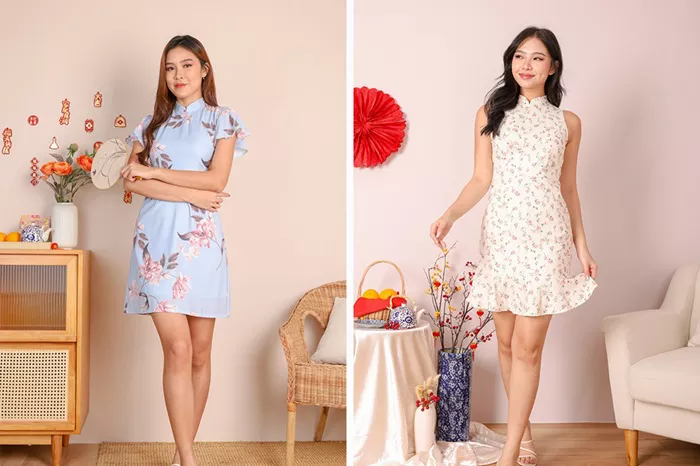

The qipao, also known as cheongsam, is a traditional Chinese dress that has evolved over centuries. Its elegant design, high collar, and fitted silhouette make it a symbol of grace and style for women. Choosing the right qipao dress depends on many factors, including body shape, occasion, fabric, and personal style.
This guide aims to help every woman find the qipao that suits her best. We will cover the types of qipao, how to choose based on body type, materials, patterns, and occasions. By the end, you will understand which qipao dress is perfect for you.
History of the Qipao
Origins
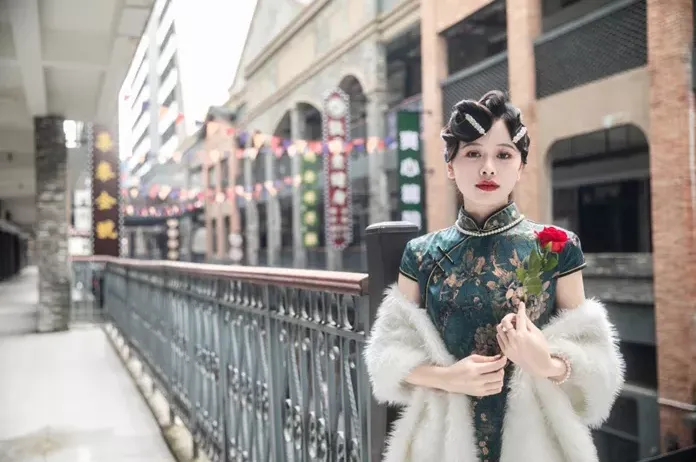
The qipao has its roots in the Qing Dynasty (1644–1912), where it was worn by Manchu women. The original design was loose and long, covering the body modestly. Over time, it evolved to become more fitted, showing off the female form.
Modern Evolution
In the 1920s and 1930s, Shanghai women popularized the modern qipao with a slimmer fit and high slits for movement. Today, designers continue to innovate, creating qipao in various lengths, fabrics, and styles suitable for everyday wear, weddings, and formal events.
Types of Qipao
Traditional Qipao
Traditional qipao usually features silk fabric, floral patterns, and a straight cut. It is less form-fitting and often used in cultural performances or formal events. Traditional qipao is ideal for women who prefer modesty and elegance.
Modern Qipao
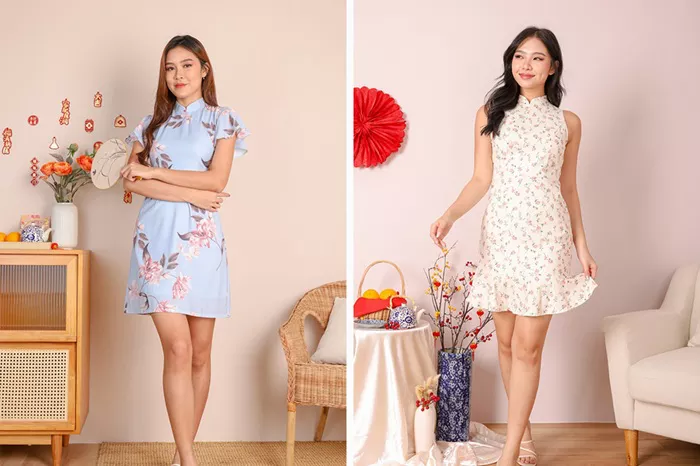
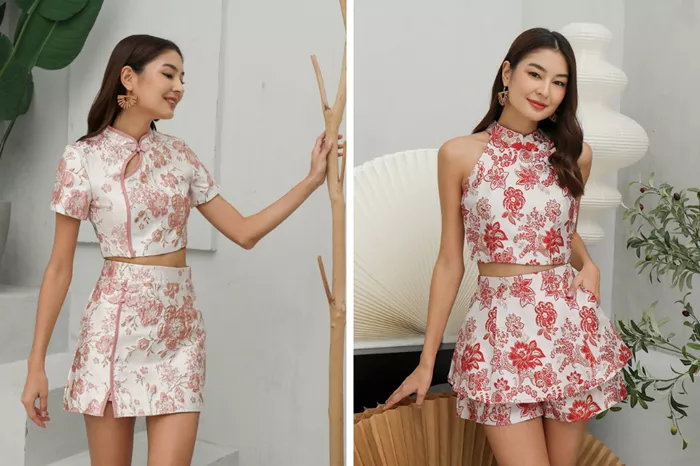
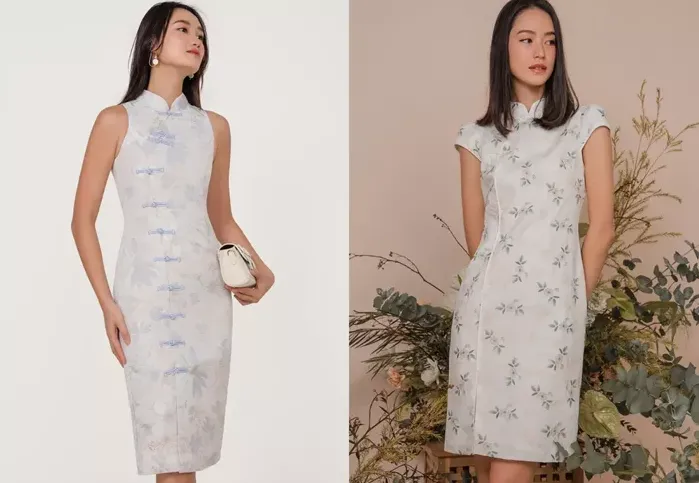
Modern qipao incorporates contemporary styles such as shorter hemlines, bold patterns, and different materials. It is more body-conscious and can be worn for parties, fashion events, or casual outings. Modern qipao often includes zippers, modern embroidery, or lace details.
Evening Qipao
Evening qipao is designed for formal occasions. These dresses are usually long, fitted, and made from luxurious fabrics like satin or velvet. They may feature high slits, sequins, or intricate embroidery to enhance elegance.
Wedding Qipao
Wedding qipao is often red or gold, symbolizing luck and prosperity in Chinese culture. Brides may wear one for the tea ceremony or reception. Modern wedding qipao can also be white or pastel, combining tradition with contemporary fashion trends.
Choosing Qipao by Body Shape
Pear-Shaped Body
Pear-shaped women have wider hips and a smaller upper body. A-line qipao or dresses with flared bottoms are ideal. Focus on designs with embellishments or patterns on the top half to draw attention upward.
Apple-Shaped Body
Women with apple-shaped bodies carry more weight around the midsection. Empire waist qipao or dresses with vertical patterns help elongate the torso and create a slimming effect. Avoid overly tight fabrics around the waist.
Hourglass-Shaped Body
Hourglass figures have balanced shoulders and hips with a defined waist. Form-fitting qipao works perfectly, emphasizing curves naturally. Choose fabrics with a bit of stretch for comfort.
Rectangle-Shaped Body
Rectangle-shaped women have a straight figure with minimal waist definition. Look for qipao with belts or waist embellishments. Peplum or flared designs create the illusion of curves.
Choosing Qipao by Fabric
Silk
Silk is the most traditional qipao fabric. It drapes beautifully and adds a touch of luxury. Ideal for formal events and weddings, silk qipao often feature embroidery or hand-painted designs.
Satin
Satin has a shiny surface and feels smooth on the skin. It is perfect for evening qipao or parties. Satin is less expensive than silk but provides a similar luxurious look.
Cotton
Cotton qipao is comfortable for casual wear. It is breathable and easy to maintain. Cotton dresses often come in simpler patterns, suitable for everyday or work wear.
Lace
Lace qipao adds a delicate, feminine touch. Lace is often layered over silk or satin to create a soft, elegant appearance. Perfect for formal dinners or romantic occasions.
Choosing Qipao by Patterns and Colors
Floral Patterns
Floral designs are classic and versatile. They suit almost any occasion and body type. Large floral prints work well for taller women, while small prints are ideal for petite figures.
Geometric Patterns
Geometric designs give a modern twist to traditional qipao. Vertical lines help elongate the body, while symmetrical patterns can enhance balance. Suitable for fashion-forward events.
Solid Colors
Solid color qipao are timeless and elegant. Red is traditional and festive, black is sophisticated, and pastels are soft and feminine. Choose colors that match your skin tone and event type.
Choosing Qipao for Occasions
Casual Wear
Casual qipao are simple, made from cotton or linen, with minimal embroidery. They are comfortable for daily wear, shopping, or casual meetups.
Formal Events
For formal events, choose silk or satin qipao with intricate embroidery or beadwork. Long qipao with high slits create a graceful appearance suitable for ceremonies or banquets.
Weddings
Brides traditionally wear red or gold qipao for the wedding ceremony. Guests can choose pastel or subtle floral qipao to respect cultural norms while staying stylish.
Parties
Party qipao can be modern, short, and form-fitting. Look for bold colors, sequins, or lace to stand out. Short qipao allow freedom of movement while maintaining elegance.
Accessorizing Your Qipao
Footwear
High heels or traditional embroidered shoes complement a qipao. Heels help accentuate the body’s silhouette, while flats are comfortable for casual events.
Jewelry
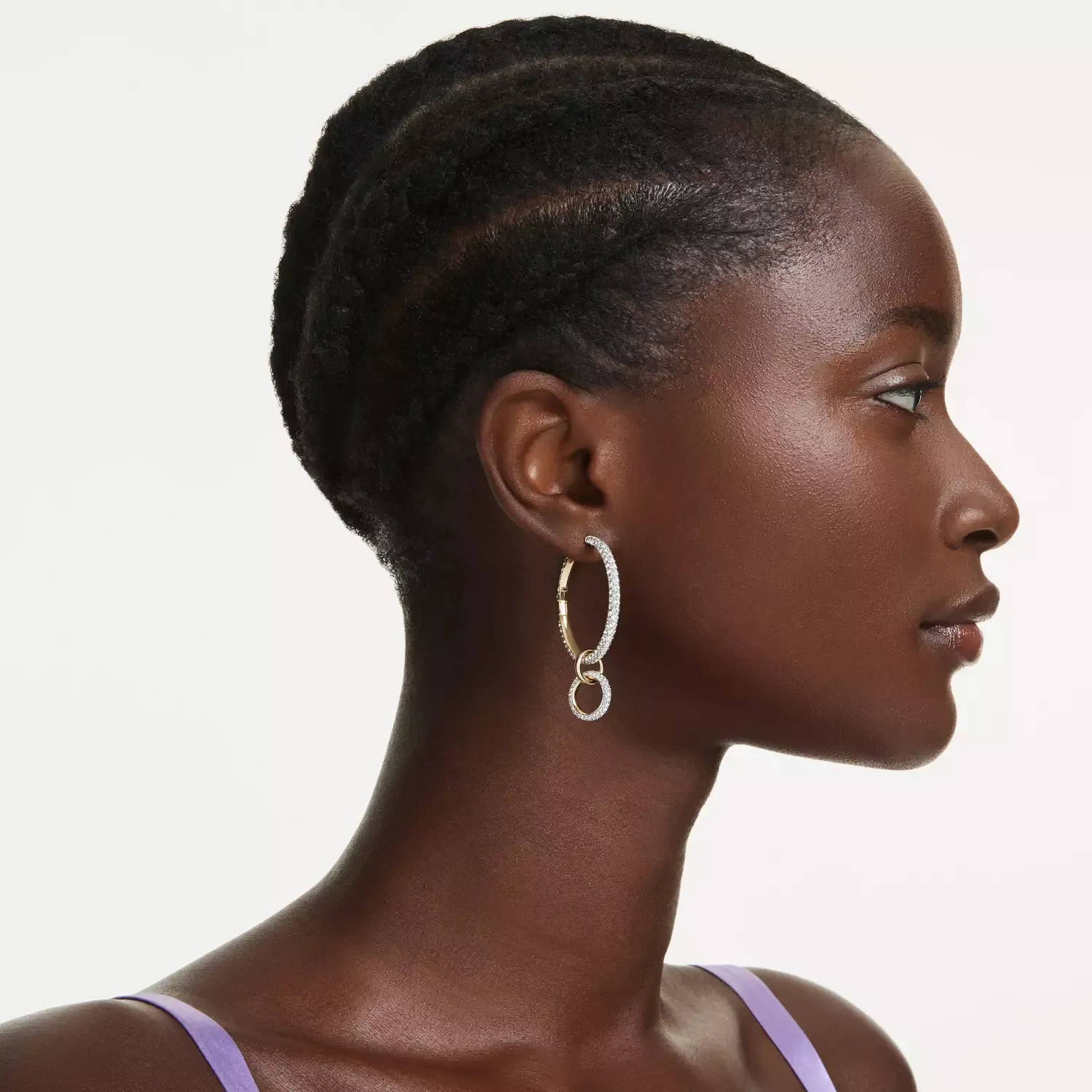
Keep jewelry minimal. Pearl earrings, a simple bracelet, or a delicate necklace are ideal. Over-accessorizing can distract from the beauty of the qipao.
Bags
Small clutches or handbags match the elegance of the qipao. Avoid large or bulky bags that disrupt the silhouette.
Qipao Care and Maintenance
Washing
Hand wash silk and satin qipao with cold water and mild detergent. Avoid wringing the fabric to prevent damage. Cotton qipao can usually be machine washed gently.
Storage
Hang qipao on padded hangers to maintain shape. Keep in garment bags to avoid dust and moth damage. Avoid folding silk qipao for long periods, as this may cause creases.
Ironing
Iron silk and satin qipao on low heat, preferably with a cloth between the iron and fabric. Cotton qipao can be ironed on medium heat. Avoid direct heat on embroidery or delicate patterns.
Where to Buy Qipao
You can buy qipao online or in physical stores. For authentic, traditional qipao, specialized boutiques or trusted online stores are recommended. Check reviews, fabric quality, and return policies before purchasing.
Some recommended online platforms include Etsy for handmade qipao, and Taobao for a wide range of options. For luxury designer qipao, explore brands that focus on modern Chinese fashion.
Conclusion
Choosing the right qipao is an art. Consider your body shape, occasion, fabric, and personal style. Traditional or modern, long or short, casual or formal, there is a perfect qipao for every woman.
This guide has provided detailed insights into qipao selection, care, and styling. By understanding these aspects, you can confidently choose a qipao that enhances your elegance, reflects your personality, and honors Chinese fashion heritage.





















Sign in to leave a comment.