

If you are a developer, tech enthusiast, or someone who spends more time in VS Code than in your living room, you probably know how fast the world of coding is changing. Artificial intelligence is not just a tool anymore. It is becoming a full-time teammate. And the latest release from Anthropic, Claude Sonnet 4.5, proves that the next generation of AI-driven coding has arrived.
So what exactly is Claude Sonnet 4.5, and why is everyone talking about it? Let’s take a look at what makes this model such a big deal and how it could change the way we build software in the years ahead.
The new player in the coding arena
Anthropic has always positioned its Claude models as reliable, thoughtful, and safety-focused. With Claude Sonnet 4.5, they are stepping into a new league of intelligence and autonomy. This model has been designed with a clear goal: to help developers complete complex, multi-step tasks more efficiently while maintaining high standards of reasoning and safety.
According to early reports, Sonnet 4.5 has shown major improvements in SWE-Bench Verified, one of the most respected benchmarks for evaluating how well AI can handle real-world software engineering tasks. The model also shines on OSWorld, a benchmark that tests whether an AI can use tools like a human. It can navigate browsers, manage files, and complete long sequences of steps without constant supervision.
In plain language, this means Claude Sonnet 4.5 does not just write short snippets of code. It can stay focused on complex projects, move across different tools, and follow a logical chain of actions until the task is complete.
Smarter, steadier, and more autonomous
One of the most striking features of Claude Sonnet 4.5 is its ability to stay focused for long periods. Earlier models often lost track of context when a task stretched over hours or when too many branches appeared in the code flow. Sonnet 4.5 changes that. It can handle long projects that require sustained attention, making it suitable for things like refactoring large codebases or managing full-scale app development cycles.
Anthropic has also worked on improving how the model interacts with development environments. There are new VS Code extensions, an updated Agent SDK, and better integration with tools like GitHub Copilot. Developers can now connect Claude directly to their workflow and let it take care of repetitive or time-consuming steps such as testing, documentation, or even bug tracking.
It is also worth noting that Anthropic has placed strong emphasis on safety and reasoning. Sonnet 4.5 is more resistant to prompt injections, better at understanding vague instructions, and more cautious about making assumptions when details are missing. This kind of refinement matters a lot in environments where precision is everything.
The human side of the story
Every new AI model brings excitement and anxiety in equal measure. Some developers worry that AI will make their roles redundant. Others see it as the greatest opportunity since the invention of the internet. The truth lies somewhere in between.
Claude Sonnet 4.5 does not replace the developer. It changes what the developer’s job looks like. Instead of typing out every line, you might spend more time designing architecture, setting specifications, and reviewing outputs generated by AI. The focus shifts from raw coding to creative direction and quality assurance.
If that sounds intimidating, it might help to remember that technology has always evolved this way. From assembly language to high-level languages, and now from manual coding to AI-assisted development, every leap has reduced grunt work and opened doors for more creative problem solving.
Why this model stands out
The most impressive aspect of Claude Sonnet 4.5 is not just raw power. It is the balance between capability and control. Anthropic calls this “constitutional AI”, which means the model is guided by a set of principles that promote safe and transparent behavior. It is designed to question harmful instructions and avoid risky shortcuts.
That kind of self-awareness might sound like science fiction, but it has very practical benefits. Developers working in healthcare, finance, or cybersecurity can rely on the AI to flag questionable code or highlight areas that might compromise privacy or compliance.
There is another layer to this story. Sonnet 4.5 can maintain long-term memory across extended sessions, allowing it to recall previous context and decisions. In simpler terms, it remembers what it was working on. That makes collaboration smoother and reduces the frustration of reminding your AI partner what you were doing last time.
A new era for teamwork
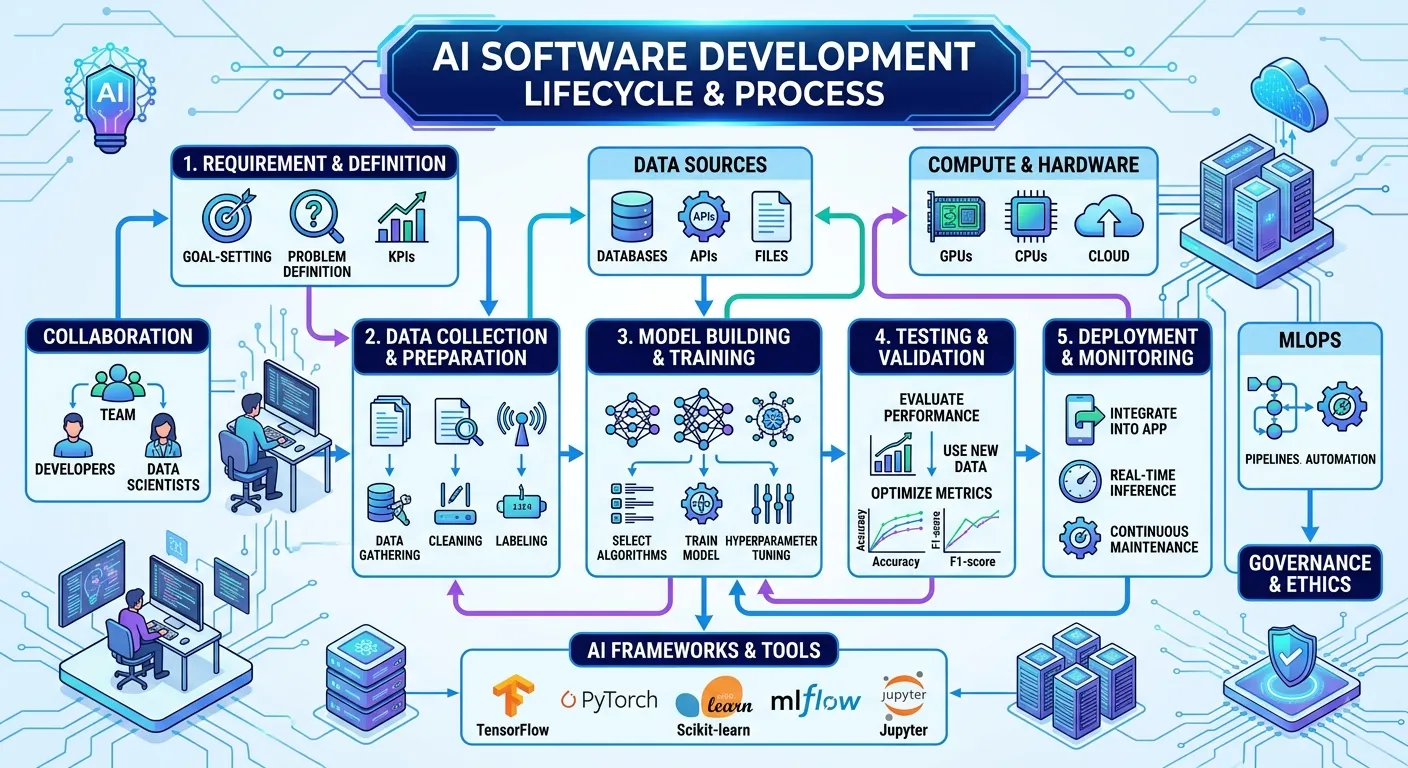
The launch of Sonnet 4.5 marks a turning point in how software teams might operate. The traditional workflow where one developer writes code, another tests it, and a third deploys it is already evolving. AI like Claude can handle parts of each phase, acting as a bridge between design, coding, and testing.
Imagine this. You describe the new feature you want in your app. Claude drafts the initial implementation, writes the documentation, and generates unit tests. You step in to review the code, adjust the logic, and fine-tune the performance. Instead of spending hours on boilerplate work, you focus on strategy and creativity.
This is what some experts call “co-development”, where human intuition and AI speed combine to build software faster and smarter. It is not a fantasy anymore. It is happening in real teams right now.
The cautionary side
Of course, no innovation comes without trade-offs. The more power these models gain, the more careful we need to be about security, privacy, and over-reliance. AI can still misunderstand ambiguous instructions or create bugs that are hard to detect at first glance.
Another concern is transparency. If AI writes a big chunk of your code, how do you trace its origin, ensure license compliance, or identify potential vulnerabilities? These are questions that companies will need to address with strong governance and review systems.
Anthropic has tried to tackle this by adding clearer checkpoints and auditability in Claude Sonnet 4.5. Developers can now roll back to previous states, review the reasoning behind certain outputs, and inspect the sources used for decision making. It is a good start, but as AI takes on more critical roles, accountability will become just as important as performance.
What it means for the software landscape
The release of Claude Sonnet 4.5 sends a clear message to the industry. The future of software development is AI-assisted, not AI-replaced. Teams that learn to integrate AI effectively will have a clear competitive advantage. They will build faster, iterate more efficiently, and make fewer mistakes.
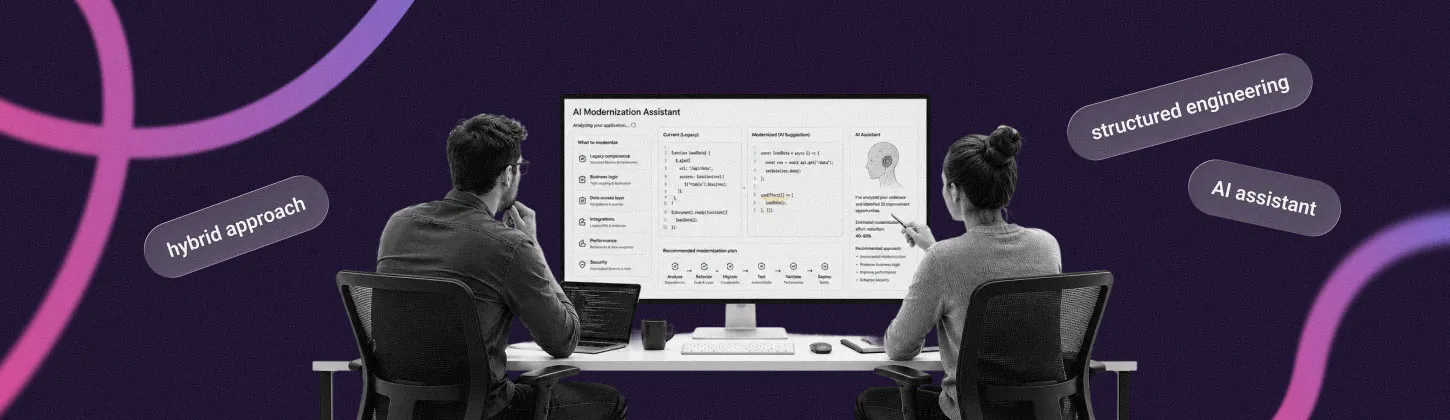
We are also likely to see a rise in hybrid models of development. Some parts of projects will be handled through AI automation while others will still rely on human craftsmanship. The smartest organizations will find ways to blend both seamlessly.
More importantly, the focus will shift from individual productivity to overall developer experience. Tools like Claude 4.5 are not just about writing more code. They are about making the development process more enjoyable, freeing engineers from repetitive chores, and giving them space to innovate.
The road ahead
Claude Sonnet 4.5 is not just another model release. It represents the next phase of how humans and machines collaborate. It is a reminder that software development is becoming more about creativity, curiosity, and adaptability than about memorizing syntax.
Whether you are a seasoned engineer or a curious beginner, this is a moment to pay attention. The tools we use are changing fast, but the essence of building something useful and beautiful through code remains the same.


























Sign in to leave a comment.