
The Slow Art Advantage
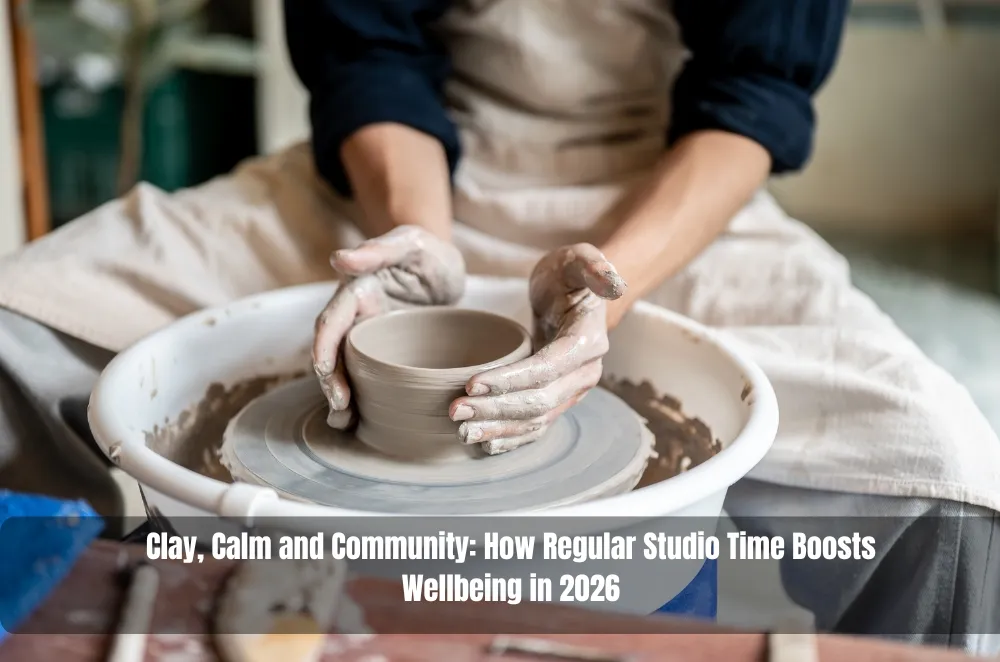
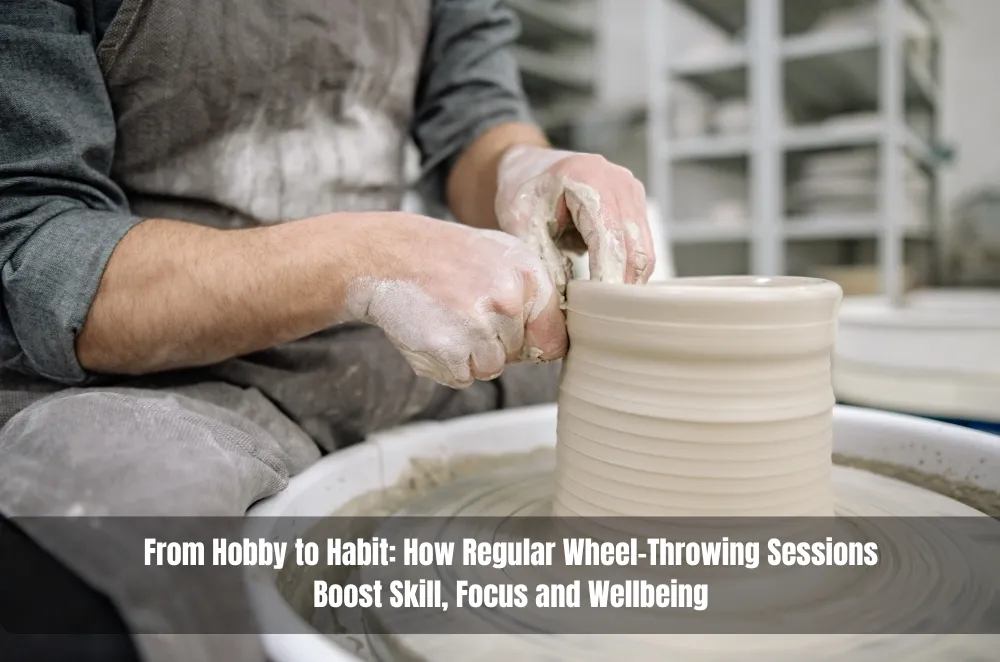
A long stretch of clay work silences phone alerts in a way most mindfulness apps struggle to match. Many Melburnians first feel the difference during their initial spin at a wheel: the hum of the motor, the steady drip of water, the gentle resistance under the palms. Booking into ceramics workshops in Melbourne is not just about finishing with a mug; the process itself forces the body to settle into a slower rhythm that lingers well after class.
Neurologists talk about “flow state” when a task demands focus but remains within reach. Clay almost guarantees it. The material responds instantly to pressure, providing immediate feedback that draws attention away from the restless mental to-do list many of us carry. A couple of hours spent centring and pulling clay often leaves participants surprised at how refreshed they feel—without a single meditation bell in sight.
Tactile Learning Outperforms Screen Time
Each year hammers home how mediated our hobbies have become. Streaming, gaming, scrolling—none involve the weight, temperature or scent that comes with a handful of stoneware. Switching from pixels to porcelain gives sensory nerves a workout. Recent studies suggest that tasks engaging multiple senses improve information retention, which explains why beginners remember coil-building steps long after reading recipes slips their mind.
Students frequently remark that the studio environment feels like a pocket of analogue sanity. The table below highlights how three core techniques stimulate different skills, showing why variety inside a course keeps both brain and hands interested.
| Technique | Primary Skill Triggered | Why It Matters for Wellbeing |
|---|---|---|
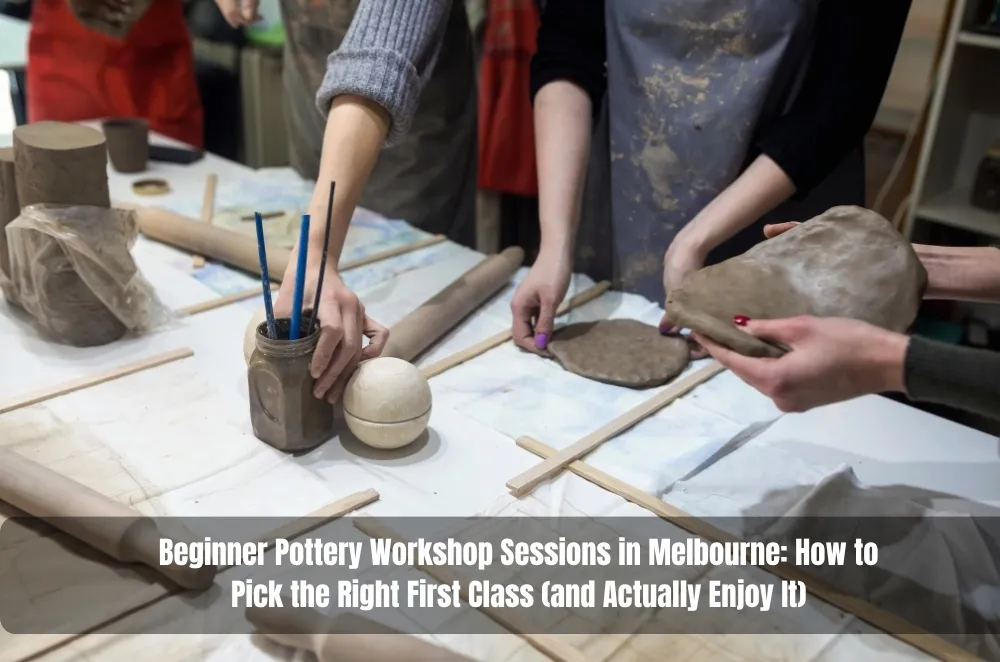
| Hand-building | Spatial reasoning | Planning wall thickness and support structures exercises the same circuits used in everyday problem-solving. |
| Wheel-throwing | Fine motor control | Micro-adjustments steady heart rate and encourage breath synchronisation. |
| Glaze testing | Visual analysis | Judging colour reactions after firing sharpens observation and patience. |
Regular rotation through these methods prevents the “auto-pilot” effect that can dull other leisure activities. When each session introduces a fresh tactile puzzle, the nervous system keeps firing without tipping into stress.
Community Over Competition
Pottery studios attract a crowd remarkably free of professional rivalry. There is no leaderboard, no timed laps, no “best in show” unless someone enters an exhibition months down the track. Mid-level hobbyists share hacks for reclaiming clay or salvaging a collapsed form with newcomers because the learning curve is universal. That open culture underpins a sense of belonging—something many city dwellers miss once remote work cuts the casual office chat.
For those curious about next steps beyond weekly classes, the overview of hands-on studio sessions outlines short intensives where participants collaborate on larger pieces. Working side by side on a shared kiln load nudges even the shyest potters into conversation. By the end of a six-week block, most groups organise firing day snacks and exchange phone photos of first-pour lattes drunk from still-warm mugs. Friendships forged over clay often outlast the objects themselves.
A Quiet Nudge Toward Sustainability
Turning raw earth into functional ware changes how people treat everyday items. Spending four hours coaxing a bowl into shape replaces the throw-away reflex with an urge to mend and reuse. Several Melbourne cafés now host “bring your cup” programmes sparked by owners who once enrolled in local night classes and walked away with a fresh respect for materials.
Sustainability gains traction when it feels personal. Watching the studio reclaim trimmings, recycle glaze wash-offs, and fire energy-efficient kilns in off-peak hours demonstrates practical steps participants can mirror at home. The City of Melbourne’s circular economy framework even lists community studios as micro-hubs that divert waste through creative reuse—proof that small hobbies contribute to broader environmental goals.
Mindful Movement That Suits All Ages
Yoga demands flexibility, team sports favour speed, and high-intensity training courts injury. Pottery, by contrast, adapts to most bodies. Stools adjust, tables raise, wheels can be operated standing or seated. Grandparents and teenagers often share the same bench, each working at their own pace. The intergenerational mix counters age silos that leave older adults especially vulnerable to isolation.
Beyond accessibility, clay offers a measurable physiological benefit: repetitive, low-load movements ease joint stiffness without the strain associated with heavier crafts like woodworking. According to the Australian Department of Health, creative engagement improves mobility markers in participants over 55, complementing conventional exercise while feeling less like rehab and more like play.
Ready to take the next step? Visit our Learn more to find out more.
Final Word
Melbourne’s pottery revival isn’t a fleeting trend; it reflects a collective search for slower, more tangible experiences in a hyper-digital year. Whether you sign up for a one-off taster or commit to a full term, the wheel quietly rewires attention, community ties and respect for resources. Step into the studio prepared to get messy—clarity often emerges in the clay.






















Sign in to leave a comment.