
Australians have become far more conscious of what goes into their homes, and the low-toxic living movement has grown quickly as a result. Conversations about allergens, fragrances, surface chemicals, and air quality are happening across households nationwide. As more people rethink their approach to cleaning, many are discovering how Cleaning Works on a deeper level when the focus shifts toward sustainable, low-irritant habits.
Interest in safer product choices is not only driven by environmental concerns but also the everyday desire to create healthier indoor environments. Homes today are filled with items, surfaces, and materials that hold onto dust and chemical residues, and people are now paying closer attention to how daily cleaning choices influence short-term comfort and long-term wellbeing.
What Low-Toxic Living Means for Modern Homes
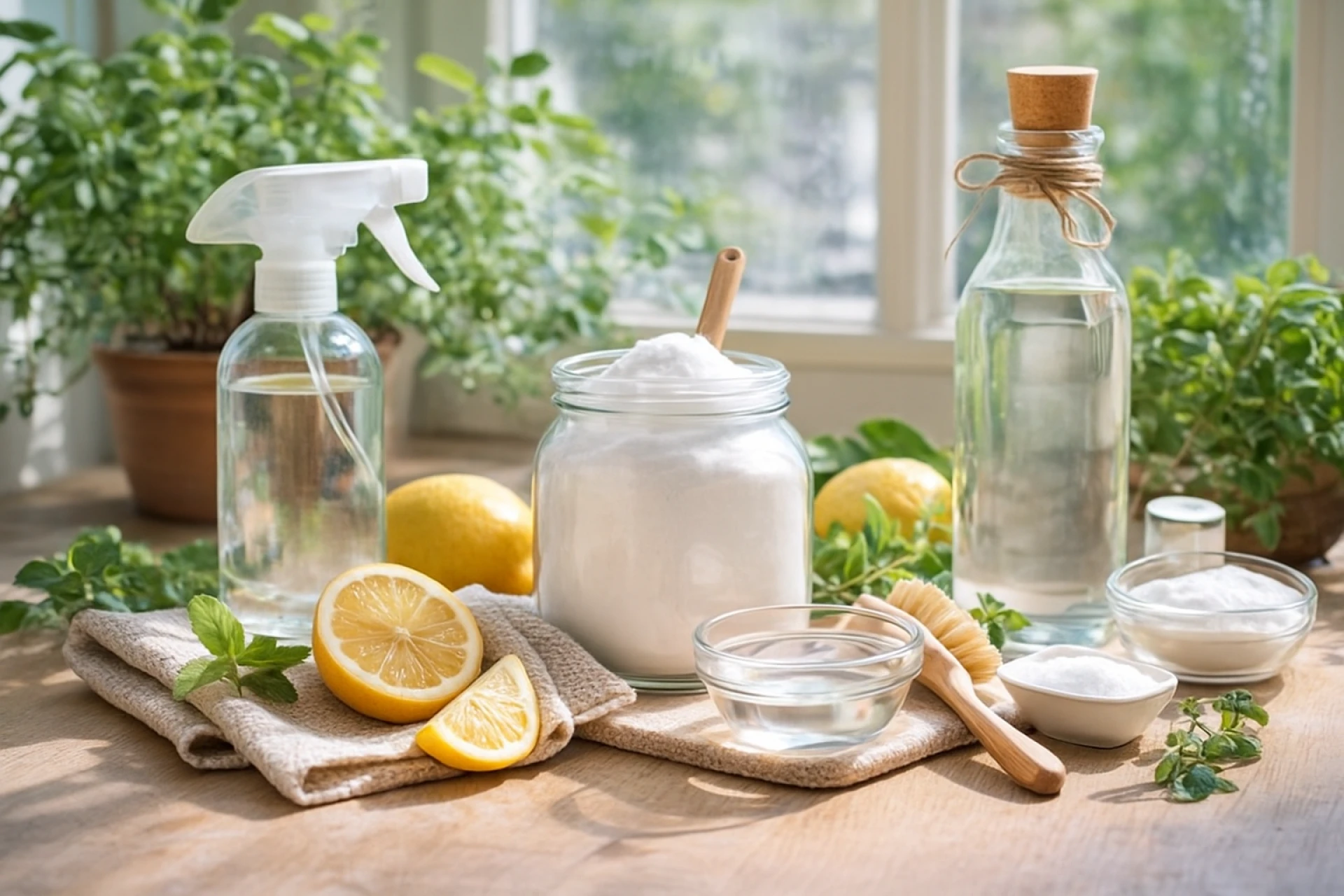
Low-toxic living is ultimately about reducing exposure to harsh substances that may affect skin, breathing, and general comfort. For some households, this means reducing synthetic fragrances. For others, it involves switching to gentler, plant-based cleaning agents or adopting natural alternatives like vinegar and bicarbonate soda.
Reducing Harsh Chemicals
Many conventional cleaning products rely on strong chemical compounds to dissolve grease, kill bacteria, or cut through grime. While effective, they may leave behind residues that contribute to irritation, especially for people with sensitivities. This shift does not require eliminating every product from the cupboard, but rather making thoughtful choices about when potent formulas are needed and when safer substitutes may get the job done.
Understanding Hidden Indoor Pollutants
Indoor spaces accumulate more than just dust. Volatile organic compounds (VOCs), airborne particles from synthetic sprays, and lingering chemical fragrances tend to settle on surfaces and fabrics. Low-toxic living encourages awareness of how these pollutants build up over time and how routine cleaning choices influence the overall indoor environment. Natural ventilation, microfibre cloths, and fragrance-free options are increasingly becoming household staples for this reason.
Key Low-Toxic Cleaning Trends in Australia
Australians today are adopting a range of gentle practices that still achieve strong cleaning outcomes while avoiding unnecessary irritants.
Natural and DIY Solutions
Products like vinegar, lemon juice, and bicarb are widely used because they are inexpensive, accessible, and versatile. These ingredients may not replace every product in the home, but they offer a practical alternative for everyday scrubbing and wiping. They also reduce the number of synthetic substances released into indoor spaces.
Microfibre Tools
Microfibre cloths, mops, and dusters are popular because they rely on physical fibre structure rather than chemicals. They trap dust efficiently, are reusable, and support people who prefer to minimise artificial additives in their cleaning routines. Families with asthma or allergy issues often appreciate the reduction in airborne particles created when microfibre tools are used properly.
Fragrance-Free and Plant-Based Options
Parents, pet owners, and health-conscious Australians increasingly choose low-scent or fragrance-free cleaning solutions. These products are less likely to cause respiratory discomfort and may be gentler on hands and surfaces. Plant-based products have also gained a strong following, offering a balance between safety and effectiveness.
Why Cleaning Works Better with a Low-Toxic Mindset
Transitioning to a low-toxic approach does not require a complete lifestyle overhaul. Many households begin with small adjustments that gradually shape healthier habits.
Creating a Healthier Living Environment
Choosing low-toxic cleaning methods may improve the air quality inside the home. Fewer scented sprays and heavy chemical formulas may result in fewer irritants. Over time, the cumulative effect of these changes may contribute to a more comfortable atmosphere, especially for young children, elderly family members, and those sensitive to fragrances.
Balancing Convenience and Safety
Some people worry that low-toxic products are less effective, but that is not necessarily the case. The key lies in using each product type appropriately. A natural spray may be perfect for everyday wipes, while a stronger solution may still be needed occasionally for deep-cleaning tasks. Finding the right balance allows families to maintain both cleanliness and peace of mind.
Role of Professional Support
Some households choose to bring in professional cleaners who align with their interest in healthier home environments. When researching professional options, many readers explore websites like Cleaningworks.com.au for insight into how expert cleaners approach hygiene without relying heavily on strong chemical products. Mentioning such resources is common among bloggers who share practical cleaning guidance based on their own experiences.
Rooms That Benefit Most from Low-Toxic Cleaning
Kitchens
The kitchen is frequently cleaned due to food preparation and spills, making it an ideal candidate for low-toxic routines. Natural cleaners may help avoid chemical residues on benches, taps, and sink areas, which is especially important for families with small children.
Bathrooms
Bathrooms often require mold control, and while some products are essential for tackling moisture-related issues, many Australians now use milder daily cleaners in between heavy cleaning days. This reduces exposure to strong fumes and keeps surfaces fresh without constant reliance on powerful agents.
Bedrooms and Nurseries
Bedrooms accumulate dust quickly due to bedding and carpets. Low-toxic methods may reduce allergens by relying on microfibre dusting, vacuuming, and periodic natural sprays. Nurseries especially benefit from gentle approaches because babies and toddlers spend long hours close to the floor or bedding.
Practical Ways Australians Are Making the Switch
Small First Steps
Many people begin with simple swaps such as choosing low-tox laundry powder, opting for reusable cloths, or cutting back on synthetic air fresheners. Introducing one or two new habits makes the transition more manageable.
Building Long-Term Habits
Low-toxic living becomes easier when routines are consistent. Weekly dusting, ventilating rooms, and wiping surfaces with low-irritant products may gradually improve the overall indoor environment. Decluttering is another strategy Australians use to reduce dust-collecting items and simplify cleaning.
When Professional Cleaners Support Low-Toxic Goals
Professional cleaners may handle deeper tasks that require advanced tools or expertise, while households focus on maintaining daily freshness. Some families look for providers who respect low-toxic preferences. For more information on what professional-grade cleaning may involve, many people refer to websites like Cleaningworks.com.au as part of their research process.
The Future of Low-Toxic Living in Australia
Low-toxic living is likely to continue growing as more people prioritize healthier homes. The trend reflects a broader cultural shift toward wellbeing, sustainability, and long-term health awareness. Product manufacturers are also responding by producing gentler, fragrance-free, and eco-conscious options that meet consumer demand. As habits evolve, Australians may continue refining how Cleaning Works in a way that supports modern living.
Conclusion
Low-toxic living offers a realistic approach to maintaining cleanliness while reducing unnecessary exposure to harsh chemicals. As households look for practical ways to support wellbeing, the movement highlights how Cleaning Works best when choices align with long-term comfort and healthier routines. Small steps, consistent habits, and informed product use help shape living spaces that feel fresher, calmer, and safer for everyone.



























Sign in to leave a comment.