

Introduction
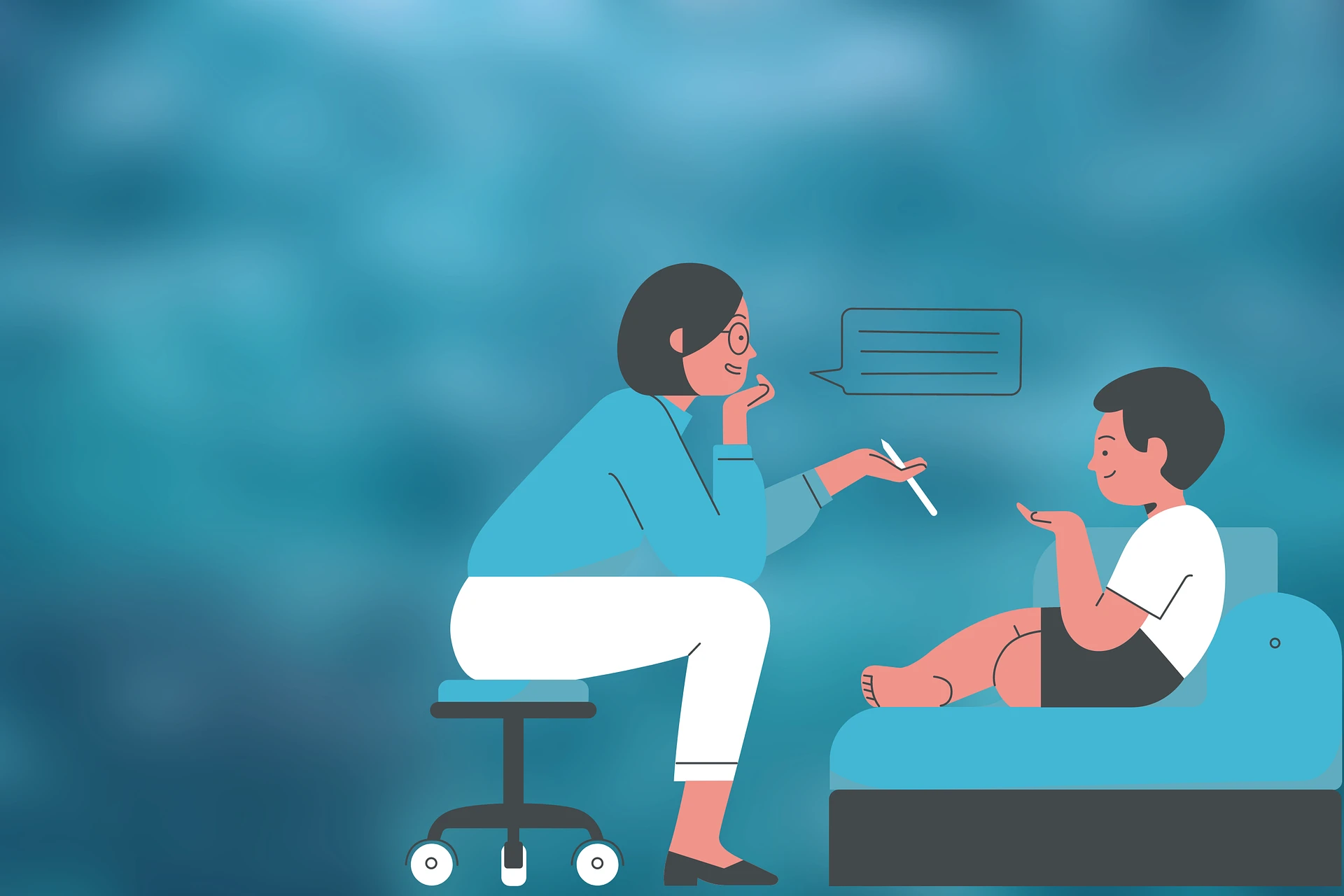
The rise of digital mental health care has made it significantly easier for individuals to access support without leaving their comfort zones, and this shift has been especially meaningful for those seeking online therapy for agoraphobia. Agoraphobia, often characterized by intense fear of places or situations where escape may feel difficult, can severely limit daily functioning. When paired with structured therapeutic approaches delivered virtually, individuals can begin to regain a sense of control while working at a pace that feels safe and manageable.
In parallel, the broader expansion of telehealth has also made specialized care more accessible across conditions. Terms such as online adhd therapy california, teletherapy for anxiety disorders, and virtual cognitive behavioral therapy (CBT) have become increasingly relevant as more people explore remote mental health solutions that fit their lifestyle and comfort levels.
Understanding Agoraphobia in the Digital Therapy Era
Agoraphobia is not simply a fear of open spaces; it often involves avoidance patterns tied to public transportation, crowded environments, or even leaving home alone. These avoidance behaviors can reinforce anxiety over time, making recovery more challenging without structured intervention. Traditional in-person therapy has long been effective, but accessibility barriers such as transportation difficulties or severe anxiety symptoms can prevent consistent attendance.
Online therapy bridges this gap by offering consistent, real-time support through video sessions, messaging platforms, and guided therapeutic tools. Cognitive Behavioral Therapy (CBT), in particular, is widely used in treating agoraphobia by helping individuals identify distorted thought patterns and gradually reframe them. When delivered online, CBT can be adapted into incremental exposure exercises that patients can safely complete in their own environment, which reduces the initial psychological resistance to treatment.
Digital platforms also enable therapists to maintain continuity of care, which is essential for conditions like agoraphobia where progress is often gradual and sensitive to disruptions. This continuity helps reinforce coping strategies and builds long-term resilience.
The Role of Meditation in Anxiety Regulation
Meditation has gained strong clinical interest as a complementary tool in anxiety management, particularly for disorders involving avoidance and panic responses. Practices such as mindfulness meditation, breath awareness, and body scanning help individuals develop a non-reactive awareness of their internal experiences.
For individuals with agoraphobia, meditation serves as a grounding mechanism that can reduce anticipatory anxiety—the fear of fear itself. By training attention to remain in the present moment, meditation interrupts the cycle of catastrophic thinking that often fuels avoidance behaviors. Research in neuroscience has shown that regular mindfulness practice can reduce activity in the amygdala, the brain region associated with fear processing, while strengthening prefrontal cortex regulation linked to decision-making and emotional control.
Importantly, meditation does not replace therapy but enhances it. When integrated into a therapeutic plan, it provides individuals with a practical tool they can use between sessions to stabilize emotional responses. Even short daily practices of 10–15 minutes have been associated with improved stress regulation and reduced physiological arousal.
Combining Meditation with Online Therapy for Structured Recovery
When meditation is combined with online therapy, it creates a dual-layered approach: one that addresses cognitive restructuring and another that strengthens emotional regulation. Therapists often encourage patients to practice mindfulness exercises before or after exposure-based tasks, helping to reduce the intensity of anticipatory fear.
A structured integration might look like this: a therapist assigns gradual exposure exercises through an online platform, such as stepping outside for a short walk or visiting a nearby store during low-traffic hours. Before completing the task, the individual engages in a brief meditation session to center attention and regulate breathing. After the exposure, reflective journaling or guided discussion during an online therapy session helps process emotional responses and reinforce learning.
This combination is particularly effective because agoraphobia often involves a feedback loop of avoidance and heightened sensitivity. Meditation interrupts physiological arousal, while therapy addresses cognitive distortions and behavioral avoidance. Over time, this integrated method helps rewire the brain’s fear response system.
Accessibility and Personalization in Online Treatment Models
One of the most significant advantages of online therapy is its adaptability to individual needs. Therapy sessions can be scheduled at times when anxiety levels are lower, and patients can engage from environments where they feel safe. This flexibility is crucial for individuals with severe agoraphobia who may struggle with initial in-person exposure.
Digital platforms also allow for highly personalized treatment plans. Therapists can track progress through digital logs, anxiety rating scales, and behavioral reports submitted by the patient. Meditation practices can likewise be customized based on symptom severity—ranging from short breathing exercises for acute anxiety spikes to longer mindfulness sessions for long-term emotional regulation.
Moreover, integrating technology-driven tools such as guided audio meditations, mobile reminders, and structured CBT modules increases consistency. Consistency is a key predictor of success in anxiety treatment, particularly for disorders that require gradual desensitization.
Evidence-Based Support for Combined Approaches
Clinical studies have increasingly supported the effectiveness of combining mindfulness-based interventions with CBT for anxiety disorders. Meta-analyses suggest that mindfulness-based cognitive therapy can significantly reduce anxiety symptoms and improve emotional regulation over time. Similarly, online CBT has been shown to be as effective as in-person therapy for many anxiety-related conditions when properly structured and supported by a qualified therapist.
While specific research on agoraphobia is more limited compared to generalized anxiety disorder, findings consistently indicate that exposure-based therapy remains the gold standard. When meditation is introduced as a supplementary practice, patients often report lower levels of distress during exposure tasks and improved adherence to treatment plans.
Neuroplasticity research further supports the idea that repeated pairing of relaxation techniques with exposure experiences can gradually recondition the brain’s fear response. This means that over time, situations once perceived as threatening become more manageable and less emotionally charged.
Practical Considerations for Sustainable Progress
Sustainable improvement in agoraphobia requires consistency, patience, and structured support. Individuals benefit from setting realistic goals, such as short-duration outings or incremental exposure steps, rather than attempting rapid behavioral changes. Online therapy provides the structure and accountability needed to maintain this gradual progression.
Meditation should also be approached as a skill rather than a quick fix. Like any form of mental training, its benefits accumulate over time. Integrating it into daily routines—such as morning or evening practice—can enhance long-term emotional stability and resilience.
Importantly, setbacks are a normal part of recovery. Anxiety symptoms may fluctuate depending on stress levels, life events, and environmental triggers. A combined therapeutic approach helps individuals interpret these fluctuations without discouragement, reinforcing the understanding that recovery is a non-linear process.
Conclusion
The combination of meditation and online therapy offers a structured, accessible, and evidence-informed pathway for managing agoraphobia. By addressing both cognitive patterns and physiological stress responses, this integrated approach helps individuals gradually reduce avoidance behaviors and rebuild confidence in daily functioning. As digital mental health care continues to evolve, such blended strategies are likely to play an increasingly important role in supporting long-term recovery and emotional resilience.






























Sign in to leave a comment.