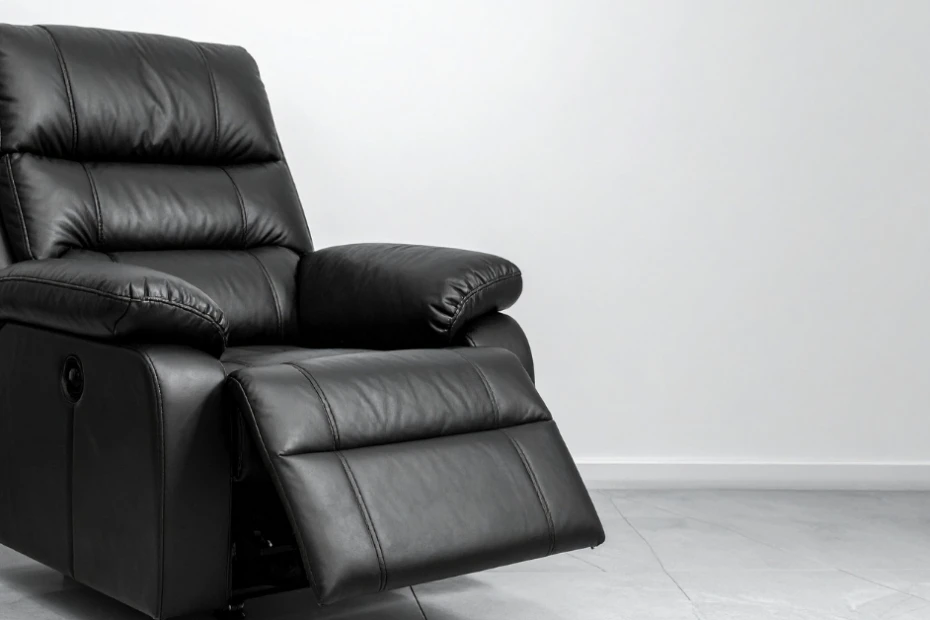

Spending time in a hospital or clinic is rarely pleasant. Patients deal with worry, discomfort, and long waits. The last thing anyone needs is a chair that makes things worse. Yet seating is often overlooked when healthcare facilities are set up. The focus goes to beds, medical equipment, and staff areas. Chairs for patients and visitors get less attention, even though people spend hours sitting in them.
Good hospital chairs make a real difference to the experience of being in a medical facility. They support the body properly during long treatments. They help patients feel more at ease in stressful situations. They allow visitors to stay comfortable while keeping loved ones company. The right seating shows that a facility cares about the people who walk through its doors.
Why Healthcare Seating Is Different
Regular furniture is built for regular use. A chair in someone’s living room might be sat in for an hour or two at a time. It needs to look nice and feel comfortable enough for watching television or reading. But it does not need to handle the demands of a healthcare environment.
Chairs for hospital settings face much tougher conditions. Patients receiving chemotherapy or dialysis may sit for four to six hours at a stretch. Someone recovering from surgery needs a seat that supports healing rather than causing new aches. Elderly patients with limited mobility need something they can get in and out of safely. The seating has to work for all of these situations and more.
Cleanliness is another big factor. In a home, a spill on a chair cushion is annoying but not dangerous. In a hospital, infection control matters greatly. Chairs need to be wiped down between patients. Surfaces must resist bacteria and bodily fluids. Materials that absorb liquids or trap germs have no place in a clinical setting. This is why healthcare furniture is made differently from the chairs found in ordinary stores.
The Role of Recliners in Patient Care
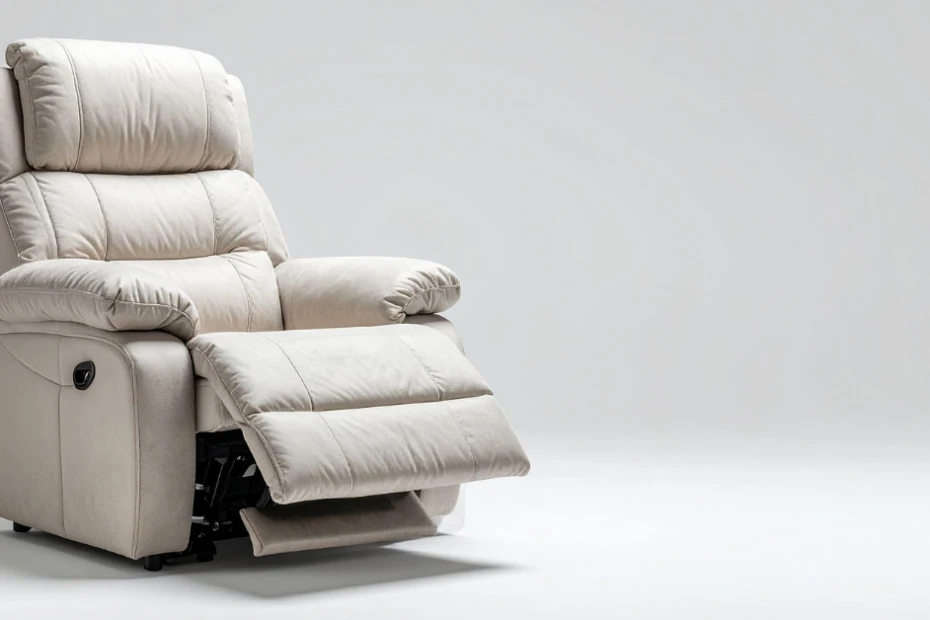
Hospital recliners are used throughout Canadian healthcare facilities. They show up in treatment rooms where patients receive infusions or transfusions. They appear in recovery areas where people rest after procedures. They are found in maternity wards, dialysis centres, oncology units, and emergency departments. Anywhere patients need to sit for extended periods, recliners offer a better option than standard chairs.
The reclining function serves a medical purpose. Raising the legs helps with blood circulation. Leaning back takes pressure off the spine. Different positions can reduce swelling, ease breathing, or make it easier for staff to access IV lines. A patient who can adjust their position is more comfortable and often recovers faster. Hospital recliner chairs give patients some control over their comfort during times when so much else is out of their hands.
Staff benefit from proper patient seating too. A patient who is comfortable is less likely to shift around during treatments. This makes it easier to keep IV lines stable and monitoring equipment in place. Nurses spend less time adjusting positions and more time on actual care. When patients are settled and relaxed, the whole unit runs more smoothly.
Features That Matter in Medical Settings
Not all recliners work well in healthcare. The features that matter at home are different from those needed in a clinic or hospital. Here are some things that make medical recliners suitable for professional use.
Infection control starts with the covering material. Vinyl and similar wipeable surfaces allow staff to clean chairs quickly between patients. Seams should be sealed to prevent fluids from seeping into the padding. Armrests and headrests need the same protection. Some chairs have removable covers that can be laundered or replaced when worn.
Weight capacity matters in healthcare more than in most other settings. Patients come in all sizes. A chair rated for a higher weight ensures safety for larger patients and gives peace of mind to staff. Most medical-grade seating handles at least 150 kilograms, with bariatric options going much higher.
Ease of use affects both patients and caregivers. Medical recliner chairs should recline smoothly without requiring much strength. Controls need to be simple enough for someone who is tired or unwell to operate. Some models have foot pedals or side levers. Others have powered mechanisms that adjust at the push of a button. The best choice depends on the patients who will use them.
Mobility is another consideration. Chairs on wheels can be moved from room to room as needed. Locking casters keep the chair stable once it is in position. This flexibility helps facilities adapt to changing patient numbers without buying extra furniture for every room.
Where These Chairs Are Used
Cancer treatment centres rely heavily on comfortable seating. Chemotherapy sessions can last several hours. Patients often feel weak or nauseated during treatment. A chair that lets them lie back and rest makes the experience more bearable. Many oncology units arrange recliners in rows or semi-private pods where patients can receive treatment in relative comfort.
Dialysis clinics face similar needs. Patients undergoing dialysis spend three to four hours connected to machines several times a week. The right seating turns a gruelling routine into something more manageable. Hospital armchairs with wide seats and supportive armrests help patients stay comfortable throughout their sessions.
Emergency departments use recliners for patients who need monitoring but not a full hospital bed. Someone waiting for test results or recovering from a minor procedure can rest in a recliner without taking up a bed that might be needed for a more serious case. This helps busy emergency rooms manage space efficiently.
Maternity wards often have recliners for new mothers who want to sit up and nurse their babies. The reclining position supports the back during feeding. Partners and family members can use similar chairs to stay overnight without having to sleep sitting straight up in a hard plastic seat.
Long-term care facilities and nursing homes use medical-grade seating throughout common areas and resident rooms. Elderly residents may spend much of their day in a chair rather than in bed. Having something comfortable and supportive improves their quality of life and helps prevent pressure sores.
Choosing the Right Seating
Facility managers and purchasing teams need to think carefully about what their patients and staff actually need. A small clinic with short appointment times has different requirements than a large hospital with overnight stays. Getting the right furniture means asking the right questions.
How long will patients typically sit? Longer sessions call for more cushioning and better lumbar support. Shorter visits might be fine with simpler seating. What kinds of treatments happen in the space? Infusion rooms need chairs with accessible armrests for IV placement. Recovery areas might prioritize the ability to lie nearly flat.
What is the patient population like? Elderly patients benefit from chairs with higher seats that are easier to stand up from. Bariatric patients need wider seats and stronger frames. Pediatric units might want smaller sizes or chairs with safety features for young children.
How will chairs be cleaned? High-traffic areas need furniture that can handle frequent wiping with strong disinfectants. Materials that crack or peel after repeated cleaning will need replacing sooner. Investing in durable coverings saves money over time.
The Patient Experience
Healthcare is about more than just medical procedures. The environment where care happens affects how patients feel about their treatment. Walking into a room with worn-out, uncomfortable chairs sends a message that comfort is not a priority. Seeing clean, well-maintained seating suggests that the facility pays attention to details and cares about patient wellbeing.
Comfort reduces stress. A patient who is physically comfortable can focus on getting better rather than counting the minutes until they can leave the chair. Lower stress levels have real effects on health outcomes. People who feel cared for tend to cooperate better with treatment plans and report higher satisfaction with their care.
Family members and visitors matter too. Someone sitting with a loved one during a long treatment needs decent seating. A spouse who stays overnight in a hospital room needs somewhere to rest. Visitor chairs that are uncomfortable make an already difficult time even harder. Thoughtful seating throughout a facility shows respect for everyone who walks through the door.
Looking After Medical Furniture
Quality seating costs money upfront, but proper care extends its useful life. Regular cleaning with approved disinfectants keeps surfaces sanitary. Checking the reclining mechanisms for smooth operation catches problems before they become serious. Tightening loose bolts and lubricating moving parts prevents wear and tear.
Staff should know how to report damaged furniture. A torn cover or a broken lever should be fixed quickly. Damaged chairs pose infection risks and safety hazards. Having a system for flagging and repairing problems keeps the furniture in good condition and patients safe.
Replacement schedules help facilities plan ahead. Even well-made chairs wear out after years of heavy use. Budgeting for gradual replacement means the facility always has functional seating without sudden large expenses. Tracking which chairs get the most use helps predict which will need replacing first.
A Small Detail That Makes a Big Difference
In the big picture of healthcare, chairs might seem like a minor thing. But for the patient sitting through a four-hour treatment, the chair is their whole world for that time. Getting this detail right shows that a facility thinks about the human side of medicine, not just the clinical side.
Canadian healthcare facilities that invest in proper seating find that patients notice. Staff appreciate working in spaces where patients are comfortable and settled. The small extra cost of good furniture pays back in smoother operations and better patient experiences. When it comes to patient care, comfort is never really a small thing.

































Sign in to leave a comment.