
There is something special about watching a film on a big screen with good sound. The experience draws people in and makes even a regular evening feel like an event. For years, this meant going out to a cinema and paying for tickets, popcorn, and parking. But more and more Canadians are bringing that experience into their own homes. A spare room, a finished basement, or even a section of the living room can become a dedicated space for watching movies with family and friends.
The screen and sound system get a lot of attention when people plan a home movie room. But the seating matters just as much. Sitting in an uncomfortable chair for two hours takes away from the fun. The right cinema seating makes all the difference. It turns a regular room into a place where everyone wants to spend their Friday nights.
Why Seating Matters More Than You Think
A movie can run anywhere from ninety minutes to three hours. That is a long time to sit in one place. Regular furniture like dining chairs or old couches are not built for this kind of use. They lack proper back support. The cushions go flat. There is nowhere to rest tired arms. After half an hour, people start shifting around trying to get comfortable. By the end of the film, backs are sore and legs are stiff.
Cinema chairs are designed with long viewing sessions in mind. They have padding in all the right places. The back supports the spine properly. Armrests are positioned at a comfortable height. Many models recline so viewers can lean back and really settle in. This kind of seating keeps people comfortable from the opening credits to the final scene.
Comfort is not just about feeling good in the moment. It affects how much people enjoy what they are watching. Someone who keeps fidgeting and adjusting their position is not fully paying attention to the screen. Someone who is relaxed and supported can lose themselves in the story. Good seating is part of what makes home movie nights feel like a real treat.
Types of Home Theatre Seating
There are several options when it comes to furnishing a movie room. The choice depends on the size of the space, how many people will use it, and what kind of experience the homeowner wants to create. Each type has its own strengths.
Home theatre chairs are individual seats that give each person their own space. They work well in rooms where people want that authentic cinema feel. Each chair has its own armrests and cup holders. Nobody has to share. These chairs often come in rows of two, three, or four that can be arranged to fit the room. Some have power recline functions operated by a button on the armrest.
For families who like to sit close together, home theatre couches offer a different feel. These are larger pieces that seat multiple people on a shared cushion. Kids can curl up next to parents. Couples can sit side by side without an armrest in between. The couch style feels more casual and works well for movie nights that turn into sleepovers or lazy Sunday afternoons.
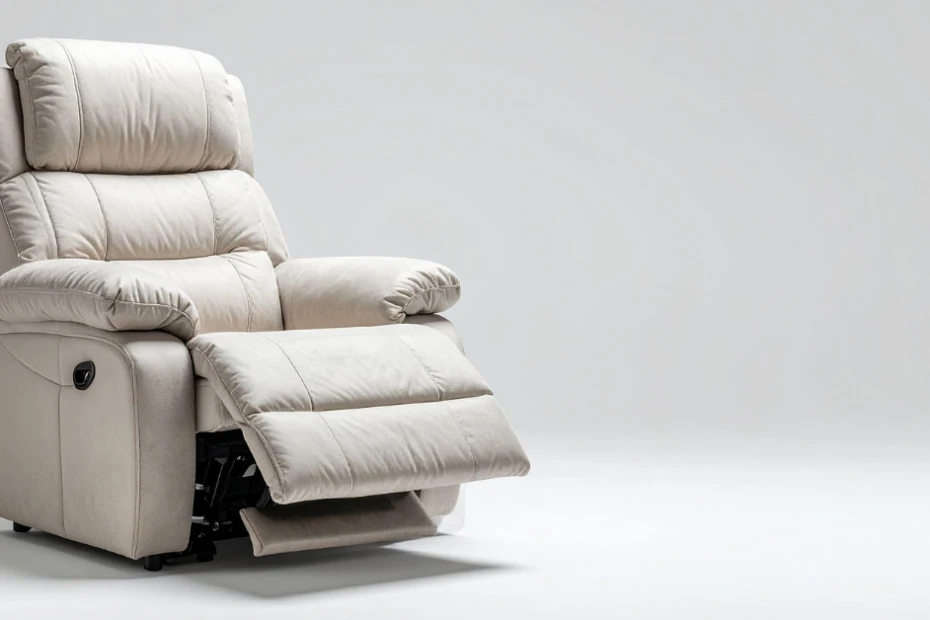
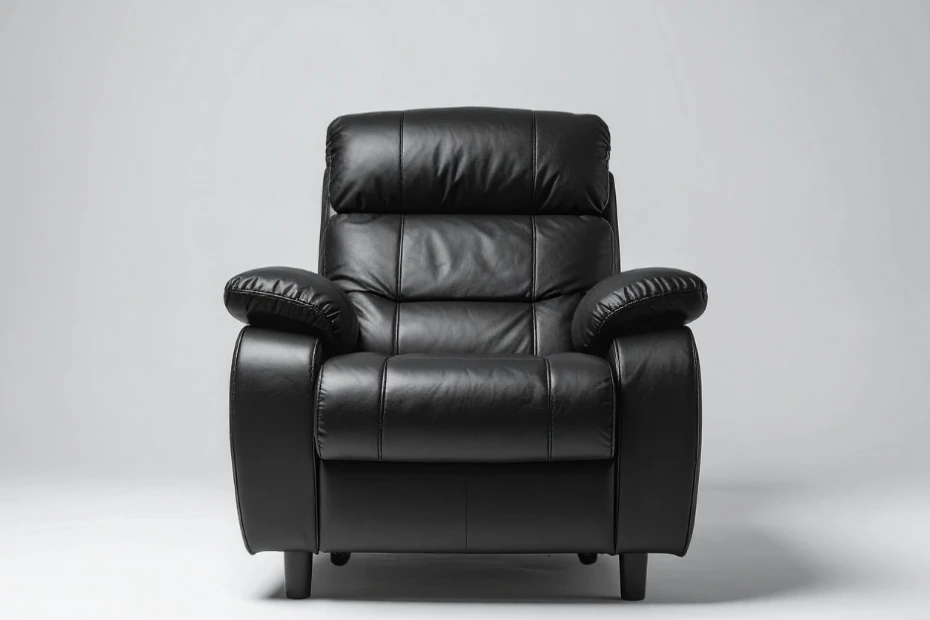
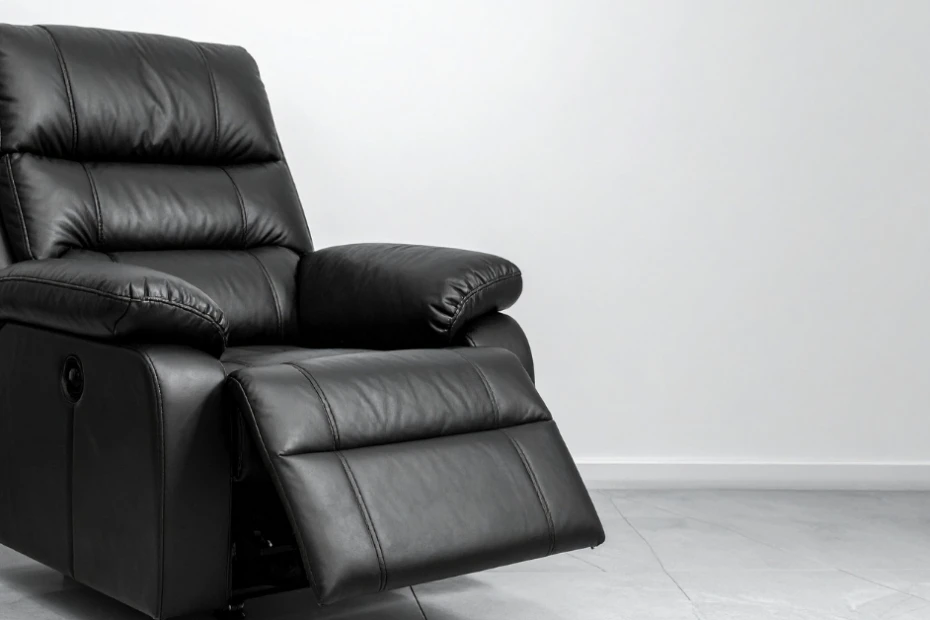
Cinema recliners take comfort up a notch. These seats lean back at the touch of a lever or button. The footrest rises to support the legs. Some models recline almost flat, which is great for marathon viewing sessions or for anyone who might doze off during a late-night film. The reclining feature also helps people with back or leg problems find a position that does not cause pain.
Creating the Right Atmosphere
The seating is part of a bigger picture. A home movie room works best when everything comes together to create the right mood. Dark walls or curtains help keep light from bouncing around. Soft carpet or rugs absorb sound and make the room quieter. Dimmable lights let viewers adjust the brightness without getting up.
Theatre style seating arranged in rows gives the room a proper cinema layout. The front row sits closest to the screen. The back row is raised on a platform so everyone has a clear view. This tiered setup works well in larger basements where there is room to build risers. Even a small step up of six or eight inches makes a big difference to sightlines.
Cup holders built into the armrests keep drinks close at hand without the risk of spills on the floor. Some home cinema chairs have storage compartments in the armrests for remotes, glasses, or snacks. These small features add up to a more enjoyable experience. Nobody has to pause the movie to hunt for the remote or get up to grab a drink from the kitchen.
Choosing Between Individual Seats and Sofas
The decision between chairs and sofas often comes down to how the room will be used. A dedicated home theatre that is mainly for watching films might suit individual seats better. Each person gets their own defined space. The look is more polished and intentional. Guests who come over for movie parties will feel like they are in a real cinema.
A room that serves multiple purposes might work better with home cinema sofas. When the screen is off, the sofa can be used for reading, napping, or just hanging out. It does not look out of place if the room is also a family room or a guest bedroom. Sofas tend to be easier to rearrange if the layout needs to change.
Some homeowners mix both options. They put a row of movie cinema chairs at the back where adults can sit, and a cinema room sofa at the front for kids to spread out. This combination gives flexibility and caters to different preferences within the same household.
Practical Things to Think About
Before buying any seating, measure the room carefully. Write down the length and width. Note where doors open and where electrical outlets are located. This information helps when deciding how many seats will fit and where they should go. Leaving enough space to walk around without bumping into furniture is important.
Think about the viewing distance from the screen. Sitting too close can cause eye strain. Sitting too far back means missing detail on the screen. A general rule is to sit at a distance of about one and a half to two times the diagonal size of the screen. So a 100-inch screen works best with seating about 12 to 16 feet away.
Power recliners need access to electrical outlets. If the seats will go in the middle of the room, this might mean running cables under the floor or using extension cords discreetly. Manual recliners do not have this issue but require more effort to adjust. Both types have their place depending on the setup.
Home cinema seating comes in different materials. Leather is easy to clean and ages well. It feels cool in summer and warms up quickly in winter. Fabric options offer more colour choices and can feel softer against the skin. Families with young children might prefer materials that can be wiped clean after spills.
Setting Up for Canadian Homes
Canadian winters mean spending more time indoors. A home movie room becomes even more valuable when the weather outside is cold and snowy. Families gather around the screen instead of going out. Friends come over for movie marathons instead of meeting at a bar. The room becomes a social hub during the months when outdoor activities are limited.
Basements are popular spots for home theatres in Canadian houses. They stay cool in summer and are naturally dark, which is perfect for watching films. The concrete walls and floors help with sound isolation so the rest of the house is not disturbed. Installing home cinema couches or chairs in a finished basement is a common project for homeowners who want to add value and enjoyment to their property.
Getting furniture delivered in winter can be tricky. Snow and ice make moving heavy items more difficult. Planning the purchase for spring or fall makes the delivery process smoother. If winter delivery is unavoidable, make sure there is a clear path from the truck to the house and that the furniture is protected from moisture.
Making It Your Own
A home movie room should reflect the tastes of the people who use it. Some families go for a classic look with dark colours and old Hollywood posters on the walls. Others prefer a modern style with clean lines and minimal decoration. The seating should match the overall feel of the room.
Movie theatre seats for home use come in various colours and finishes. Black and brown are popular for a traditional cinema look. Grey and navy blue suit more contemporary spaces. Some manufacturers offer custom colours for buyers who want something specific. Matching the seats to the room decor creates a pulled-together appearance.
Personal touches make the space feel special. A popcorn machine in the corner adds to the cinema atmosphere. Framed movie posters bring colour to the walls. Soft throw blankets draped over a home theatre sofa couch invite people to get cosy. These details turn a functional room into a favourite spot in the house.
Worth the Investment
Setting up a home movie room costs money upfront. The screen, projector or television, sound system, and seating all add up. But the return comes in years of entertainment without leaving the house. No more paying for cinema tickets. No more expensive concession snacks. No more driving across town and looking for parking.
Families save money over time while enjoying better comfort than any public cinema can offer. The ability to pause for bathroom breaks, control the temperature, and choose exactly what to watch adds to the appeal. For anyone who loves films, having a dedicated space at home just makes sense.
Good quality seating lasts for many years with proper care. Investing in well-made chairs or sofas means not having to replace them any time soon. The comfort and style will remain long after the initial cost is forgotten. That is the kind of purchase that pays for itself over and over again.
































Sign in to leave a comment.