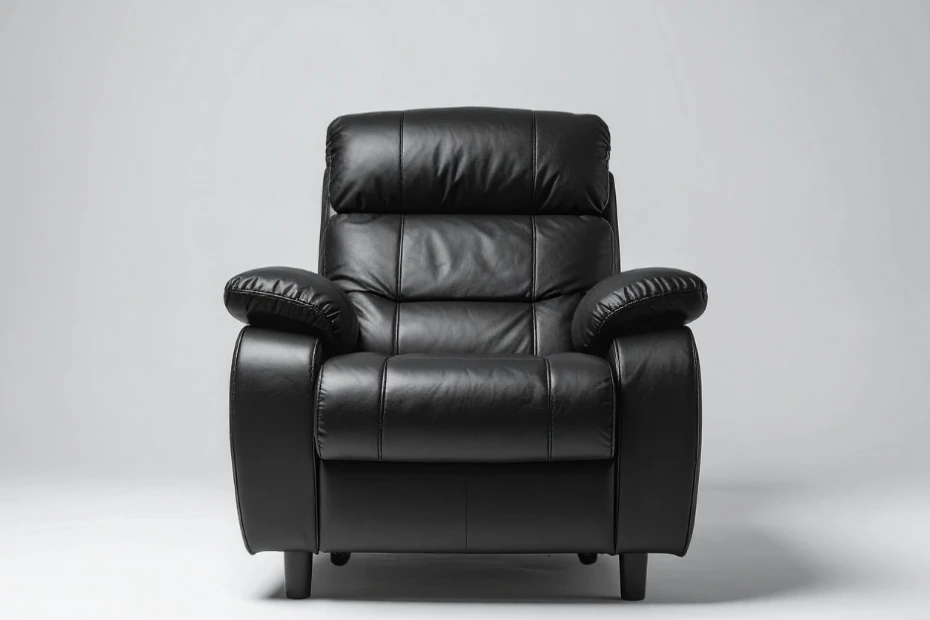

Buying furniture for a home is one of those things that can quickly eat into savings. A couch here, a dining table there, and suddenly the budget is stretched thin. Many people assume that quality furniture has to come with a high price tag. But that is not always true. There are places where good furniture is sold at lower prices, and knowing where to look can make a real difference to the wallet.
A furniture factory shop is one such place. These shops sell furniture directly from the maker to the buyer. There is no middleman adding extra costs. The pieces on the floor are often the same as those in fancy retail stores, just without the markup. For families trying to furnish a house on a budget, this kind of shopping makes sense.
Why Factory Shops Are Different
Regular furniture stores have to cover many costs. They pay for prime retail space in shopping centres. They spend money on fancy displays and advertising. They hire sales staff who work on commission. All of these costs get added to the price of every item they sell. By the time a couch reaches the showroom floor, it may cost double what it cost to make.
A furniture factory outlet works differently. The shop is usually attached to or near the actual factory where the furniture is made. Overheads are lower. There is no need for expensive mall rent. The focus is on moving stock rather than creating a polished shopping experience. This means the savings go straight to the buyer.
Some factory outlets sell items that did not pass quality control for tiny reasons. A stitch might be slightly off, or a cushion cover might have a small mark that will come out in the wash. These pieces are perfectly good for everyday use but are sold at reduced prices. Other items are end-of-line stock or samples that were used in showrooms. All of these options give buyers a chance to get quality furniture for less.
Shopping in Johannesburg
Johannesburg is a big city with plenty of options for furniture buyers. The industrial areas around the city are home to many manufacturers who make sofas, beds, tables, and chairs. Some of these makers have opened their doors to the public, allowing people to buy directly from the source.
A furniture factory shop in Johannesburg can be a great find for anyone setting up a new home or upgrading their current furniture. Young couples moving into their first place often find that their budget does not stretch as far as they hoped. Students renting a flat need basic pieces without spending a fortune. Families with growing children need durable items that can handle daily wear and tear. All of these buyers benefit from lower factory prices.
Visiting a furniture factory outlet in Johannesburg is different from walking into a regular store. The setting may be more basic. There might be concrete floors instead of carpet. The lighting may be functional rather than fancy. But none of that matters when the goal is to find solid furniture at a fair price. What counts is the quality of the pieces and the savings on offer.
What to Expect When You Get There
First-time buyers sometimes feel unsure about what to expect at a factory shop. The experience is usually quite straightforward. Most outlets have a showroom area where finished pieces are displayed. Buyers can walk around, sit on sofas, open drawers, and test the comfort of chairs. Staff are usually available to answer questions about materials, sizes, and delivery options.
A Johannesburg furniture factory shop may have a smaller selection than a large retail chain, but the items on display are often better value. Some shops allow buyers to order custom pieces in different colours or fabrics. This means getting exactly what is needed for a particular room without paying designer prices.
Payment options vary from place to place. Some outlets offer lay-by plans where buyers can pay off an item over a few months before taking it home. Others have cash specials that bring prices down even further. It pays to ask about any deals that might be running, especially at month-end or during holiday sales periods.
Knowing What to Look For
Not all furniture is made the same way. Some pieces look good in the shop but start falling apart after a few months of use. Learning to spot quality can save a lot of trouble down the line. Here are a few things to check when shopping for furniture.
For sofas and chairs, sit down and feel how the cushions respond. Good quality foam bounces back after pressure. Cheap foam stays dented. Check the frame by lifting one corner of the sofa. It should feel solid, not wobbly. Look underneath if possible. A frame made from hardwood or properly dried timber will last longer than one made from cheap pine or particle board.
For tables and cabinets, open and close the drawers. They should slide smoothly without sticking. Check that doors hang straight and close properly. Run a hand along the surfaces to feel for rough spots or uneven finishes. Legs should sit flat on the floor without rocking.
Buying from a Johannesburg furniture factory outlet often means getting pieces made by skilled workers who take their craft seriously. Many local makers have years of experience and know how to build furniture that lasts. Asking staff about the materials used and how the pieces are put together can give useful insight into what is worth buying.
Making the Trip Worthwhile
A trip to a factory outlet works best with some planning. Before heading out, measure the space where the new furniture will go. Write down the dimensions and bring a tape measure along. There is nothing worse than finding the perfect sofa only to get it home and realise it does not fit through the door or takes up too much floor space.
Think about colour schemes and the style of the room. Take photos of the space on a phone to refer to when looking at options. This makes it easier to picture how a piece will look once it is in place. Some factory shops have samples of fabric and leather that can be taken home to check against existing decor.
Ask about delivery before making a purchase. Some outlets include delivery in the price, which adds extra value. Others charge separately based on distance. If the outlet is close by and the item is small enough, picking it up in person can save money. For larger pieces like beds or dining sets, delivery is usually the only practical option.
Who Benefits Most From Factory Shopping
Different people have different reasons for choosing factory outlets over regular stores. First-time home buyers are often working with tight budgets. They need to furnish an entire house from scratch, and every rand counts. Getting the same quality at lower prices means the budget stretches further.
Landlords and property investors often buy furniture for rental units. They need pieces that are sturdy enough to handle tenants coming and going. Paying full retail prices for furniture that will see heavy use does not make financial sense. Factory prices allow them to kit out multiple properties without overspending.
Small business owners sometimes need furniture for offices, waiting rooms, or staff areas. Buying from a factory outlet can cut costs significantly compared to going through commercial furniture suppliers. The savings can be put towards other parts of the business.
Families replacing worn-out furniture also benefit. After years of use, sofas and mattresses lose their shape and support. Replacing them with fresh pieces from a factory shop means getting quality items without the guilt of overspending. Children and pets are hard on furniture, so being able to replace things affordably makes life easier.
Common Questions People Ask
Some buyers worry that lower prices mean lower quality. This is not necessarily the case. Many factory outlets sell the exact same items found in high-street stores. The difference is in the shopping experience and the lack of retail markup. A sofa made in a factory is the same sofa whether it is sold in a fancy mall or in a warehouse.
Others wonder if they can return items if something goes wrong. Most reputable outlets have return policies and warranties. It is always worth asking about this before buying. Keep receipts and any paperwork that comes with the purchase. If a problem arises, having documentation makes sorting it out much easier.
Some people ask whether it is possible to see how the furniture is made. Many factory outlets are happy to show buyers around the workshop or production floor. Seeing the craftsmanship firsthand can give confidence in the quality of the pieces. It is a chance to meet the people who make the furniture and understand the care that goes into each item.
Getting Started
For anyone thinking about updating their home without spending too much, factory shopping is worth a look. The range of options available, the quality of the pieces, and the prices on offer all make it a practical choice. Whether furnishing a first flat, upgrading a family home, or fitting out a rental property, buying direct from the maker makes sense.
Take the time to visit a few places and compare what is on offer. Sit on the sofas, open the cupboards, and feel the materials. Ask questions and take notes. The right piece of furniture at the right price is out there waiting. It just takes a bit of looking to find it.
Good furniture makes a house feel like a home. It is where families gather, where friends share meals, and where people relax after long days. Getting quality pieces at fair prices means enjoying all of this without the stress of overspending. That is what smart shopping is all about.





























Sign in to leave a comment.