

Accidents happen. A container tips over. A hose comes loose. A drum gets punctured during transport. Within seconds, liquid is spreading across the floor, and everyone nearby is scrambling to figure out what to do. These moments can be stressful, but they do not have to turn into disasters. Being prepared makes all the difference between a minor cleanup and a major incident.
Workplaces that handle oils, chemicals, fuels, or other liquids need a plan for when things go wrong. Part of that plan is having the right equipment ready to go. Spill kits are designed for exactly this purpose. They contain everything needed to contain and clean up a spill quickly, before it spreads further or causes harm to people or the environment.
What Goes Into a Spill Kit
A typical spill kit comes packed with absorbent materials and protective gear. The exact contents vary depending on what type of liquid the kit is designed to handle, but most include similar basic items.
Absorbent pads and mats soak up liquid from flat surfaces. They work like sponges, pulling the spilled material into the pad where it stays trapped. Socks or booms are long tubes filled with absorbent material. These get placed around the edge of a spill to stop it from spreading. They act as barriers that contain the liquid in one area.
Loose absorbent granules or powder can be scattered over a spill to soak up liquid in hard-to-reach spots or uneven surfaces. Once the granules have done their job, they get swept up and disposed of properly. Some kits include pillows filled with absorbent material for larger spills or pooled liquids.
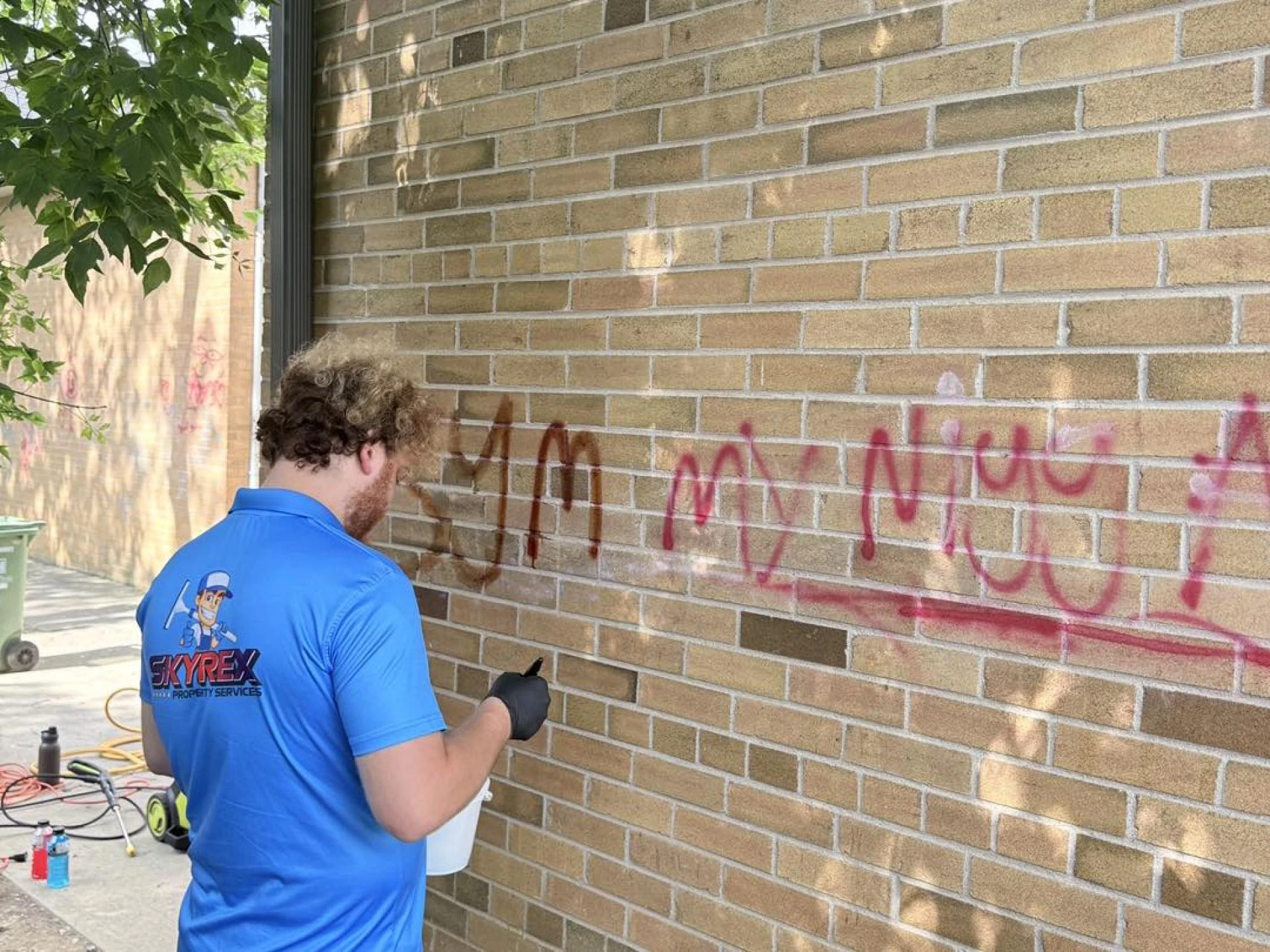
Personal protective equipment is usually part of the package too. Gloves protect hands from contact with hazardous substances. Goggles shield eyes from splashes. Some kits include coveralls or aprons for full body protection. The idea is that whoever responds to the spill has everything they need right there in one container.
Disposal bags are included for collecting the used absorbents. These bags are often colour-coded or labelled to show that they contain contaminated waste. Proper disposal matters because the absorbed liquid still needs to be handled according to regulations.
Different Types for Different Liquids
Not all spills are the same, and not all absorbents work on every liquid. A spillage kit designed for oil will not be the best choice for a chemical spill. Matching the kit to the liquids present in the workplace is important for effective response.
Oil-only kits are made for petroleum-based liquids like engine oil, diesel, hydraulic fluid, and similar substances. The absorbents in these kits repel water, which makes them useful for outdoor spills where rain or puddles might be present. They soak up the oil but leave the water behind. This selectivity is helpful in workshops, petrol stations, and transport yards.
General purpose kits handle a wider range of liquids including water-based substances, coolants, solvents, and mild chemicals. The absorbents in these kits soak up any liquid they contact. They are a good all-round option for workplaces where different types of spills might occur.
Chemical or hazmat kits are built for aggressive substances like acids, bases, and other corrosive or reactive liquids. The materials used in these kits can withstand contact with harsh chemicals without breaking down. The protective equipment included is usually more heavy-duty to keep responders safe from dangerous fumes or burns.
Where to Keep Them
Having a spill response kit is only useful if people can get to it quickly. Storing the kit in a back room or locked cupboard defeats the purpose. When a spill happens, every minute counts. The liquid keeps spreading, the risk of someone slipping increases, and if the substance is hazardous, exposure time matters.
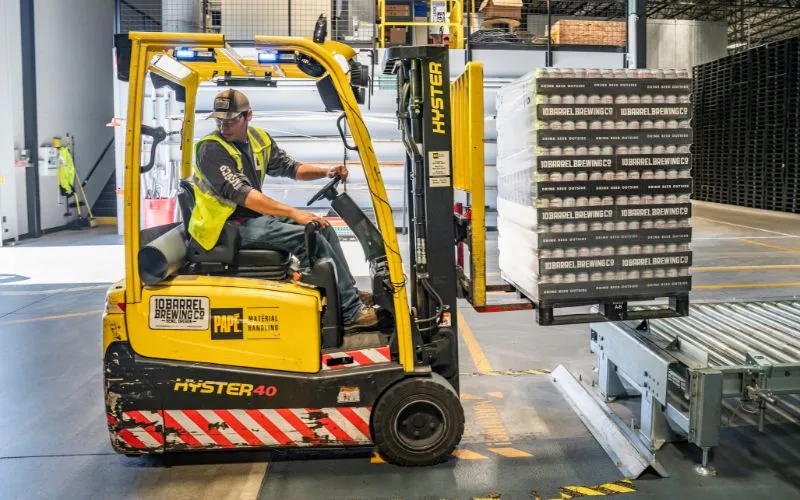
The best practice is to keep kits near the areas where spills are most likely to happen. In a workshop, that might be near the oil storage area or the vehicle service bays. In a warehouse, kits should be positioned near chemical storage racks or loading docks. Manufacturing plants might need kits at multiple points along the production line.
Bright colours and clear signage help people find kits in a hurry. Many kits come in yellow or red containers that stand out against typical workplace backgrounds. Wall-mounted holders keep bins off the floor and visible. Floor markings can indicate the location so that everyone knows where to go when something spills.
Mobile kits on wheels or carts work well in large facilities where a spill could happen anywhere. Instead of running back to a fixed location, responders can wheel the kit directly to the scene. This saves time and gets the cleanup started faster.
Training Makes the Difference
Equipment sitting in a corner does no good if nobody knows how to use it. Staff need to understand what is in the kit, how each item works, and what steps to follow during a spill response. This knowledge should be part of regular workplace safety training.
The basics are straightforward. First, assess the situation. What spilled? How much? Is it spreading toward drains, electrical equipment, or other hazards? Next, put on protective gear before touching anything. Then use the absorbents to contain the spill by placing booms or socks around the edges. Once contained, work inward with pads and granules to soak up the liquid. Finally, collect all used materials in the disposal bags and arrange for proper waste removal.
Practice drills help people react confidently when a real spill occurs. Going through the motions in a calm training environment builds muscle memory. When stress levels rise during an actual incident, that familiarity kicks in and people know what to do without having to stop and think.
Knowing when not to respond is just as important. Large spills of highly hazardous materials may require specialist teams. Workers should understand the limits of what they can safely handle themselves and when to call for outside help. Trying to clean up something beyond their training puts them at risk.
Checking and Restocking
A kit that has been used needs refilling before it can help with the next spill. After every incident, someone should check what was used and order replacement supplies. Waiting until another spill happens to realise the kit is half empty creates unnecessary problems.
Regular inspections catch other issues too. Absorbent materials can degrade over time if exposed to moisture or extreme temperatures. Containers can crack or become difficult to open. Protective equipment like gloves can deteriorate and lose their effectiveness. A monthly or quarterly check ensures everything is in good condition and ready to use.
Keeping a checklist for each kit makes inspections quick and consistent. The list shows what should be inside, and the inspector ticks off each item as they verify it is present and in good condition. Any shortages or damaged items get flagged for replacement immediately.
Legal and Environmental Reasons
Regulations in South Africa require workplaces to be prepared for spills, particularly those handling hazardous substances. The Occupational Health and Safety Act and various environmental laws set out responsibilities for preventing pollution and protecting workers. Having proper response equipment is part of meeting these obligations.
Fines for environmental contamination can be steep. If a spill reaches a storm drain and pollutes a river or groundwater, the business responsible may face prosecution and cleanup costs that far exceed the price of prevention. Insurance claims can be affected too if investigators find that the workplace lacked basic preparedness.
The reputational damage from a pollution incident can hurt a business for years. Customers and clients care about environmental responsibility. A company known for causing contamination may lose contracts or struggle to attract new business. Investing in proper spill response is not just about following rules. It protects the business itself.
A Small Investment for Big Protection
The cost of a response kit is small compared to the potential costs of an uncontrolled spill. Cleanup contractors charge significant fees for emergency callouts. Environmental remediation can run into hundreds of thousands of rands. Worker injuries from slips or chemical exposure bring their own costs in medical bills, lost time, and compensation claims.
Having the right equipment on hand, keeping it maintained, and making sure staff know how to use it transforms spill response from a crisis into a manageable situation. The few minutes it takes to contain and clean up a spill properly can prevent hours or days of dealing with consequences.
Every workplace that handles liquids should take this seriously. Whether it is a small workshop with a few litres of oil or a large facility storing drums of chemicals, the principle is the same. Prepare now so that when something spills, the response is quick, safe, and effective.


























Sign in to leave a comment.